
Yuan Climbs to 34-Month High as Corporate Demand
Yuan Strengthens on Corporate FX Flows
China’s yuan advanced to its strongest level in 34 months, supported by firm corporate foreign exchange demand and improving onshore liquidity conditions. The appreciation reflects increased conversion flows from exporters and corporate treasury adjustments.
Stronger corporate inflows can exert upward pressure on the currency, particularly when seasonal settlement activity intensifies.
Corporate Demand as a Key Driver
The rise in the yuan appears linked to:
- Exporters converting foreign currency earnings
- Corporates increasing yuan holdings
- Reduced outbound capital pressure
- Stabilising trade balances
When exporters convert US dollar revenues into yuan, spot demand increases, contributing to currency appreciation.
Policy Backdrop and Central Bank Management
China’s currency regime remains managed within a reference band framework overseen by the People’s Bank of China.
Authorities typically balance:
- Exchange rate stability
- Export competitiveness
- Capital account dynamics
- Financial system liquidity
The recent move suggests authorities are comfortable with moderate currency strength under current conditions.
Interest Rate and Yield Differentials
Currency performance remains sensitive to relative interest rate dynamics between China and major developed markets.
Key considerations include:
- Domestic monetary policy stance
- US-China yield spreads
- Offshore yuan liquidity
- Portfolio investment flows
A narrowing negative yield differential can support currency stability.
Regional FX Implications
A stronger yuan can influence broader Asia-Pacific currency performance, as:
- It reduces competitive devaluation pressure
- Supports regional trade pricing stability
- Encourages emerging market inflows
However, sustained appreciation could impact export margins if not aligned with productivity gains.
Market Interpretation
Markets may view the 34-month high as:
- Evidence of stabilising capital flows
- A sign of improved external balance dynamics
- Tactical strength rather than structural trend reversal
Volatility remains relatively contained, indicating orderly market functioning.
IFCCI Assessment: Flow-Driven Strength, Policy Stability Maintained
The IFCCI Research Division assesses that the yuan’s appreciation primarily reflects corporate flow dynamics rather than speculative inflows.
Key observations:
- Export conversion demand is supportive
- Policy authorities remain active in managing stability
- Structural capital controls continue to moderate volatility
Sustained appreciation would likely depend on broader macro improvement and external demand resilience.
Conclusion
China’s yuan has reached a 34-month high amid robust corporate demand and stable foreign exchange flows. While the move underscores improved sentiment and liquidity conditions, the longer-term trajectory will depend on growth dynamics, policy management, and global rate differentials.
Currency markets remain attentive to both domestic fundamentals and external monetary policy developments.
Related Articles

What Does IFCCI Do? Advancing Financial Education, Certification and Research
7 Aug 2026
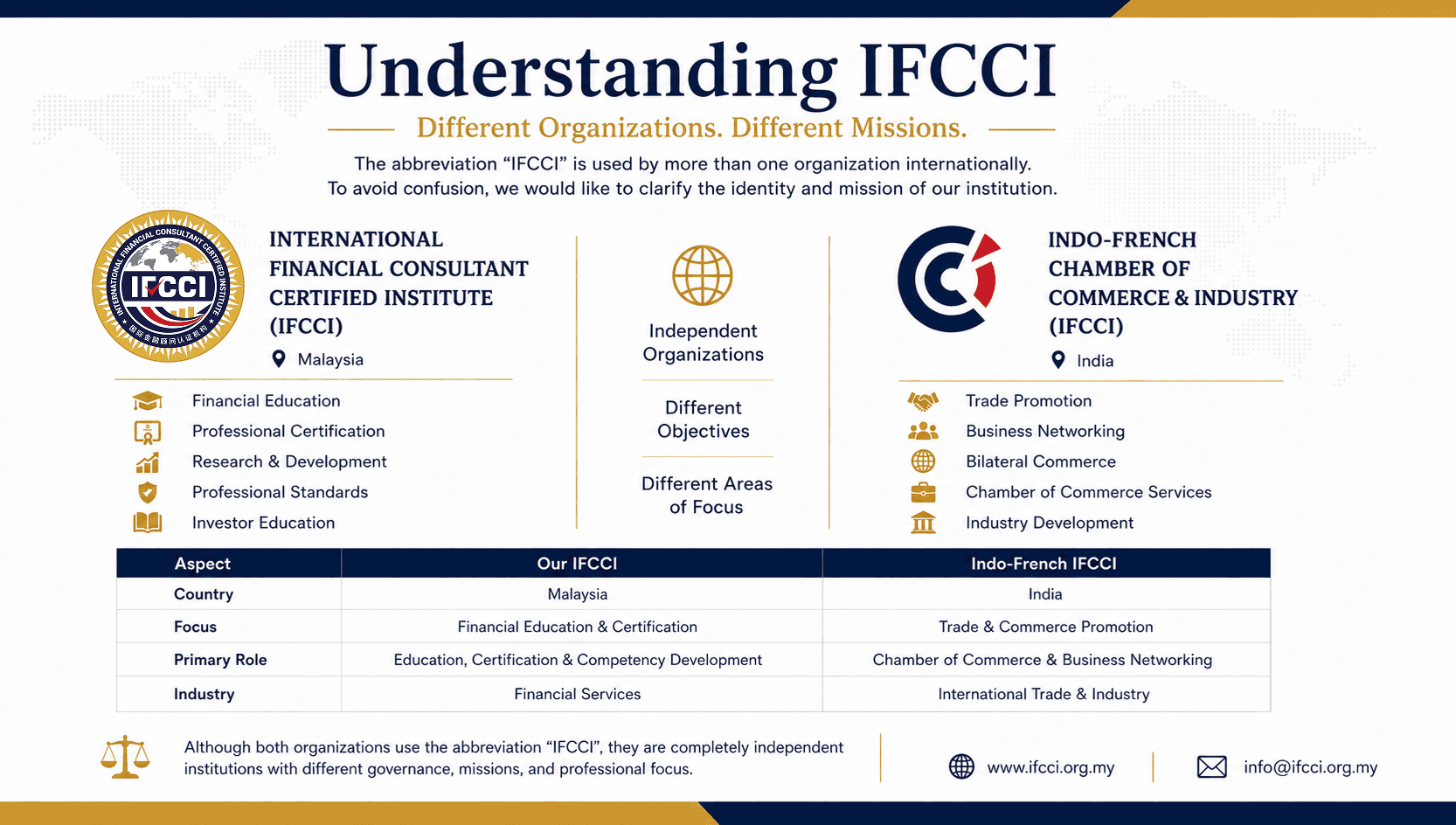
Understanding IFCCI: International Financial Consultant Certified Institute and Other Organizations Using the IFCCI Acronym
27 Jul 2026

Why International Financial Skills Championships Matter in Developing Global Financial Excellence
13 Jul 2026