
U.S. Considerations on Iran Oil Seizure Heighten Geopolitical and Energy Market Risks
A recent report indicates that former President Donald Trump is reportedly considering the seizure of Iranian oil, a development that emerges as a deadline for the nuclear deal approaches and U.S.-Iran discussions continue. This potential move carries significant implications, particularly for the Strait of Hormuz, a vital maritime chokepoint, and for the stability of global energy markets.
The discussions around such a drastic measure underscore the persistent tensions between the United States and Iran. While the specific details of the ongoing U.S.-Iran talks remain under wraps, the prospect of the U.S. taking control of Iranian oil assets introduces a new layer of complexity to an already delicate geopolitical situation. The Strait of Hormuz, through which a substantial portion of the world’s seaborne oil passes, is inherently sensitive to any escalation of regional tensions. Any action perceived as aggressive in this area could disrupt shipping lanes, potentially leading to supply chain interruptions and a ripple effect across international trade.
For global energy markets, the implications are particularly acute. Iran is a significant oil producer, and any move to seize its oil could lead to a reduction in global supply, or at least create uncertainty regarding future supply. Such uncertainty typically translates into increased volatility in crude oil prices. Traders and analysts would closely monitor developments, assessing the likelihood of actual seizures, the potential for retaliatory actions, and the broader impact on the balance of supply and demand. The report highlights the potential for heightened risk premiums in oil prices, reflecting the increased geopolitical risk.
The context of a looming deadline for the nuclear deal further complicates the scenario. The future of the nuclear agreement, which has been a cornerstone of international efforts to manage Iran’s nuclear program, is intertwined with the broader U.S.-Iran relationship. A decision to seize oil could be seen as a significant escalation, potentially jeopardizing diplomatic efforts and increasing the chances of a more confrontational stance from all parties involved.
Market participants are likely to factor these developments into their risk assessments. Energy companies, shipping firms, and international investors would need to evaluate the potential for increased operational costs, insurance premiums, and market instability. The report serves as a reminder of how geopolitical considerations can directly influence commodity markets and broader economic sentiment. The situation remains fluid, with ongoing talks and the approaching deadline for the nuclear deal setting the stage for potential shifts in international relations and energy market dynamics.
Related Articles

What Does IFCCI Do? Advancing Financial Education, Certification and Research
7 Aug 2026
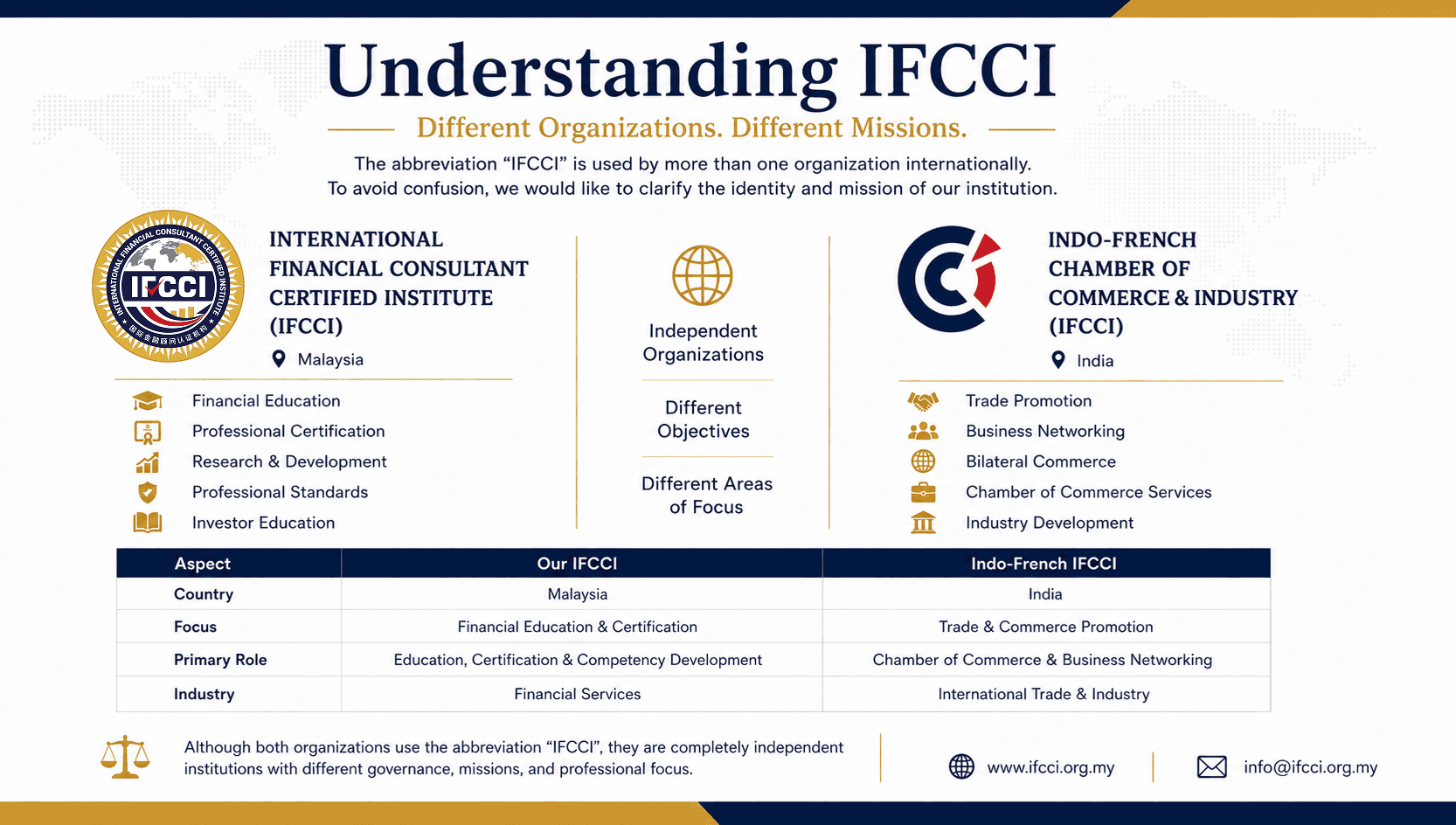
Understanding IFCCI: International Financial Consultant Certified Institute and Other Organizations Using the IFCCI Acronym
27 Jul 2026

Why International Financial Skills Championships Matter in Developing Global Financial Excellence
13 Jul 2026