Best Forex Trading: Professional Standards & Practices
Understanding Professional Forex Trading Standards
The concept of 'best forex' encompasses far more than superficial metrics or marketing claims. From an institutional perspective, excellence in forex trading is measured through adherence to professional standards, risk management protocols, and sustainable performance metrics rather than headline returns or promotional offers.
Professional forex trading excellence requires systematic approach to market analysis, disciplined execution, and continuous education aligned with recognized industry standards. The International Financial Consultant Certified Institute (IFCCI) has observed through its certification programs that successful forex practitioners consistently demonstrate specific competencies that distinguish them from retail participants.
Core Components of Professional Forex Excellence
Market Analysis Proficiency
Professional-grade forex analysis integrates multiple analytical frameworks rather than relying on single indicators or methodologies. Technical analysis must be combined with fundamental economic assessment, geopolitical risk evaluation, and central bank policy analysis to form comprehensive market views.
Successful forex professionals demonstrate proficiency in:
- Multi-timeframe technical analysis with proper risk-reward assessment
- Economic calendar interpretation and impact forecasting
- Currency correlation analysis and portfolio construction
- Market microstructure understanding and execution optimization
Risk Management Protocols
Excellence in forex trading is fundamentally defined by risk management capabilities rather than profit generation alone. Professional standards require systematic position sizing, portfolio-level risk controls, and scenario-based stress testing.
Key risk management components include:
- Position sizing based on account equity and volatility measures
- Stop-loss implementation with technical and fundamental justification
- Correlation-adjusted exposure limits across currency pairs
- Drawdown management and capital preservation strategies
Institutional Quality Execution Standards
Platform Selection Criteria
Professional forex execution requires platforms that meet institutional-grade standards for reliability, transparency, and regulatory compliance. The IFCCI's platform transparency research through IPTI (Institutional Platform Transparency Initiative) evaluates execution venues based on objective criteria rather than marketing presentations.
Critical evaluation factors include:
- Regulatory authorization and compliance frameworks
- Order execution transparency and slippage metrics
- Liquidity provider diversity and depth of market access
- Technology infrastructure stability and disaster recovery capabilities
Regulatory Compliance Framework
Professional forex trading operates within comprehensive regulatory frameworks designed to protect market integrity and participant interests. Excellence requires understanding and adherence to applicable regulations across multiple jurisdictions.
Essential compliance elements encompass:
- Know Your Customer (KYC) and Anti-Money Laundering (AML) requirements
- Position reporting and disclosure obligations
- Leverage limitations and margin requirements by jurisdiction
- Consumer protection measures and dispute resolution mechanisms
Educational Foundation and Professional Development
Structured Learning Pathways
Professional excellence in forex trading requires systematic education rather than ad-hoc learning from online resources. Structured learning pathways ensure comprehensive coverage of essential competencies and progressive skill development.
The IFCCI's Certified Financial Trader (CFT) certification program exemplifies this approach through progressive classification levels (Class C through A+) that correspond to demonstrated competency in:
- Market theory and economic principles
- Technical and fundamental analysis methodologies
- Risk management and portfolio construction
- Regulatory compliance and professional ethics
Continuous Professional Development
Market conditions, regulatory environments, and technological capabilities evolve continuously, requiring ongoing professional development to maintain excellence standards. Professional practitioners engage in systematic continuing education rather than relying solely on practical experience.
Effective development programs include:
- Regular assessment of analytical and execution capabilities
- Participation in professional trading competitions like IFCCI's IFTC (International Forex Trading Championship)
- Engagement with professional communities and industry research
- Formal certification maintenance and advancement
Performance Measurement and Evaluation
Beyond Profit and Loss Metrics
Professional performance evaluation in forex trading extends beyond simple profit and loss calculations to encompass risk-adjusted returns, consistency metrics, and qualitative assessment of decision-making processes.
Comprehensive performance metrics include:
- Risk-adjusted return measures such as Sharpe and Sortino ratios
- Maximum drawdown analysis and recovery characteristics
- Win rate and average win/loss ratio assessment
- Correlation with market benchmarks and peer comparison
Qualitative Assessment Frameworks
Professional trading excellence requires qualitative evaluation of trading processes, decision-making frameworks, and adherence to predefined strategies rather than focusing exclusively on quantitative outcomes.
Key qualitative factors encompass:
- Consistency in applying analytical frameworks and risk management rules
- Ability to maintain discipline during adverse market conditions
- Adaptation capability in response to changing market environments
- Documentation quality and trade justification processes
Technology and Infrastructure Considerations
Professional-Grade Technology Requirements
Excellence in forex trading requires technology infrastructure that supports professional-level analysis, execution, and risk management rather than basic retail platforms designed for casual trading.
Essential technology components include:
- Advanced charting capabilities with comprehensive indicator libraries
- Real-time news feed integration and economic calendar systems
- Portfolio-level risk monitoring and position management tools
- Backup connectivity and disaster recovery procedures
Data Quality and Analysis Capabilities
Professional forex analysis depends on high-quality market data, economic statistics, and research resources that support informed decision-making processes.
Critical data requirements encompass:
- Real-time pricing with minimal latency and high accuracy
- Historical data depth for backtesting and strategy development
- Economic research and central bank communication analysis
- Market sentiment and positioning data for contrarian analysis
Building Professional Competency
Systematic Skill Development
Professional competency in forex trading develops through systematic practice, formal education, and mentorship rather than trial-and-error learning approaches that characterize retail participation.
Effective skill development requires:
- Structured curriculum covering theoretical foundations and practical application
- Supervised trading experience with qualified mentorship
- Regular performance review and corrective feedback
- Professional networking and peer learning opportunities
Certification and Professional Recognition
Professional credentials provide objective validation of competency levels and demonstrate commitment to excellence standards within the forex trading community.
Certification benefits include:
- Standardized competency assessment across multiple skill areas
- Professional recognition within institutional and retail sectors
- Continuing education requirements that ensure current knowledge
- Ethical standards and professional conduct expectations
Frequently Asked Questions
What defines the 'best' approach to forex trading from a professional perspective?
Professional forex excellence is defined by systematic risk management, comprehensive market analysis, regulatory compliance, and sustainable performance metrics rather than short-term profits or promotional claims. It requires formal education, structured skill development, and adherence to institutional-grade standards.
How important is formal certification for forex trading success?
While not legally required, formal certification provides structured learning pathways, objective competency assessment, and professional credibility. Certification programs like the CFT ensure comprehensive coverage of essential skills including risk management, market analysis, and regulatory compliance that distinguish professional practitioners.
What role does technology play in professional forex trading?
Professional-grade technology infrastructure is essential for comprehensive market analysis, efficient execution, and effective risk management. This includes advanced charting platforms, real-time data feeds, portfolio management tools, and backup connectivity systems that support professional decision-making processes.
How do professional traders measure performance beyond profit and loss?
Professional performance evaluation includes risk-adjusted return metrics (Sharpe ratios), maximum drawdown analysis, consistency measures, and qualitative assessment of decision-making processes. This comprehensive approach provides better insight into sustainable trading excellence than profit figures alone.
What distinguishes institutional-quality forex platforms from retail offerings?
Institutional-quality platforms provide superior execution transparency, comprehensive risk management tools, advanced analytical capabilities, and robust regulatory compliance frameworks. They prioritize reliability, data quality, and professional functionality over simplified interfaces designed for casual retail users.
Professional excellence in forex trading requires commitment to systematic education, structured skill development, and adherence to institutional standards. The IFCCI's Certified Financial Trader (CFT) program provides comprehensive training pathways for practitioners seeking to develop professional-grade competencies in forex market analysis, risk management, and execution excellence.
Related Articles

What Does IFCCI Do? Advancing Financial Education, Certification and Research
7 Aug 2026
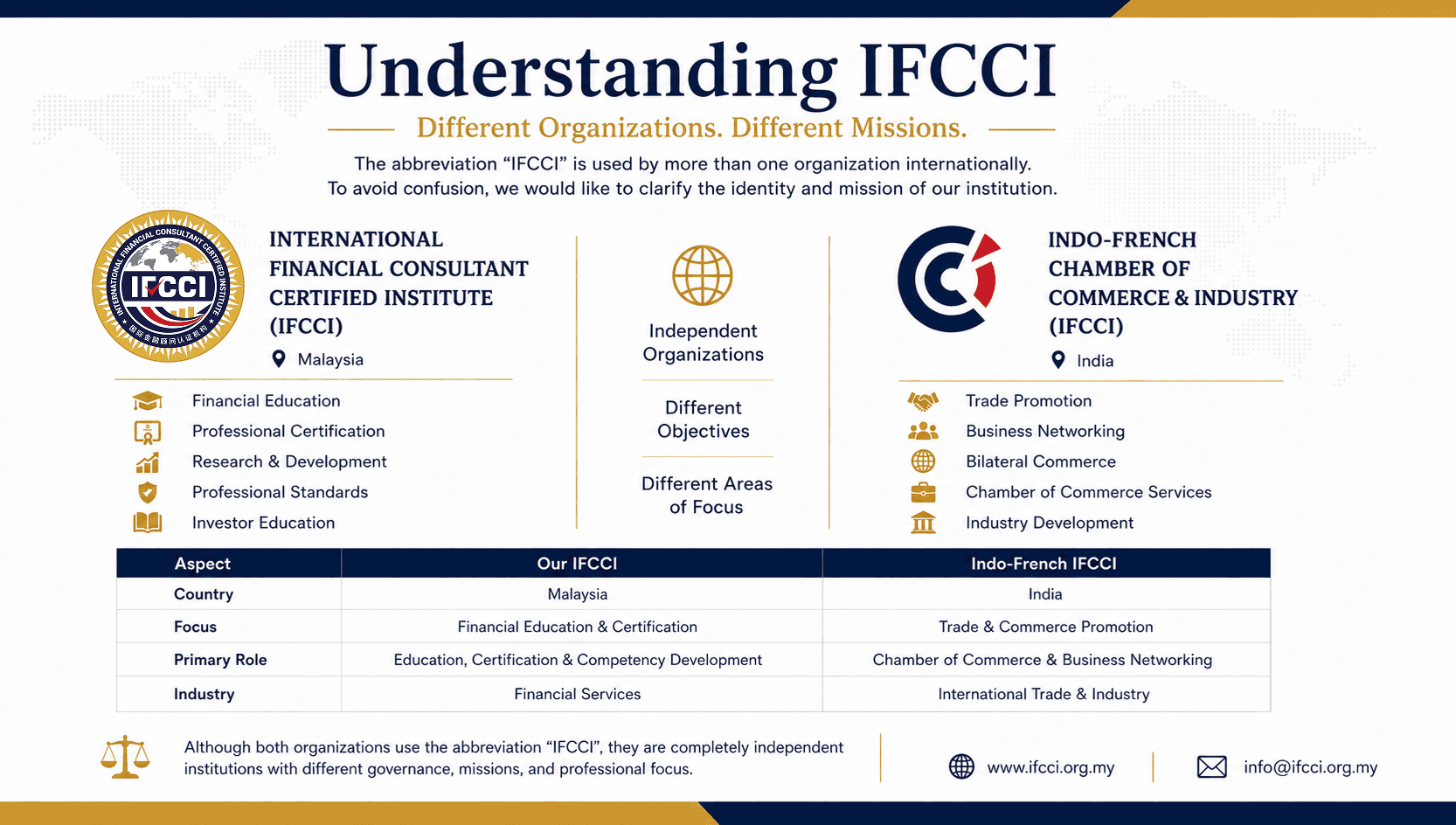
Understanding IFCCI: International Financial Consultant Certified Institute and Other Organizations Using the IFCCI Acronym
27 Jul 2026
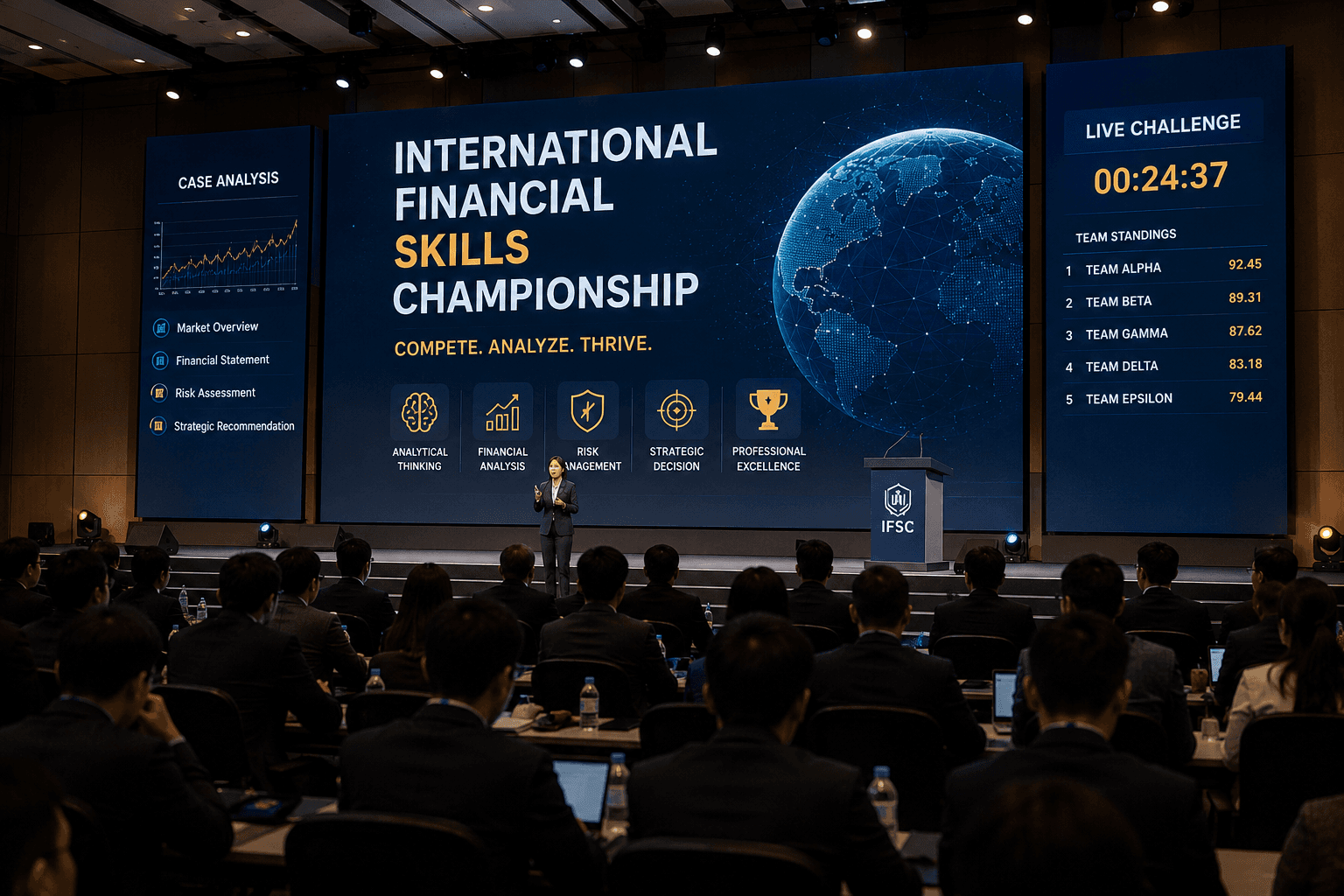
Why International Financial Skills Championships Matter in Developing Global Financial Excellence
13 Jul 2026