Best Financial Education Malaysia: Standards Guide 2026
Understanding Malaysia's Financial Education Landscape
Malaysia's financial services sector has experienced remarkable growth, driving demand for qualified professionals with robust financial education credentials. The country's position as a regional Islamic finance hub and its sophisticated conventional banking sector require practitioners who meet stringent professional competence standards.
The Malaysian financial education ecosystem encompasses various regulatory bodies, professional institutes, and educational providers. Understanding these pathways is crucial for career advancement and professional credibility in today's competitive marketplace.
Regulatory Framework and Accreditation Standards
Malaysia's financial education sector operates under comprehensive regulatory oversight. The Ministry of Higher Education provides EEB (Educational Excellence Blueprint) partnership frameworks, while the Registrar of Societies (ROS) Malaysia ensures institutional compliance for professional bodies.
JPK accreditation serves as a quality benchmark for educational programmes, ensuring curriculum standards meet industry requirements. This regulatory framework creates accountability and maintains educational quality across institutions.
Professional Competence Requirements
Modern financial markets demand professionals who demonstrate measurable competence through standardized assessments. Professional standards frameworks establish clear competency benchmarks across different financial disciplines, from trading and investment management to risk assessment and regulatory compliance.
These standards ensure practitioners possess the technical knowledge, ethical foundation, and practical skills necessary for effective financial services delivery.
Leading Financial Certification Programmes
Several distinguished certification programmes serve Malaysian financial professionals, each addressing specific industry segments and competency levels.
Trading and Markets Certification
The Certified Financial Trader (CFT) certification represents a comprehensive approach to trading competence assessment. This programme evaluates candidates across multiple dimensions including market analysis, risk management, trading psychology, and regulatory compliance.
The CFT classification system provides clear career progression pathways through Class C, B, A, and A+ designations, allowing professionals to demonstrate increasing levels of expertise and responsibility.
Instructor Development Programmes
Quality financial education requires qualified instructors who combine subject matter expertise with pedagogical competence. Instructor licensing programmes ensure educational providers maintain high teaching standards through structured development pathways.
These programmes typically progress from Associate through Certified to Master instructor levels, requiring demonstrated expertise in curriculum development, assessment methodology, and continuous professional development.
Key Selection Criteria for Financial Education Programmes
When evaluating financial education options, several critical factors distinguish quality programmes from less rigorous alternatives.
Accreditation and Recognition
Legitimate programmes maintain proper regulatory registration and industry recognition. Look for institutions registered with appropriate Malaysian authorities and holding relevant educational accreditations.
Curriculum Depth and Relevance
Quality programmes provide comprehensive coverage of theoretical foundations while emphasizing practical application. Curricula should reflect current market conditions, regulatory requirements, and industry best practices.
Assessment Rigour
Professional certifications require robust assessment methodologies that fairly evaluate candidate competence. This includes both theoretical knowledge testing and practical application demonstrations.
Continuing Education Requirements
Dynamic financial markets require ongoing professional development. Quality programmes incorporate continuing education requirements to ensure practitioners maintain current knowledge and skills.
Industry Recognition and Career Impact
Professional financial education credentials significantly impact career progression and earning potential in Malaysia's competitive financial services sector.
Employment Advantages
Employers increasingly prioritize candidates with recognized professional certifications when making hiring and promotion decisions. These credentials demonstrate commitment to professional excellence and provide objective competence validation.
Regulatory Compliance
Many financial services roles require specific educational qualifications for regulatory compliance. Professional certifications often fulfill these requirements while providing additional competitive advantages.
Network Access
Quality educational programmes connect participants with professional networks including fellow practitioners, industry experts, and thought leaders. These relationships prove invaluable for career development and knowledge sharing.
Research and Innovation in Financial Education
Leading educational institutions invest in research initiatives that advance financial education methodology and industry understanding.
Platform transparency research examines market structure evolution and its implications for practitioner competence requirements. This research informs curriculum development and ensures educational programmes remain relevant to evolving industry needs.
Trading championships and competitive programmes provide practical learning opportunities while showcasing participant competence to potential employers and peers.
Choosing the Right Programme for Your Career Goals
Selecting appropriate financial education depends on career objectives, current competence level, and professional aspirations.
Entry-Level Professionals
New entrants to financial services should prioritize programmes providing comprehensive foundational knowledge across core competency areas. Look for structured learning pathways with clear progression opportunities.
Experienced Practitioners
Seasoned professionals benefit from specialized programmes addressing specific competency gaps or emerging market developments. Consider programmes offering advanced classifications or specialized endorsements.
Career Changers
Professionals transitioning from other industries should seek programmes providing both theoretical grounding and practical application opportunities. Comprehensive assessment systems help validate competence acquisition.
Future Trends in Malaysian Financial Education
Several trends are shaping the future of financial education in Malaysia, driven by technological advancement, regulatory evolution, and changing market dynamics.
Digital Transformation
Educational delivery methods increasingly incorporate digital technologies, offering flexible learning options while maintaining assessment rigour. However, quality programmes balance technological convenience with rigorous competence evaluation.
Specialization Growth
As financial markets become more complex, demand grows for specialized competence in areas such as Islamic finance, fintech, sustainable investing, and quantitative analysis.
International Integration
Malaysia's financial sector operates within global markets, requiring professionals who understand both local and international standards. Quality educational programmes incorporate this dual perspective.
Frequently Asked Questions
What accreditation should I look for in Malaysian financial education programmes?
Look for programmes from institutions registered with ROS Malaysia and holding JPK accreditation. EEB educational partnerships indicate additional quality assurance. Avoid unregistered providers or those making unrealistic claims about outcomes.
How do professional certifications compare to university degrees in finance?
Professional certifications focus on practical competence and current industry practices, while university degrees provide broader theoretical foundations. Many successful professionals combine both approaches, using degrees for foundational knowledge and certifications for specialized competence demonstration.
What continuing education requirements apply to financial certifications?
Most reputable certifications require ongoing professional development to maintain credential validity. This typically includes structured learning activities, industry conference attendance, and periodic competence reassessment. Specific requirements vary by programme and classification level.
How long does it typically take to complete a professional financial certification?
Completion timeframes vary significantly based on programme scope, individual preparation time, and prior experience. Entry-level certifications may require 3-6 months of dedicated study, while advanced classifications can take 12-18 months or longer. Quality programmes prioritize competence over speed.
Are online financial education programmes as effective as classroom-based learning?
Well-designed online programmes can be highly effective, particularly when they include interactive elements, practical exercises, and rigorous assessment. However, the key factor is programme quality rather than delivery method. Look for programmes with proven track records regardless of format.
Professional financial education serves as the foundation for successful careers in Malaysia's dynamic financial services sector. Quality programmes provide the knowledge, skills, and credentials necessary for career advancement while contributing to overall industry standards and public confidence.
For professionals seeking to advance their careers through recognized certification programmes, explore the Certified Financial Trader pathway and discover how structured competence development can enhance your professional standing.
Related Articles

What Does IFCCI Do? Advancing Financial Education, Certification and Research
7 Aug 2026
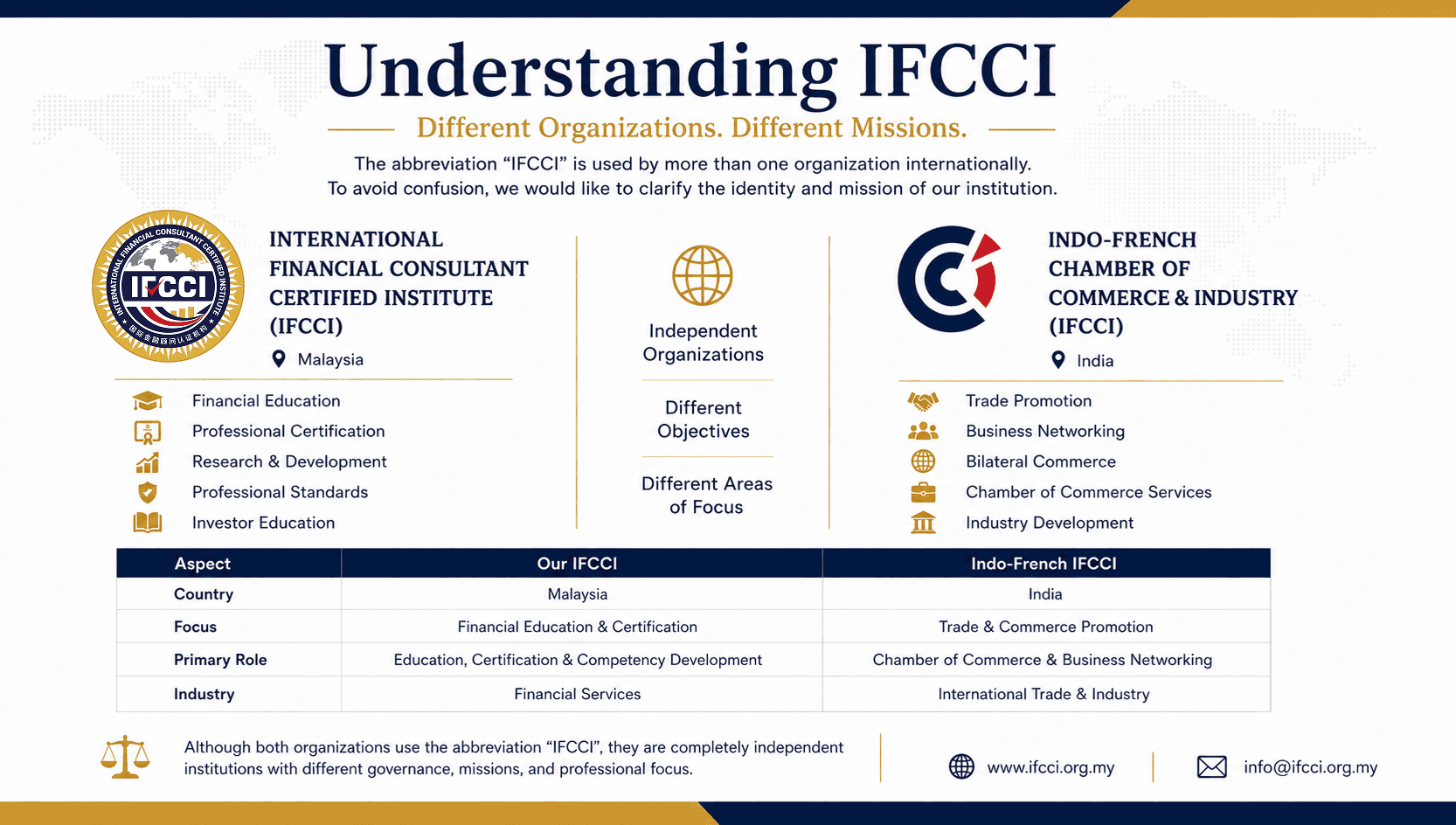
Understanding IFCCI: International Financial Consultant Certified Institute and Other Organizations Using the IFCCI Acronym
27 Jul 2026
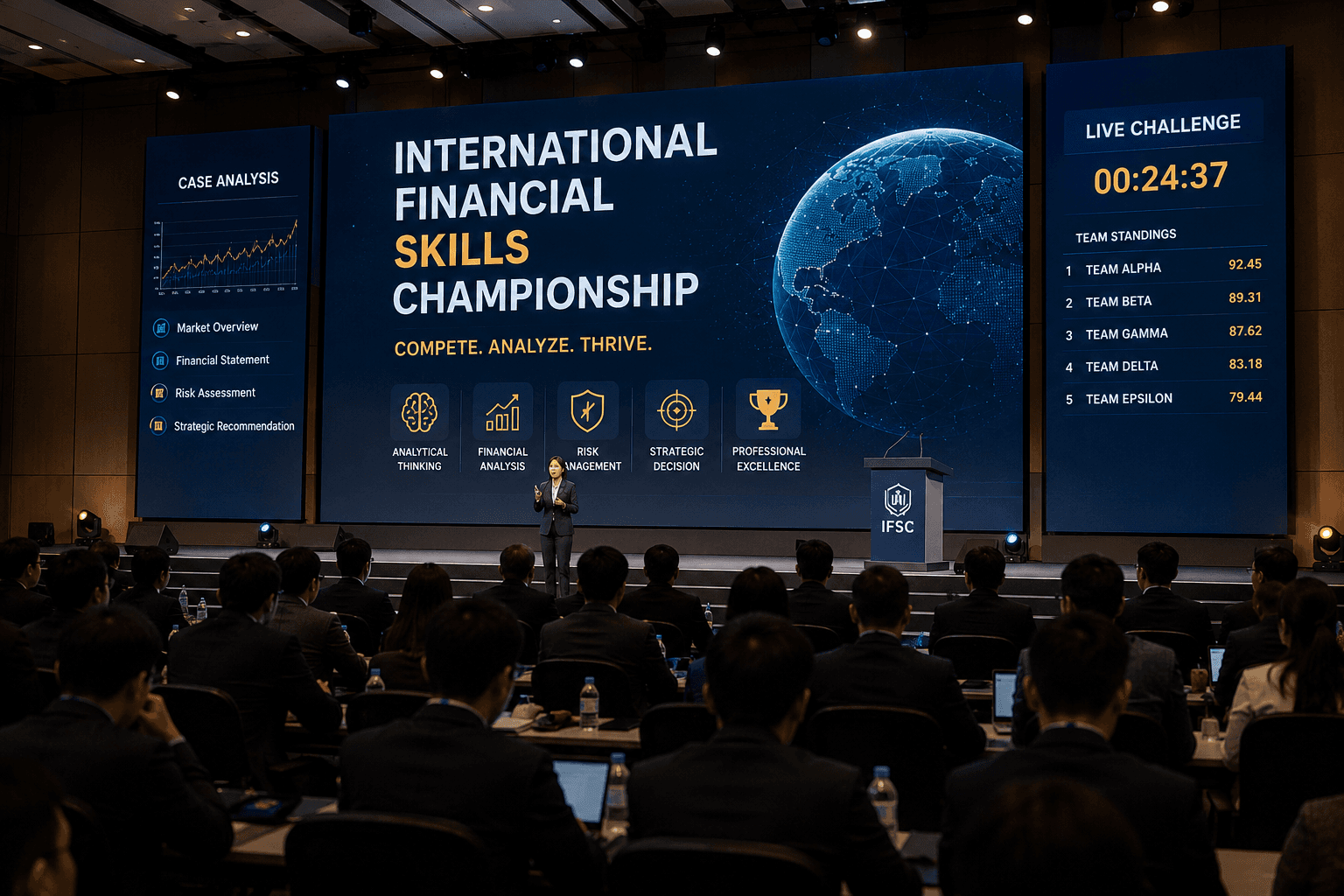
Why International Financial Skills Championships Matter in Developing Global Financial Excellence
13 Jul 2026