
Woman Loses RM2 Million in Love Scam
Woman Loses RM2 Million in Love Scam
In a distressing case that underscores the growing sophistication of romance-based fraud, a retired woman in Malaysia has been defrauded of over RM2 million in an elaborate online love scam. According to recent reports, the victim was lured into a trusting virtual relationship via social media, resulting in substantial financial losses over a prolonged period 星报.
The Scam Unfolds
The incident came to light in March 2025 when Selangor police confirmed that the victim — a 61-year-old retired woman — had become involved with what she believed was a legitimate investment opportunity facilitated by an online acquaintance. The scheme originated from a cryptocurrency exchange model named “Silegx,” which she discovered through TikTok. The scammer, who identified himself as “Richard Ong” over a WhatsApp discussion group, convinced her to transfer funds under the pretext of lucrative cryptocurrency investments 星报.
Over the course of several months, she transferred funds through 20 distinct transactions to 15 different bank accounts. The victim only realized the deception when she was prompted to make additional payments to unlock her supposed returns — a classic red flag in fraudulent investment schemes 星报. By then, the total sum lost had amounted to approximately RM2 million.
Broader Context: Love Scams on the Rise
This case represents just one of many across the country. In 2024 alone, Bukit Aman (Malaysian Commercial Crime Investigation Department) reported that online romance and phone scams affected at least 496 individuals, with estimated losses soaring to RM23.3 million as of August 2024 Malay Mail.
Another significant incident, spanning nearly seven years, involved a 67-year-old woman from Sabah who fell victim to a love scam despite never meeting her alleged “beau” in person. She made 306 bank transactions across 50 accounts, ultimately losing RM2.2 million — a case that may rank among the longest-running scams of its kind 星报南华早报.
These troubling patterns reveal how victims are exploited emotionally and financially, often over extended times and without any physical interaction with the fraudsters.
Lessons in Prevention and Awareness
For non-profit educational institutions like IFCCI, promoting digital literacy, fraud awareness, and emotional resilience is critical. Key preventive measures include:
- Verify Online Relationships: Encourage individuals to be cautious with those met online. Legitimate love interests will gradually allow personal interactions like video calls or in-person meetings.
- Recognize Red Flags: Requests for money, especially under urgent or vague pretenses, are major warning signs. Be critical of unsolicited financial advice or investment opportunities.
- Report Early: Victims often realize too late. Reporting suspicious messages or financial requests to authorities early can limit damage.
- Educate Widely: Public campaigns, certification courses, and school awareness programs can help reinforce informed skepticism and safe practices.
IFCCI’s Role in Combating Scams
As a non-profit academic institution registered with Malaysia’s Registrar of Societies (ROS), IFCCI stands uniquely positioned to contribute to this fight through:
- Curriculum Development: Offering certification programs in Digital Security, Media Literacy, and Consumer Protection.
- Workshops and Webinars: Hosting experts in fraud detection and cybersecurity to reach vulnerable groups — seniors, retirees, and young adults active in the online ecosystem.
- Public Collaborations: Partnering with law enforcement and NGOs to produce accessible guides, e-learning modules, and awareness content.
- Research Initiatives: Conducting studies on scam trends to inform policymakers addressing regulatory gaps in online scam prevention.
Through these efforts, IFCCI can help empower learners and communities — equipping them with the critical ability to discern fraudulent schemes, particularly romance and investment scams that prey on emotion and trust.
Concluding Thoughts
The case of the retired woman losing RM2 million serves as a sobering reminder that even well-intentioned individuals are vulnerable to digital deception. Romance scams, wrapped in emotional manipulation, can drain life savings and trust alike.
By promoting education, certification, and awareness, IFCCI’s mission can broaden its impact — nurturing a more informed public that is attentive, skeptical, and resilient in the face of increasingly sophisticated online fraud.
Related Articles

What Does IFCCI Do? Advancing Financial Education, Certification and Research
7 Aug 2026
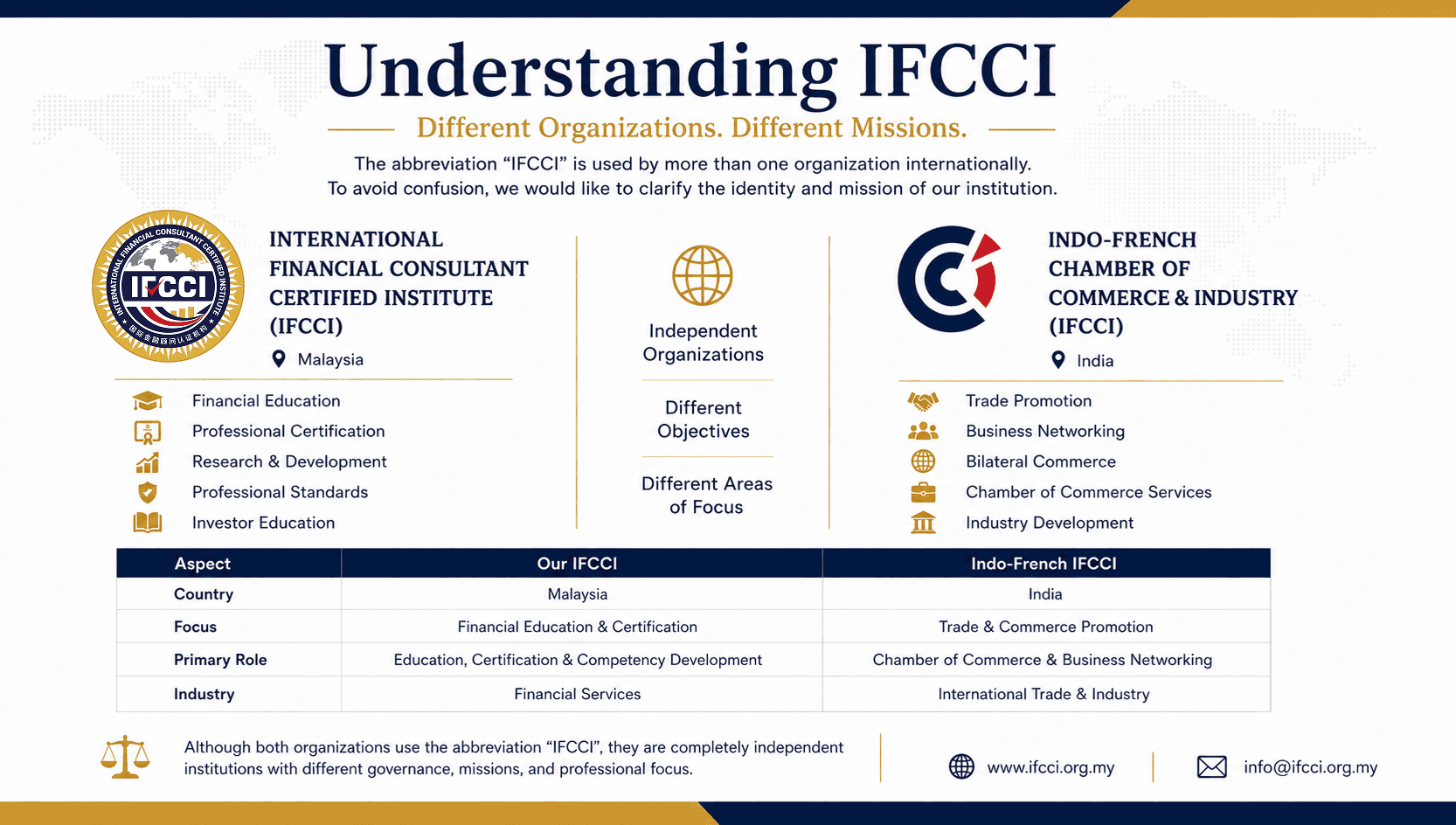
Understanding IFCCI: International Financial Consultant Certified Institute and Other Organizations Using the IFCCI Acronym
27 Jul 2026
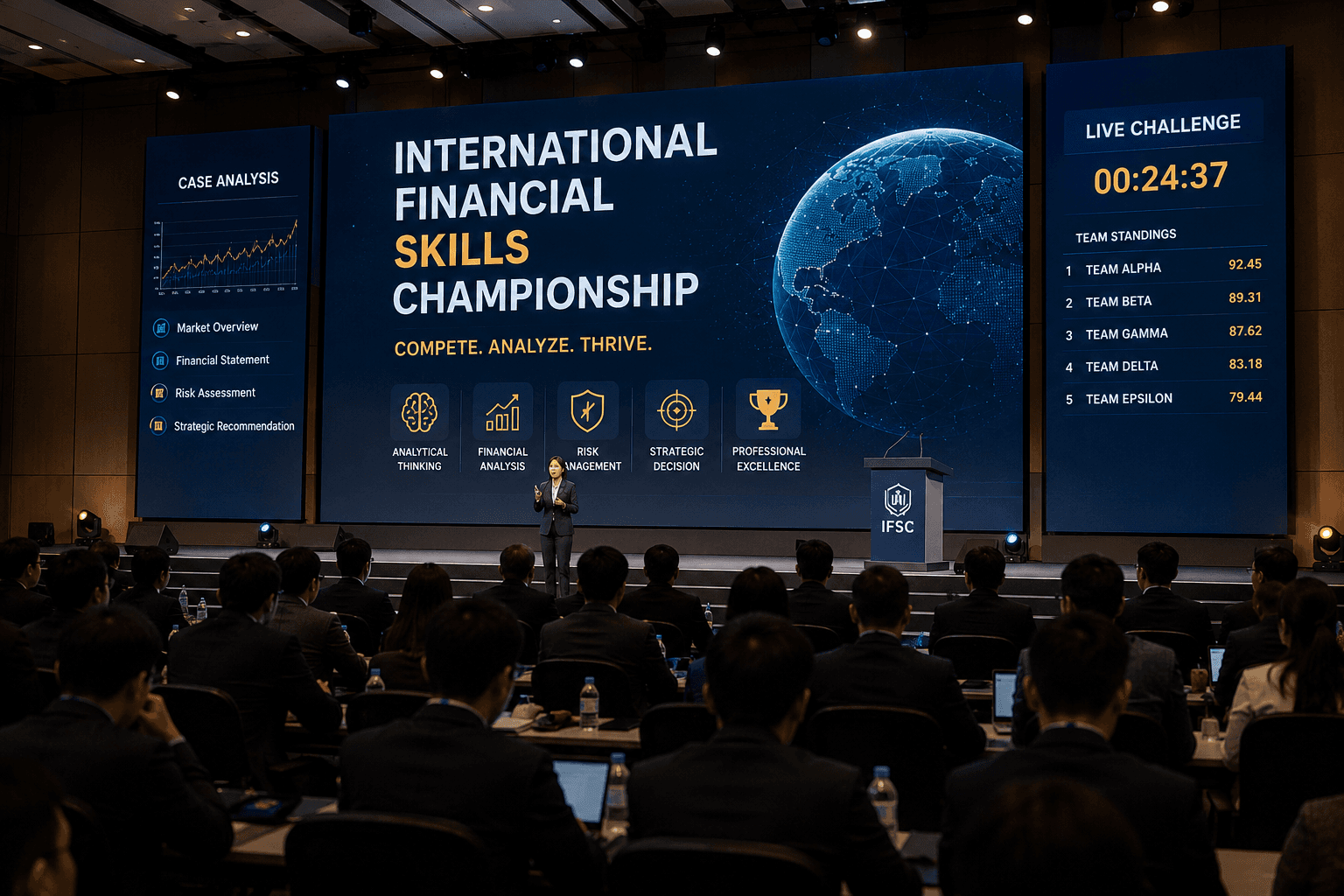
Why International Financial Skills Championships Matter in Developing Global Financial Excellence
13 Jul 2026