
Will Tariffs Raise Inflation? The Fed Remains Split
Will Tariffs Boost Prices? The Fed Can’t Decide
📌 Introduction
Tariffs have long been one of the most debated tools in economic policy. On one hand, they are meant to protect domestic industries and encourage local production. On the other, they often raise costs for businesses and consumers, fueling inflationary pressures.
Now, as new tariffs loom over key sectors, the Federal Reserve is grappling with an important question: will tariffs boost consumer prices enough to complicate monetary policy, or will slowing demand keep inflation in check?
🔹 Tariffs and Their Historical Impact on Inflation
Economic research shows that tariffs tend to raise input costs for producers and reduce competition. These costs are frequently passed on to consumers in the form of higher prices.
- 2018–2019 Trade War Example: The U.S.-China trade war saw price increases in electronics, steel, and agricultural goods.
- Short-Term vs. Long-Term Impact: While short-term effects usually appear quickly in supply chains, long-term impacts depend on whether businesses adjust production or shift suppliers.
In the current cycle, economists are watching whether global supply chains — already strained by post-pandemic disruptions — will amplify tariff-driven price pressures.
🔹 The Fed’s Dilemma
The Federal Reserve’s mandate is to maintain stable prices and maximize employment. Tariffs pose a challenge because they introduce cost-push inflation, which is harder to manage than demand-driven inflation.
- Hawkish Camp
- Some Fed officials argue tariffs will directly increase inflation, requiring tighter monetary policy to maintain credibility.
- They point to past data where tariffs boosted consumer price indices in specific categories.
- Dovish Camp
- Others argue that while tariffs may raise certain prices, slowing growth and weaker demand will offset these pressures.
- In this view, raising rates aggressively risks tipping the economy into unnecessary recession.
This policy divide has left markets uncertain about the Fed’s next move.
🔹 Market Implications
- Bond Markets: Yields remain volatile as investors weigh inflation risks versus potential Fed cuts.
- Equities: Sectors dependent on imports, such as retail and manufacturing, are particularly sensitive to tariff-driven costs.
- Currency Markets: A stronger U.S. dollar may cushion inflationary shocks, but it also pressures exports.
Traders are increasingly pricing in a wider range of outcomes, reflecting the Fed’s own uncertainty.
🔹 Global Context
It’s not just the U.S. economy at stake. Tariffs have ripple effects worldwide:
- Emerging Markets: Higher input costs could trigger imported inflation, especially in Asia.
- Europe: As a major U.S. trading partner, Europe could face demand slowdowns if tariffs dampen American consumption.
- China: As the main target of U.S. tariffs, Chinese exporters may accelerate their shift toward other markets, reshaping global trade flows.
🔹 Technical & Policy Outlook
- Inflation Forecasts: If tariffs remain in place, analysts expect inflation to be 0.3%–0.5% higher in 2025.
- Fed Policy Scenarios:
- Scenario 1: Persistent inflation → Fed delays rate cuts, maintains restrictive stance.
- Scenario 2: Demand weakness dominates → Fed leans toward gradual easing.
- Key Watchpoints: PCE inflation reports, labor market data, and upcoming Fed minutes will clarify policy direction.
🔹 Investor Takeaways
- Expect Volatility
- Markets will remain sensitive to both tariff headlines and Fed commentary.
- Diversify Exposure
- Sectors like technology and domestic services may outperform compared to tariff-sensitive industries.
- Watch Inflation Indicators
- CPI, PPI, and import price indices will be crucial to gauge tariff effects in real time.
📌 Conclusion
The debate over whether tariffs will significantly boost prices has split the Federal Reserve. While some policymakers warn of renewed inflation, others believe weak demand will offset these pressures.
For investors, this uncertainty means staying nimble, watching inflation data closely, and preparing for shifting Fed policy paths. Whether tariffs prove inflationary or not, the Fed’s cautious stance ensures volatility will remain a defining theme in financial markets.
Related Articles

What Does IFCCI Do? Advancing Financial Education, Certification and Research
7 Aug 2026
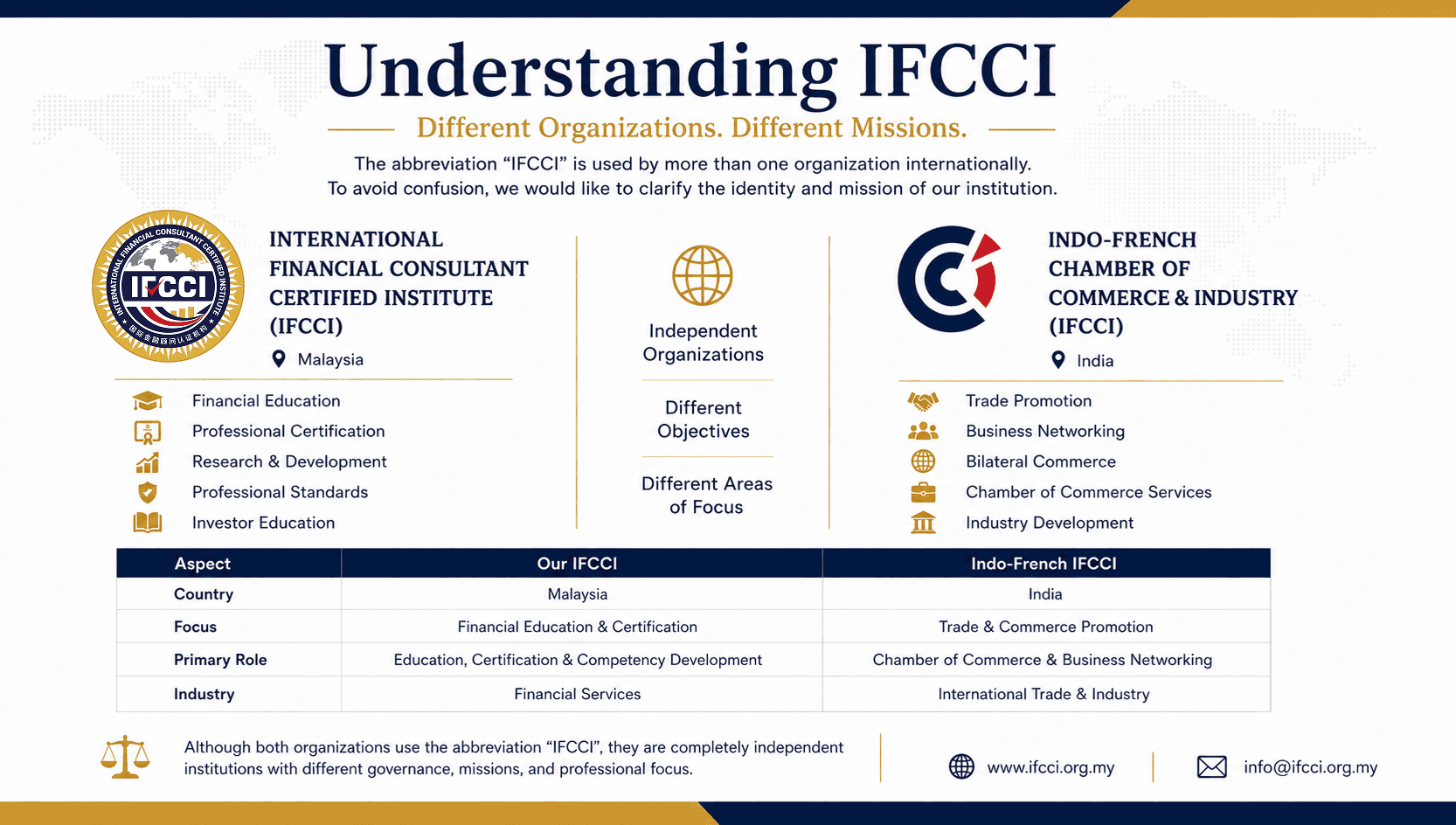
Understanding IFCCI: International Financial Consultant Certified Institute and Other Organizations Using the IFCCI Acronym
27 Jul 2026

Why International Financial Skills Championships Matter in Developing Global Financial Excellence
13 Jul 2026