
Why the Bank of England May Delay Further Rate Cuts Until 2026
Another UK Interest Rate Cut This Year Looks Increasingly Unlikely
Introduction: Policy Optimism Fades
For much of early 2025, financial markets expected the Bank of England (BoE) to continue trimming interest rates as inflation cooled and growth softened. However, by mid-year, optimism has begun to fade. Recent data suggest that another UK interest rate cut in 2025 looks increasingly unlikely, as inflation proves more persistent than policymakers hoped and wage pressures remain elevated.
This reflects a wider challenge facing central banks worldwide: how to balance fragile growth with inflation that refuses to fall decisively back to target.
UK Inflation: Stubborn and Sticky
The latest UK inflation figures highlight why the BoE remains cautious.
- Headline CPI in July 2025 rose 3.2% year-on-year, only slightly below June’s 3.4%.
- Core inflation (excluding food and energy) came in at 3.5%, signaling persistent price pressures.
- Services inflation remains particularly sticky, often viewed as a key barometer of domestic inflation dynamics.
At the same time, average weekly earnings grew 4.1%, raising concerns about a wage-price spiral. While inflation has moderated compared to the double-digit surge seen in 2022–23, progress toward the BoE’s 2% target has been frustratingly slow.
The Bank of England’s Dilemma
The Monetary Policy Committee (MPC) faces a difficult trade-off. After delivering two rate cuts earlier this year, the BoE paused at its most recent meeting, holding the base rate at 4.75%.
Governor Andrew Bailey acknowledged progress but struck a cautious tone:
“We are encouraged by the direction of inflation, but it is premature to assume our task is complete. Policy will remain data-driven.”
This signals that the bar for additional cuts is high. Too much easing could re-ignite inflation expectations, undermining the credibility the BoE worked hard to restore after the 2022–23 price surge.
UK Economic Growth: Weak but Resilient
The UK economy continues to navigate a fragile recovery.
- Q2 2025 GDP expanded by just 0.2% quarter-on-quarter, narrowly avoiding contraction.
- Consumer spending has shown modest improvement, supported by lower energy bills and wage growth.
- Business investment remains subdued, reflecting ongoing Brexit uncertainties, geopolitical risks, and tight credit conditions.
- Housing activity picked up after earlier rate cuts, but affordability remains a constraint.
The growth picture is fragile but not dire enough to force the BoE’s hand. With inflation still above target, policymakers are unlikely to sacrifice credibility for the sake of marginal growth support.
International Backdrop: Policy Tightening Abroad
The BoE’s stance is also shaped by global monetary dynamics.
- US Federal Reserve: After hotter-than-expected July inflation, markets scaled back expectations for aggressive Fed cuts. US Treasury yields rose, exerting upward pressure on global bond yields.
- European Central Bank (ECB): The ECB remains cautious, with growth weak but inflation risks still present in energy-sensitive economies like Germany.
- Global Bond Market: Higher global yields automatically tighten financial conditions in the UK, reducing the need for the BoE to act.
This alignment of cautious stances among major central banks reinforces the view that 2025 may end without another BoE rate cut.
Market Reaction: GBP, Gilts, and Equities
Markets have repriced rapidly as expectations shift:
- Sterling (GBP/USD): The pound strengthened to 1.2850, as fading rate-cut bets supported the currency. Against the euro, sterling has also gained ground.
- UK Gilts: Yields climbed, with 10-year gilts trading near 4.15%, reflecting lower expectations of easing.
- FTSE 100: The index remains resilient, supported by global commodity firms and exporters, though domestic-focused stocks tied to consumer spending face headwinds.
Investors are now betting on a “higher-for-longer” policy path, with cuts postponed into early 2026.
Risks That Could Change the Outlook
Despite current consensus, risks remain two-sided.
Downside Risks (More Cuts Possible):
- A sharp contraction in GDP in Q3 or Q4 2025.
- A sudden freeze in credit markets leading to financial instability.
- Faster-than-expected disinflation, particularly in energy prices.
Upside Risks (No Cuts or Even Hikes):
- Renewed energy shocks driving inflation higher.
- Persistent wage growth keeping services inflation elevated.
- A depreciation in sterling that fuels imported inflation.
The balance of risks currently favors no cuts in 2025, but unexpected data shifts could alter the equation quickly.
Investor Strategy: Positioning for Policy Uncertainty
For investors and corporates, the implications are significant.
- FX Positioning
- Expect sterling to remain supported against the euro and yen.
- Dollar dynamics will dominate GBP/USD moves, but reduced BoE dovishness is pound-positive.
- Fixed Income
- Long-duration UK gilts remain vulnerable to rising yields.
- Short-duration or inflation-linked bonds may offer better protection.
- Equities
- Defensive sectors (healthcare, utilities) are more attractive under “higher-for-longer.”
- Consumer discretionary sectors may underperform due to pressure on real incomes.
- Commodities & Alternatives
- Gold continues to serve as a hedge against policy uncertainty.
- Selective real assets may gain appeal in portfolios seeking inflation protection.
Political Dimension: Fiscal Policy Matters
The UK government’s fiscal choices will also shape the BoE’s path. Chancellor Rachel Reeves has signaled fiscal discipline but faces pressure to provide cost-of-living relief. Any fiscal loosening could complicate the BoE’s job, delaying rate cuts even further.
Additionally, with elections on the horizon, monetary-fiscal coordination will remain under scrutiny. Markets must factor in political noise alongside macro data.
Conclusion: Patience, Not Premature Easing
The probability of another UK rate cut in 2025 is fading. Inflation remains above target, wages are rising, and global monetary conditions are tight. The BoE is signaling patience, preferring to hold steady rather than risk undermining progress.
For businesses, investors, and households, this means preparing for a longer period of elevated rates. Markets will closely watch upcoming CPI and wage data, but absent a major downturn, the BoE is expected to stay put until 2026.
As the IFCCI Global Markets Research team concludes:
“The Bank of England’s cautious approach reflects a new reality — patience is the policy, and markets must adapt to a higher-for-longer environment.”
Related Articles

What Does IFCCI Do? Advancing Financial Education, Certification and Research
7 Aug 2026
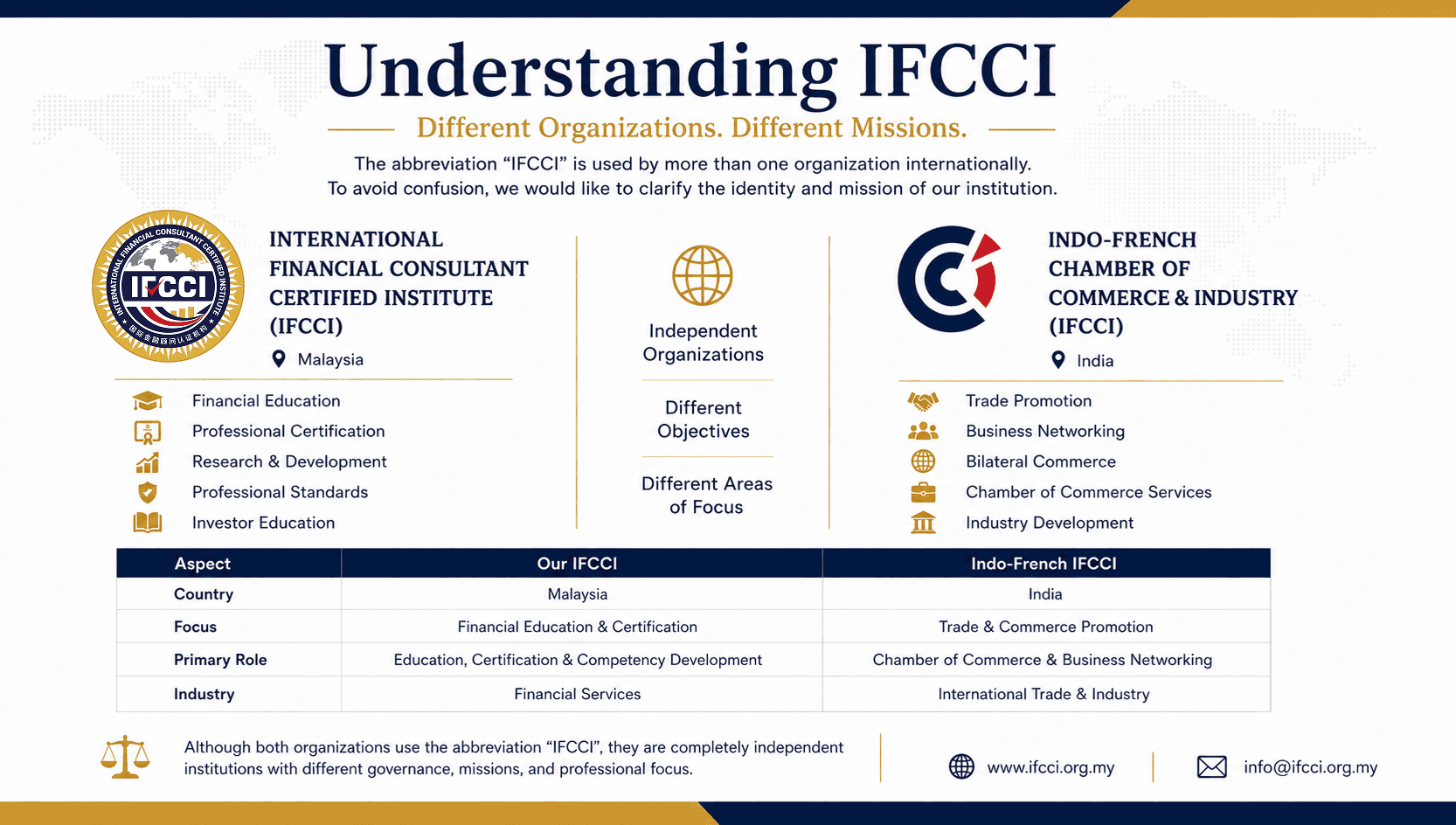
Understanding IFCCI: International Financial Consultant Certified Institute and Other Organizations Using the IFCCI Acronym
27 Jul 2026

Why International Financial Skills Championships Matter in Developing Global Financial Excellence
13 Jul 2026