
Why Companies Are Holding Bitcoin in Treasury — 2025 Outlook
The Bitcoin Treasury Movement Rolls On — Here’s What’s New
Introduction: Bitcoin as a Corporate Treasury Asset
Once dismissed as a speculative toy for retail investors, Bitcoin (BTC) has now matured into a serious contender in the world of corporate treasury management. The past three years have seen a wave of companies — from publicly listed giants to forward-thinking SMEs — adding Bitcoin to their balance sheets.
Far from slowing, the Bitcoin Treasury Movement is accelerating. New players are joining the fray, established holders are doubling down, and regulatory attitudes are evolving to meet demand. This article unpacks the latest developments, the motivations driving adoption, and the risks still looming over Bitcoin’s role in corporate finance.
From Pioneer to Mainstream
The movement began with pioneers like MicroStrategy, which famously converted billions of dollars of its corporate reserves into Bitcoin starting in 2020. Its success — with market valuation increasingly tied to Bitcoin’s performance — inspired others.
- Tesla made headlines in 2021 by purchasing $1.5 billion in BTC (though later trimming holdings).
- Smaller firms, particularly in tech and fintech, began adding BTC as a hedge against inflation and currency debasement.
- Today, more than 40 publicly traded companies and 200+ private firms globally hold Bitcoin on their balance sheets, according to IFCCI research.
The motivation is simple: Bitcoin, despite its volatility, offers scarcity, portability, and long-term appreciation potential unmatched by traditional fiat reserves.
The 2025 Update: Who’s Buying and Why
In 2025, the movement shows no signs of slowing. Key updates include:
- MicroStrategy’s Continued Accumulation: The firm added another 20,000 BTC this year, bringing its treasury total to over 250,000 BTC (roughly 1.2% of total supply).
- Regional Expansion: Corporates in Asia and Latin America are leading new adoption, particularly firms exposed to volatile local currencies.
- New Entrants: Logistics firms, energy companies, and even luxury retailers are experimenting with small Bitcoin allocations (1-3% of reserves).
- Government-Adjacent Entities: Sovereign wealth funds in the Middle East have reportedly explored BTC exposure through structured products.
This broadening base suggests the treasury case for Bitcoin is no longer just about hedging against inflation, but also about signal value — positioning companies as forward-looking and tech-savvy.
Why Companies Choose Bitcoin Over Gold
Historically, gold served as the traditional hedge asset. But corporates increasingly view Bitcoin as more attractive due to:
- Portability: BTC can be transferred across borders in minutes without costly logistics.
- Divisibility: Unlike gold bars, Bitcoin can be divided into micro-units for accounting flexibility.
- Performance: Over the past 10 years, Bitcoin has outperformed gold by over 400%, despite volatility.
- Liquidity: BTC can be sold 24/7 on global exchanges, whereas gold markets are slower and less accessible.
In short, Bitcoin offers many of gold’s safe-haven qualities while fitting seamlessly into a digital-first economy.
The Accounting and Regulatory Hurdles
Despite enthusiasm, challenges remain:
- Accounting Standards: Under most current frameworks (e.g., US GAAP), Bitcoin is treated as an intangible asset, forcing companies to mark impairments when prices fall but not revalue upwards when prices rise. This creates reporting asymmetry.
- Regulatory Oversight: While the US SEC and EU regulators have taken steps to clarify rules, global standards remain fragmented.
- Taxation Issues: Some jurisdictions classify BTC as property, triggering capital gains on disposals, while others treat it as currency.
There is growing momentum for IFRS reforms that would allow Bitcoin to be treated like a financial asset, which could unlock broader adoption.
Institutional Infrastructure is Catching Up
A major factor fueling the movement is the rapid improvement of institutional Bitcoin infrastructure:
- Custody Solutions: Firms like Fidelity, Coinbase Custody, and BitGo now offer insured, audited crypto storage.
- Treasury Management Tools: Platforms allow CFOs to rebalance portfolios, hedge with derivatives, and integrate BTC into ERP systems.
- Insurance Products: Underwriters now provide limited coverage for Bitcoin treasury holdings, reducing corporate risk.
- ETF Adoption: The launch of US and European spot Bitcoin ETFs in 2024 has created a regulated on-ramp for corporates hesitant to hold BTC directly.
This infrastructure is turning what was once an operational headache into a manageable treasury strategy.
Risks That Can’t Be Ignored
Of course, Bitcoin remains far from risk-free. Key concerns include:
- Volatility: A 20% price swing in a month can create accounting chaos.
- Regulatory Crackdowns: If governments impose stricter capital controls or transaction monitoring, treasury adoption may slow.
- Custodial Risks: Hacks and internal fraud remain possible, even with institutional-grade custodians.
- Reputation Risks: Some stakeholders still view Bitcoin as linked to speculation or illicit finance, which can create PR challenges.
For many CFOs, these risks mean Bitcoin allocations remain relatively small compared to fiat or bonds.
What’s Next for the Treasury Movement?
Looking ahead, several trends could shape the next phase of adoption:
- Accounting Reforms: If IFRS or GAAP standards evolve to mark BTC as a financial asset, adoption could accelerate significantly.
- Stablecoin Synergy: Firms may hold a mix of Bitcoin and regulated stablecoins (e.g., USDC) to balance volatility with utility.
- Cross-Border Settlements: Companies may use Bitcoin directly for international trade, bypassing slow and costly banking rails.
- CBDC Competition: The rise of central bank digital currencies (CBDCs) could influence how corporates weigh BTC as a reserve asset.
In essence, Bitcoin is evolving from a niche hedge into a strategic treasury tool, one that may become as common as foreign currency reserves in the next decade.
Conclusion: Bitcoin’s Role in Corporate Finance Is Solidifying
The Bitcoin Treasury Movement has moved past its experimental phase. While risks remain — particularly volatility and regulatory uncertainty — the infrastructure, market depth, and corporate interest suggest Bitcoin is becoming a mainstay of modern treasury management.
As CFOs face a world of inflationary pressures, geopolitical instability, and digital transformation, Bitcoin offers something increasingly rare: a globally liquid, finite, and borderless asset.
The movement rolls on — and the next wave of corporate adopters may transform Bitcoin’s role from hedge to cornerstone of digital-era balance sheets.
Related Articles

What Does IFCCI Do? Advancing Financial Education, Certification and Research
7 Aug 2026
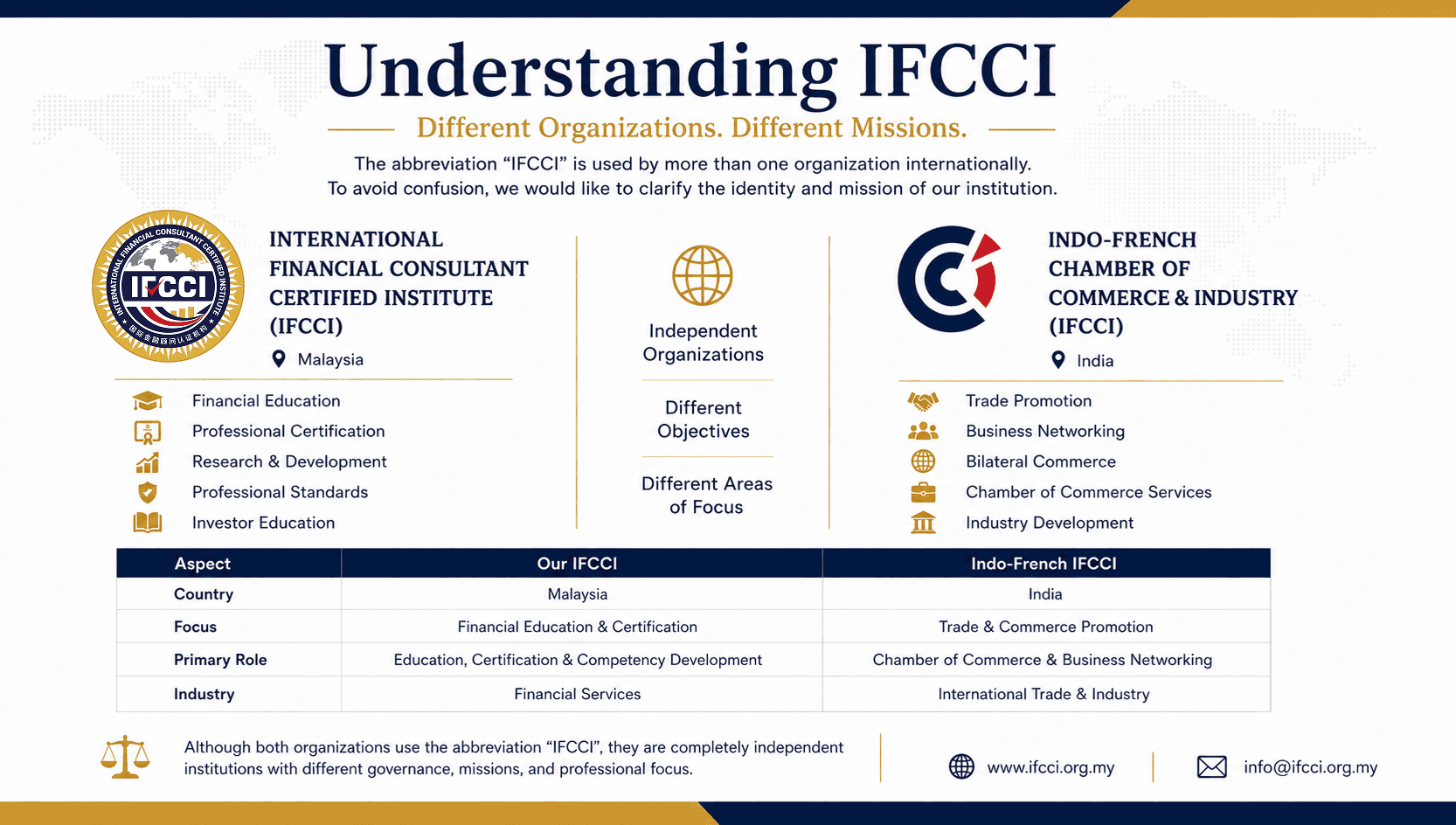
Understanding IFCCI: International Financial Consultant Certified Institute and Other Organizations Using the IFCCI Acronym
27 Jul 2026

Why International Financial Skills Championships Matter in Developing Global Financial Excellence
13 Jul 2026