
KYC actually stands for “Know Your Customer”, and it’s a verification process you’ll likely encounter when signing up for a crypto exchange.
Why Does KYC Matter?
Most crypto exchanges — especially those based in the U.S. or other regulated markets — must comply with Anti-Money Laundering (AML) laws. These regulations require platforms to collect certain personal details from their users to prevent illegal activities such as:
- Fraud
- Money laundering
- Terrorist financing
- Identity theft
- Impersonating a fake German heiress 👀
By verifying customer identities, exchanges create a digital paper trail that law enforcement can use if any suspicious activity occurs down the line.
KYC Isn’t Just for Crypto
KYC isn’t unique to crypto. You also go through a KYC process when opening a bank account, applying for a credit card, or taking out a mortgage. It’s standard practice for any financial institution that handles customer funds.
Do All Exchanges Require KYC?
Not all — but the list of KYC-optional platforms is getting shorter.
While some crypto exchanges may still allow limited deposits or trading without verification, most major exchanges now require KYC immediately upon creating an account. It’s becoming a global standard.
How Does KYC Work?
When you create an account on a crypto exchange, you’ll typically be asked to provide:
- Full name
- Date of birth
- Address
- Phone number
These details help the platform meet its AML obligations by making sure your identity is real and traceable.
Depending on the exchange and your local regulations, you may also need to submit:
- A government-issued photo ID (e.g. passport or driver’s license)
- Proof of address (like a utility bill or bank statement)
- Your Social Security Number (in some countries)
- A selfie or video selfie for facial verification
- Information about your income or source of funds
While the initial checks are usually automated, some platforms have real people reviewing your documents — and they may even give you a quick call to confirm details.
Extra KYC for Big Accounts
Many platforms have tiered KYC requirements, meaning that the more you want to deposit, withdraw, or trade, the more info you’ll have to provide. Other exchanges might require full KYC for all users, regardless of transaction size.
So yes — it’s a lot of personal data. That’s why it’s crucial to only use reputable, trustworthy exchanges that take user privacy and security seriously.
Final Thoughts
While KYC might feel like a hassle, it’s become an unavoidable part of using centralized crypto platforms. As more governments crack down on crypto-related financial crime, exchanges are under growing pressure to comply.
So, before you sign up anywhere, make sure you understand what kind of KYC is required — and that the exchange is worth trusting with your personal information.
Related Articles

What Does IFCCI Do? Advancing Financial Education, Certification and Research
7 Aug 2026
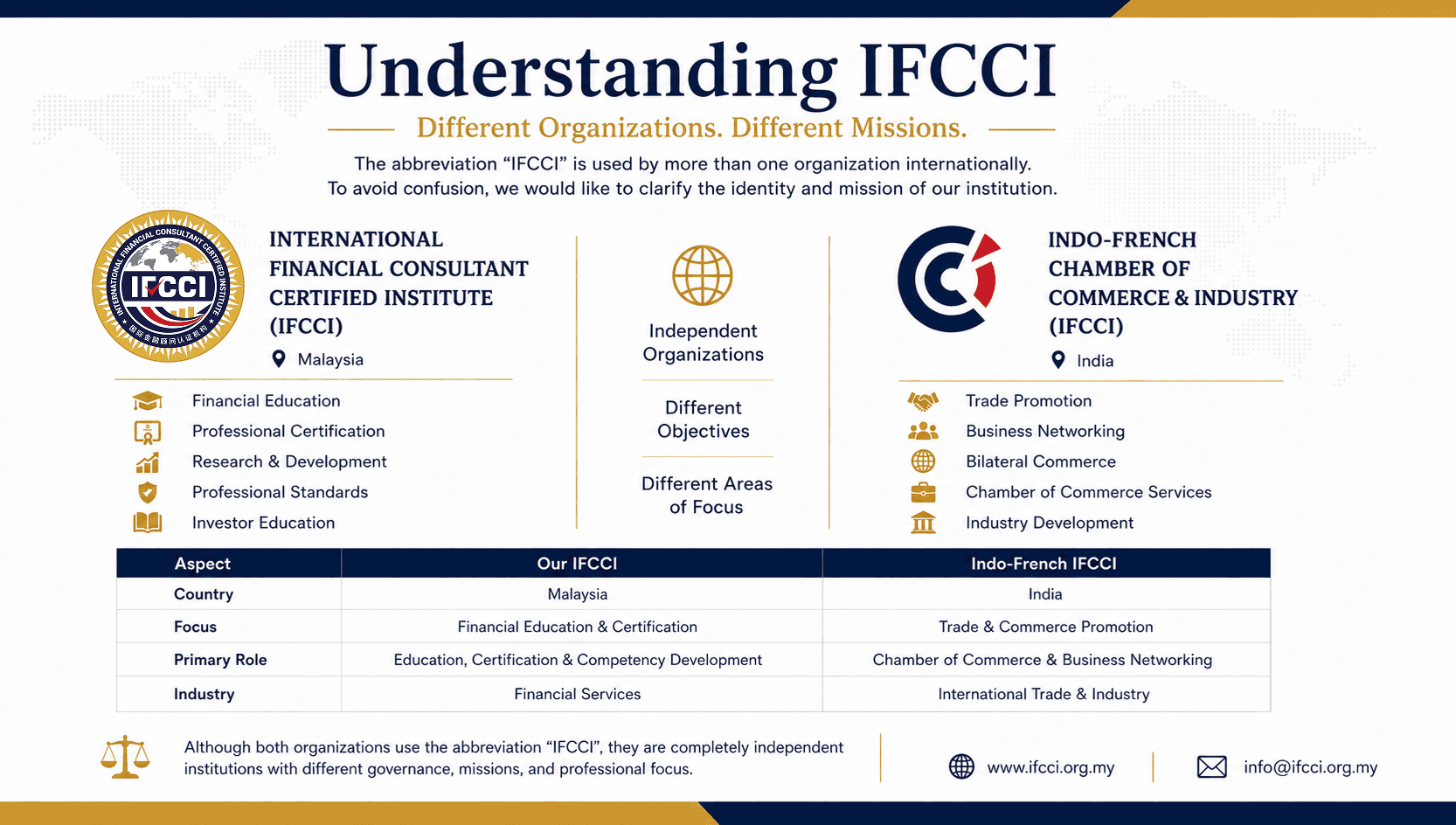
Understanding IFCCI: International Financial Consultant Certified Institute and Other Organizations Using the IFCCI Acronym
27 Jul 2026

Why International Financial Skills Championships Matter in Developing Global Financial Excellence
13 Jul 2026