
What is a Decentralized Application (dApp)?
What Are Decentralized Applications (dApps)?
In our previous lesson, we learned that Ethereum is a computing platform that allows developers to create and run smart contracts — pieces of code that automatically execute when specific conditions are met.
But smart contracts are just the building blocks. Most developers use them as part of something bigger: a decentralized application, or dApp.
Let’s break that down.
What Is a dApp?
A decentralized application (also spelled “Dapp” or “dapp”) is a software application that runs autonomously on a blockchain using smart contracts.
Unlike traditional apps that rely on centralized servers or companies, dApps operate without a central authority. Once they’re deployed, they run according to the rules written into their code — no human intervention required.
In simple terms, you can think of a dApp as:
dApp = frontend (user interface) + smart contract backend
The frontend is the part of the app that users interact with — like the screens and buttons in a mobile or web app.
The backend is powered by smart contracts — coded logic that lives on the blockchain and runs the actual functionality.
So, while a dApp may look and feel like a regular app, it’s powered by code that lives on a decentralized network — making it open, trustless, and transparent.
Why dApps Matter
dApps come with some powerful benefits:
✅ Trustless Transactions
With dApps, two or more parties can interact and exchange value without needing to trust each other — or a middleman. The smart contract ensures the agreement is carried out exactly as programmed.
✅ Open-Source Code
Most dApps are open source, meaning the code is available for anyone to inspect. That adds a layer of transparency you don’t get with apps from big tech companies (looking at you, Alexa 👀).
✅ Censorship Resistance
Once deployed, no single entity can stop a dApp from running. This means content can’t easily be censored or users banned — which can be both empowering and problematic, depending on how the dApp is used.
✅ Highly Available
Since dApps run on a decentralized network of thousands of nodes, they’re resistant to downtime. Even if many nodes go offline, the network (and the app) continues to operate.
But dApps Aren’t Perfect
There are trade-offs:
- Harder to Update: Once deployed on the blockchain, it’s difficult to change or patch a dApp. Fixing bugs or adding features is a challenge, especially when the code is immutable.
- Performance Limitations: Every node in the network must process and store every transaction. This results in slower performance and higher fees compared to centralized apps.
- Scaling Issues: Ethereum’s original consensus mechanism (Proof of Work) made dApps secure but slow. Congestion on the network can lead to high gas fees and sluggish performance.
Fortunately, upgrades like Ethereum 2.0 and the move to Proof of Stake (PoS) are addressing some of these issues — improving scalability and efficiency over time.
Real-World Example: Uniswap
Let’s look at Uniswap, one of Ethereum’s most popular dApps.
Uniswap is a decentralized exchange (DEX) that allows users to swap crypto tokens directly — no central exchange, no signups, no middlemen.
Here’s how it works:
- You visit the Uniswap web interface (the frontend).
- You connect your crypto wallet.
- You choose two tokens to swap (like ETH for BAT).
- Behind the scenes, a smart contract handles the transaction.
Instead of using a traditional order book like centralized exchanges, Uniswap uses an Automated Market Maker (AMM) model.
An AMM is just a smart contract with a pricing algorithm. It relies on liquidity pools — crypto tokens provided by other users — and uses a formula to set exchange rates.
When you swap tokens, you’re actually trading with a smart contract that pulls from a pool of tokens provided by other users. Those users are rewarded with a cut of the trading fees.
Key Features:
- Open Source: Anyone can inspect or fork the code.
- Permissionless: Anyone can use it — no KYC, no account.
- Decentralized: There’s no central authority holding user funds or processing trades.
In essence, Uniswap is an app that feels like a regular exchange — but it’s built entirely on smart contracts and runs on the Ethereum blockchain.
In Summary
- dApps are applications that run on blockchains using smart contracts.
- They combine a familiar user interface with decentralized, automated backend logic.
- Benefits include trustless interaction, transparency, censorship resistance, and high availability.
- Challenges include limited scalability, slow updates, and network congestion — but Ethereum upgrades are helping solve these.
- Uniswap is a prime example of a real-world dApp in action.
Next up, we’ll explore more types of dApps and how they’re shaping industries like finance, gaming, identity, and more.
Related Articles

What Does IFCCI Do? Advancing Financial Education, Certification and Research
7 Aug 2026
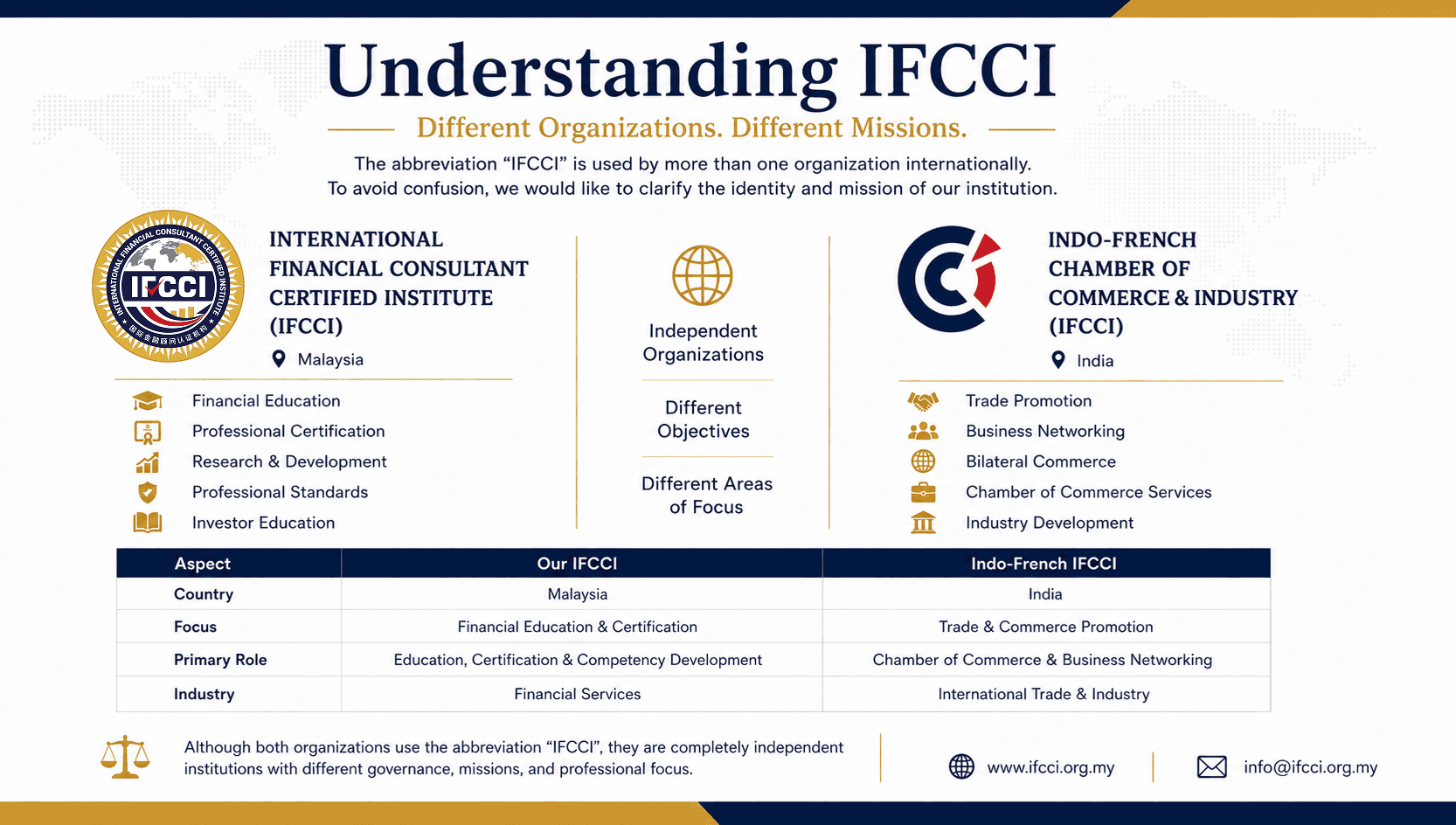
Understanding IFCCI: International Financial Consultant Certified Institute and Other Organizations Using the IFCCI Acronym
27 Jul 2026

Why International Financial Skills Championships Matter in Developing Global Financial Excellence
13 Jul 2026