
Wall St slides on economic jitters, tech valuations
Wall St Slides on Economic Jitters, Tech Valuations
By IFCCI Global Markets Desk
Data verified and updated as of 5 November 2025
Wall Street ended lower on Tuesday as investors grew cautious over the economic outlook and the sustainability of lofty technology stock valuations, prompting broad-based declines across major indices.
The Dow Jones Industrial Average fell 0.8%, while the S&P 500 and Nasdaq Composite dropped 1.1% and 1.4%, respectively, marking their weakest session in over two weeks.
Market sentiment was pressured by renewed fears of slowing US growth, with weaker-than-expected manufacturing and consumer data suggesting that higher borrowing costs continue to weigh on economic momentum. The technology sector — which has driven much of this year’s market recovery — was particularly hit as investors questioned whether earnings expectations can justify elevated valuations.
“After months of strong gains, markets are reassessing the sustainability of tech-led momentum,” said an IFCCI research analyst. “Investors are becoming more sensitive to macro data that could challenge the soft-landing narrative.”
Bond yields remained volatile, with the 10-year Treasury yield hovering near 4.6%, reflecting persistent uncertainty over the Federal Reserve’s policy path. Energy and financial stocks also lagged, while defensive sectors such as healthcare and utilities saw modest inflows.
Market Outlook and IFCCI Commentary
Analysts at IFCCI observe that recent equity pullbacks are consistent with broader portfolio rebalancing as investors navigate mixed inflation data and a potentially extended rate plateau. Despite underlying resilience in corporate earnings, higher-for-longer interest rates could limit valuation upside, particularly within high-growth sectors.
Short-term volatility is likely to persist as traders await the upcoming US non-farm payrolls and inflation reports, which may provide clearer signals on monetary easing prospects. For institutional investors, maintaining diversification across sectors and geographies remains critical to mitigating cyclical risk exposure.
Related Articles

What Does IFCCI Do? Advancing Financial Education, Certification and Research
7 Aug 2026
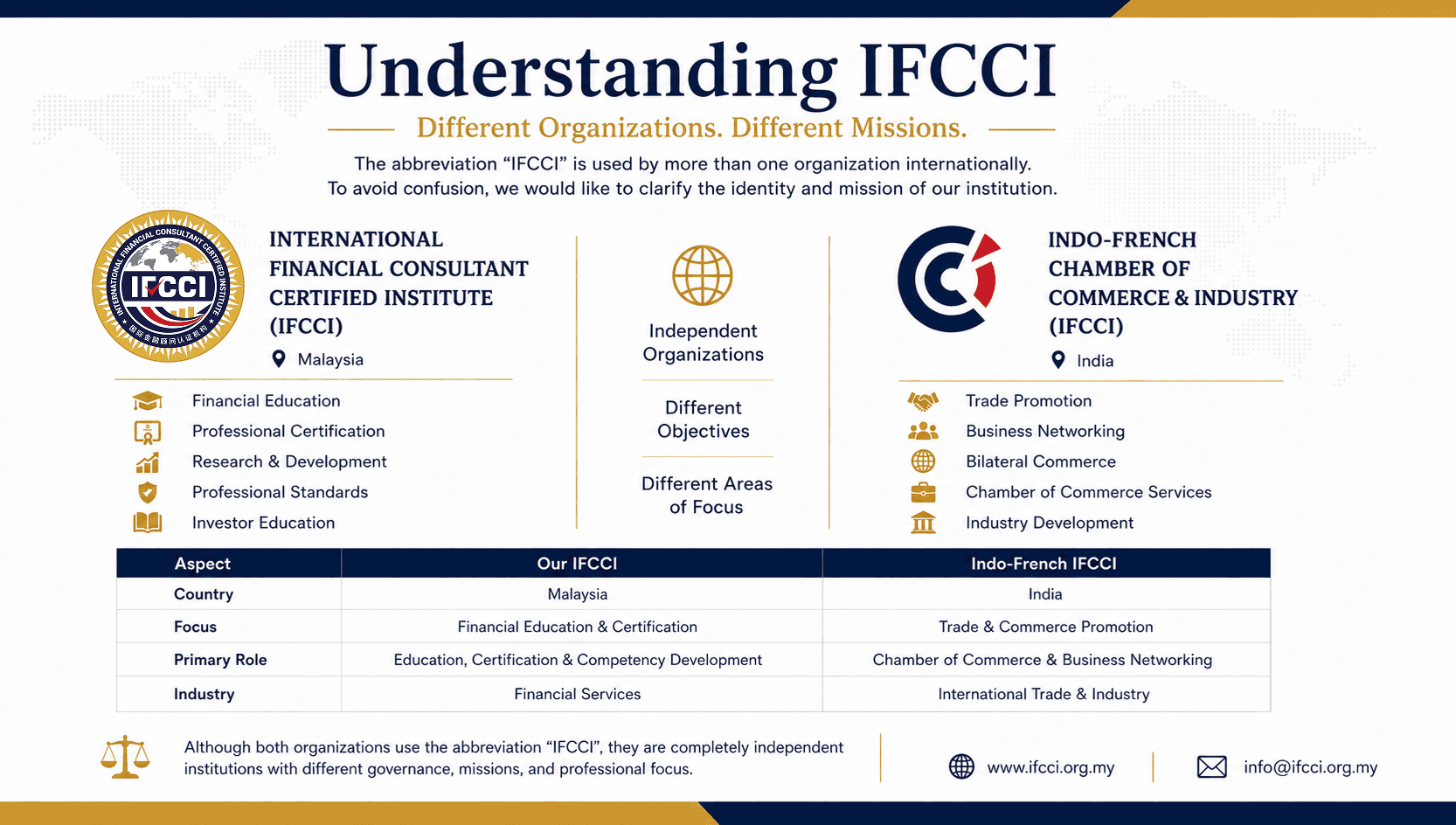
Understanding IFCCI: International Financial Consultant Certified Institute and Other Organizations Using the IFCCI Acronym
27 Jul 2026

Why International Financial Skills Championships Matter in Developing Global Financial Excellence
13 Jul 2026