
VivoPower Secures $19M, Taps XRP for Treasury Innovation
Executive Summary
The announcement that VivoPower International PLC has secured $19 million in expansion funding highlights an emerging convergence between blockchain-based treasury strategies and corporate finance. At the center of this development is XRP, a digital asset increasingly seen as a liquidity and cross-border settlement instrument for treasury optimization.
This report analyzes:
- Why VivoPower’s $19M expansion matters for XRP adoption.
- How corporate treasury management is evolving with blockchain assets.
- The broader implications for XRP’s role in institutional finance.
The Corporate Context: VivoPower’s Expansion
VivoPower, a global sustainable energy solutions company, has announced the securing of $19 million in treasury expansion funding, designed to:
- Accelerate clean energy project investments.
- Support infrastructure scale-up across key regions.
- Explore digital asset-based financing frameworks, with XRP identified as a liquidity tool for cross-border transactions.
This places VivoPower among a growing cohort of companies exploring crypto-treasury hybrid strategies, following in the footsteps of Tesla, MicroStrategy, and Square, but with a distinct focus on XRP’s institutional settlement layer.
XRP Treasury Push: Why It Matters
Unlike speculative crypto use cases, treasury applications of XRP align with three key institutional needs:
- Liquidity Management – XRP’s on-demand liquidity (ODL) allows real-time treasury optimization for cross-border settlements.
- Hedging & Diversification – Integrating XRP into treasury reserves provides diversification from fiat volatility.
- Operational Efficiency – Reducing costs in FX and global transaction flows.
The $19M raise gives VivoPower a testing ground for applying XRP-backed treasury solutions in real-world corporate finance.
The Shift in Treasury Management
Traditional treasury management relies heavily on:
- Bank overdraft facilities.
- Multi-currency reserves.
- Debt instruments.
The integration of digital assets like XRP signals a paradigm shift:
- From static reserves → to dynamic tokenized liquidity pools.
- From multi-day settlements → to instant cross-border finality.
- From fragmented fiat structures → to blockchain interoperability.
This marks the emergence of corporate blockchain treasury models, where assets like XRP complement—not replace—traditional finance.
The Ripple Effect: Broader Implications
If VivoPower succeeds in deploying XRP-linked treasury functions, the implications extend across industries:
- Renewable Energy Finance – Tokenized project bonds backed by crypto liquidity.
- Corporate Debt Optimization – Use of blockchain to reduce cost of capital.
- Institutional Adoption – Reinforcement of XRP’s positioning beyond retail speculation.
- ESG & Sustainability Finance – Blockchain treasury frameworks aligned with sustainable investment principles.
Market Impact & Investor Outlook
For XRP Holders:
This development enhances XRP’s corporate credibility, adding a non-speculative use case that could increase long-term demand.
For Investors:
Defense and renewable energy equities may see valuation tailwinds, especially companies experimenting with blockchain financing.
For Policy Makers:
The case raises questions on regulatory frameworks for corporate blockchain treasuries, particularly concerning:
- Accounting standards.
- Capital adequacy rules.
- Cross-border compliance.
Conclusion: XRP Treasury Push as a Structural Trend
The VivoPower $19M expansion is more than a corporate financing event—it is a signal of the structural evolution in treasury management. With XRP as a liquidity bridge, corporates can unlock new efficiencies in capital allocation, cross-border payments, and financial risk management.
As adoption spreads, crypto treasury integration could redefine how global enterprises finance growth, manage liquidity, and hedge risk in the digital economy.
Related Articles

What Does IFCCI Do? Advancing Financial Education, Certification and Research
7 Aug 2026
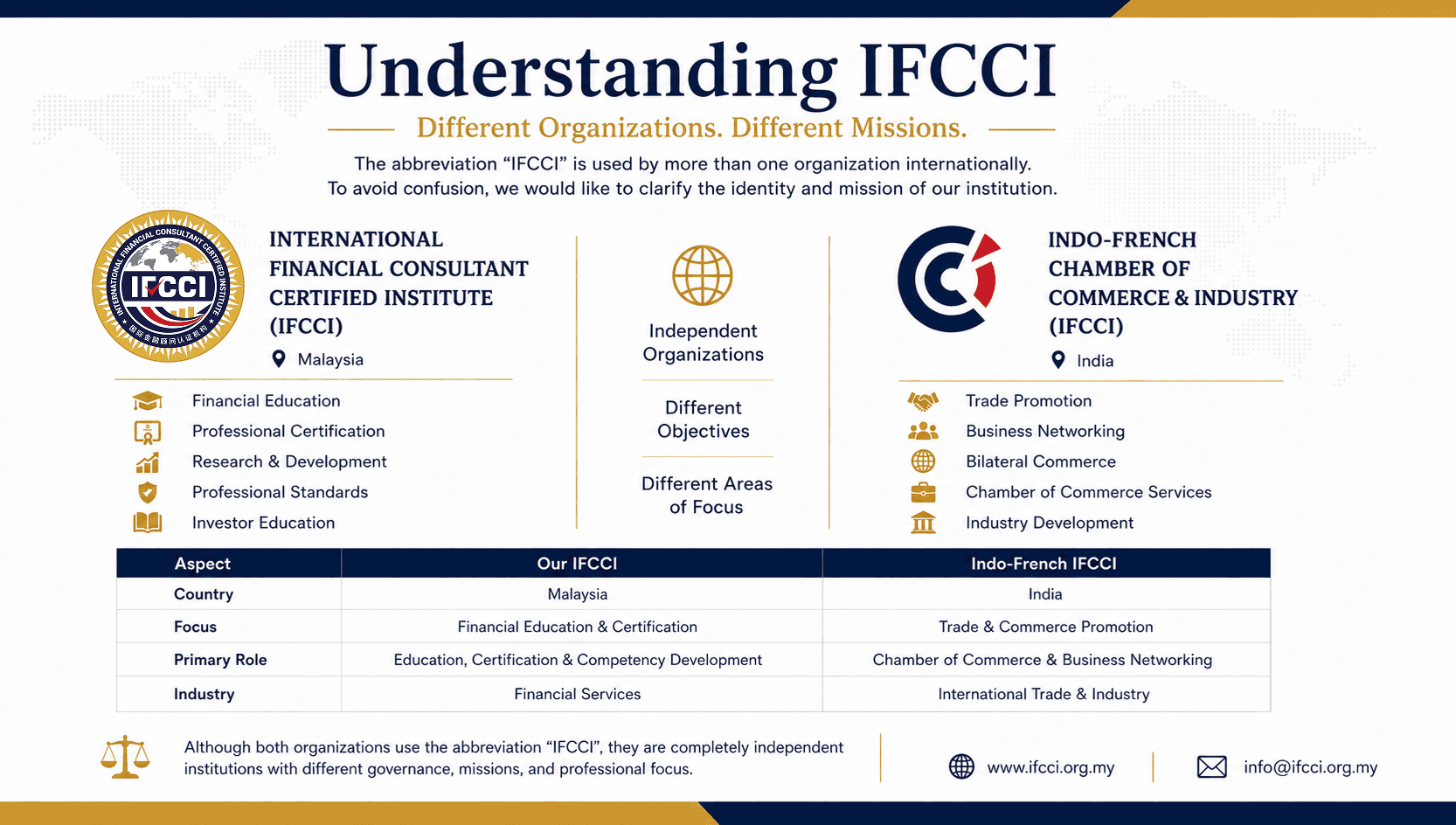
Understanding IFCCI: International Financial Consultant Certified Institute and Other Organizations Using the IFCCI Acronym
27 Jul 2026

Why International Financial Skills Championships Matter in Developing Global Financial Excellence
13 Jul 2026