
USTR Highlights Trade Barriers Amid Widening India Deficit
The United States Trade Representative (USTR) has highlighted a significant expansion in the U.S. trade deficit with India, attributing the widening gap to persistent trade barriers. This development underscores ongoing challenges in the economic relationship between the two nations.
According to the USTR’s assessment, the trade deficit with India is projected to have surged by 27% in 2025. This notable increase signals a growing imbalance in the flow of goods and services, drawing attention from U.S. trade authorities. The USTR’s report specifically points to a range of obstacles that impede American exports from accessing the Indian market effectively.
Among the primary concerns are high tariffs, which directly elevate the cost of imported goods. These tariffs can render U.S. products less competitive compared to domestically produced alternatives or goods from countries with more favorable trade agreements. Such duties act as a significant disincentive for American businesses aiming to expand their footprint in India, one of the world’s rapidly growing major economies.
In addition to tariffs, the USTR also cited non-tariff restrictions as contributing factors to the widening trade imbalance. These often include complex regulatory requirements, stringent local content rules, cumbersome import licensing procedures, and other administrative hurdles. Such non-tariff barriers can create substantial operational challenges and increase compliance costs for foreign businesses, effectively limiting market access even without direct taxes on imports.
The USTR’s role involves identifying and addressing foreign trade barriers that impact U.S. commerce, with the overarching goal of promoting fair and reciprocal trade practices globally. The act of “flagging” these barriers indicates a formal recognition of their impact and a potential precursor to further diplomatic or policy actions aimed at resolving these issues. The 27% increase in the deficit by 2025 highlights the scale of the challenge and the potential economic implications for both countries if these barriers persist without resolution.
This report underscores the ongoing need for constructive engagement between Washington and New Delhi. Addressing the structural issues contributing to the trade imbalance is crucial for fostering a more open and equitable trading environment. Resolving these barriers could facilitate greater market access for U.S. industries, potentially benefiting consumers and businesses in both the United States and India by reducing trade friction and promoting more balanced economic growth.
Related Articles

What Does IFCCI Do? Advancing Financial Education, Certification and Research
7 Aug 2026
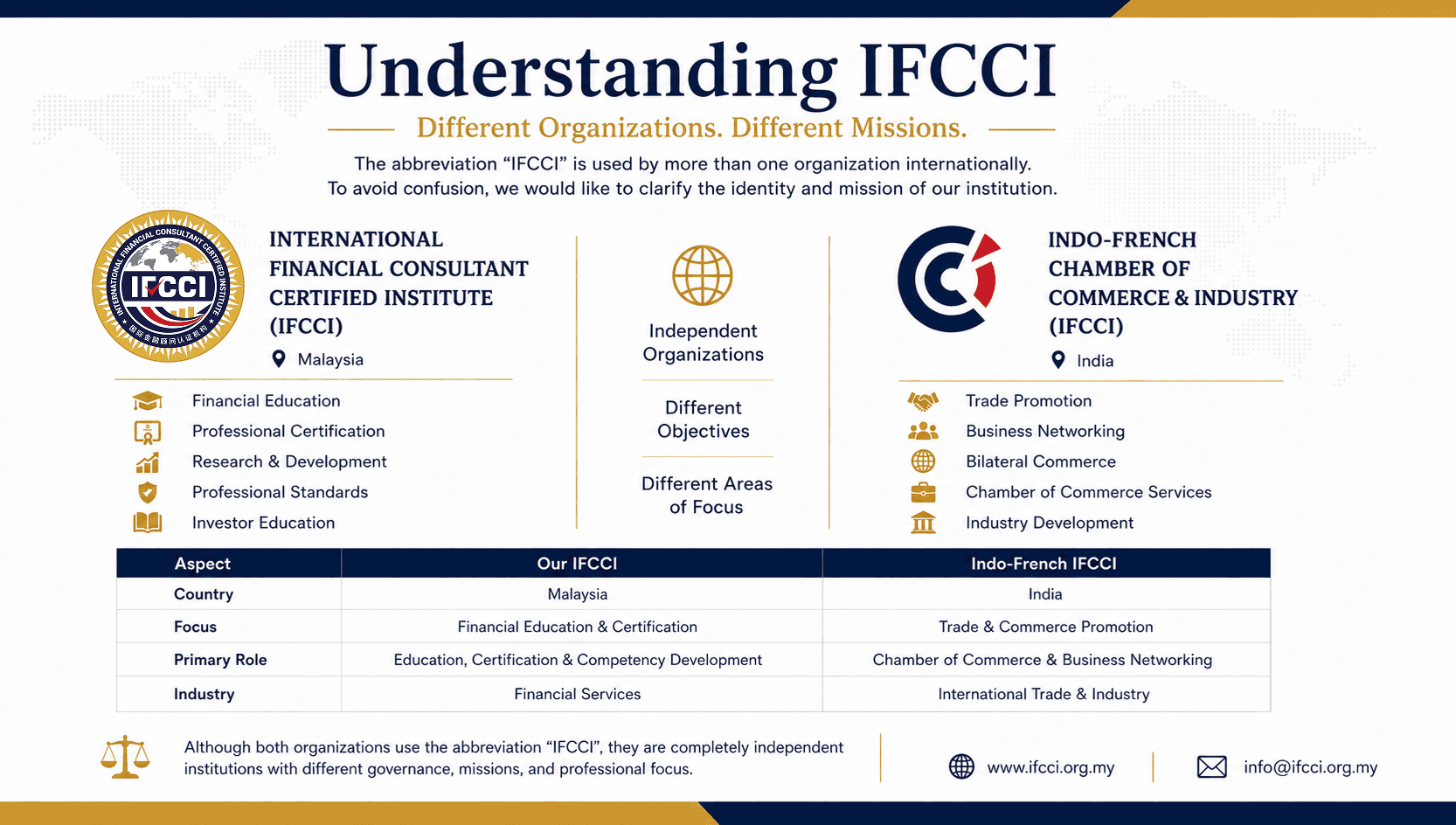
Understanding IFCCI: International Financial Consultant Certified Institute and Other Organizations Using the IFCCI Acronym
27 Jul 2026

Why International Financial Skills Championships Matter in Developing Global Financial Excellence
13 Jul 2026