
US Trafficker to 12 Years for Crypto
Federal Court Hands Down 12-Year Sentence
A US federal court has sentenced a New Jersey man to 12 years in prison for using Bitcoin to make payments to suppliers in China as part of a fentanyl trafficking operation, according to court filings and official statements.
The case underscores the increasing role of digital assets in cross-border criminal activity—and the growing capacity of law enforcement agencies to trace, prosecute, and dismantle such networks.
Bitcoin Use Central to Cross-Border Payments
Prosecutors stated that the defendant relied on Bitcoin to facilitate payments to overseas suppliers, citing the asset’s speed, borderless nature, and perceived anonymity as enabling factors.
Authorities emphasized, however, that:
- Blockchain transactions are traceable
- Digital asset usage does not shield participants from prosecution
- Cryptocurrency payment trails can be reconstructed through forensic analysis
The case reflects a broader enforcement trend targeting illicit uses of digital assets rather than the technology itself.
China-Based Supply Chain and US Enforcement Reach
According to court records, the suppliers involved were based in China, highlighting the transnational nature of the operation and the challenges posed by jurisdictional boundaries.
US agencies worked across multiple enforcement and intelligence channels to:
- Identify transaction flows
- Link on-chain activity to real-world actors
- Build evidence sufficient for criminal conviction
The outcome demonstrates expanded international cooperation in tackling digital-asset-enabled crime.
Legal Implications for Crypto-Related Crime
The 12-year sentence signals that courts are willing to impose severe penalties when digital assets are used to facilitate serious criminal offences.
Legal experts note that:
- Cryptocurrency usage may be considered an aggravating factor when it enables scale or concealment
- Courts increasingly view digital payment tools as integral components of criminal enterprises
- Sentencing guidelines are evolving to reflect technological realities
This case adds to a growing body of jurisprudence linking crypto misuse to long-term incarceration.
Regulatory and Compliance Ramifications
The conviction is likely to reinforce regulatory momentum around:
- Know-your-customer (KYC) enforcement
- Transaction monitoring by exchanges and service providers
- Cross-border information sharing
Regulators continue to stress that crypto compliance frameworks must evolve in parallel with adoption to prevent exploitation by criminal actors.
Impact on Public Perception of Digital Assets
While illicit activity represents a small fraction of total crypto usage, high-profile cases such as this one tend to influence public and political perception disproportionately.
Policymakers are increasingly distinguishing between:
- Legitimate innovation in blockchain technology
- Criminal misuse of digital payment rails
This differentiation is shaping a more targeted regulatory approach rather than blanket restrictions.
IFCCI Assessment: Enforcement Capability Is Catching Up
The IFCCI Research Division assesses that this case illustrates a maturing enforcement environment rather than a failure of digital asset systems.
Key conclusions:
- Bitcoin transactions are not anonymous in practice
- Law enforcement capabilities in blockchain analysis have advanced significantly
- Criminal misuse increases regulatory scrutiny but does not invalidate legitimate crypto adoption
The ruling reinforces the message that digital assets do not provide immunity from prosecution.
Conclusion
The 12-year sentence handed to a New Jersey man for using Bitcoin to pay Chinese fentanyl suppliers marks a significant enforcement milestone in the intersection of cryptocurrency and serious crime.
As regulatory frameworks and investigative tools continue to evolve, cases like this demonstrate that the misuse of digital assets carries substantial legal consequences—while reinforcing the broader push toward responsible, compliant crypto adoption.
Related Articles

What Does IFCCI Do? Advancing Financial Education, Certification and Research
7 Aug 2026
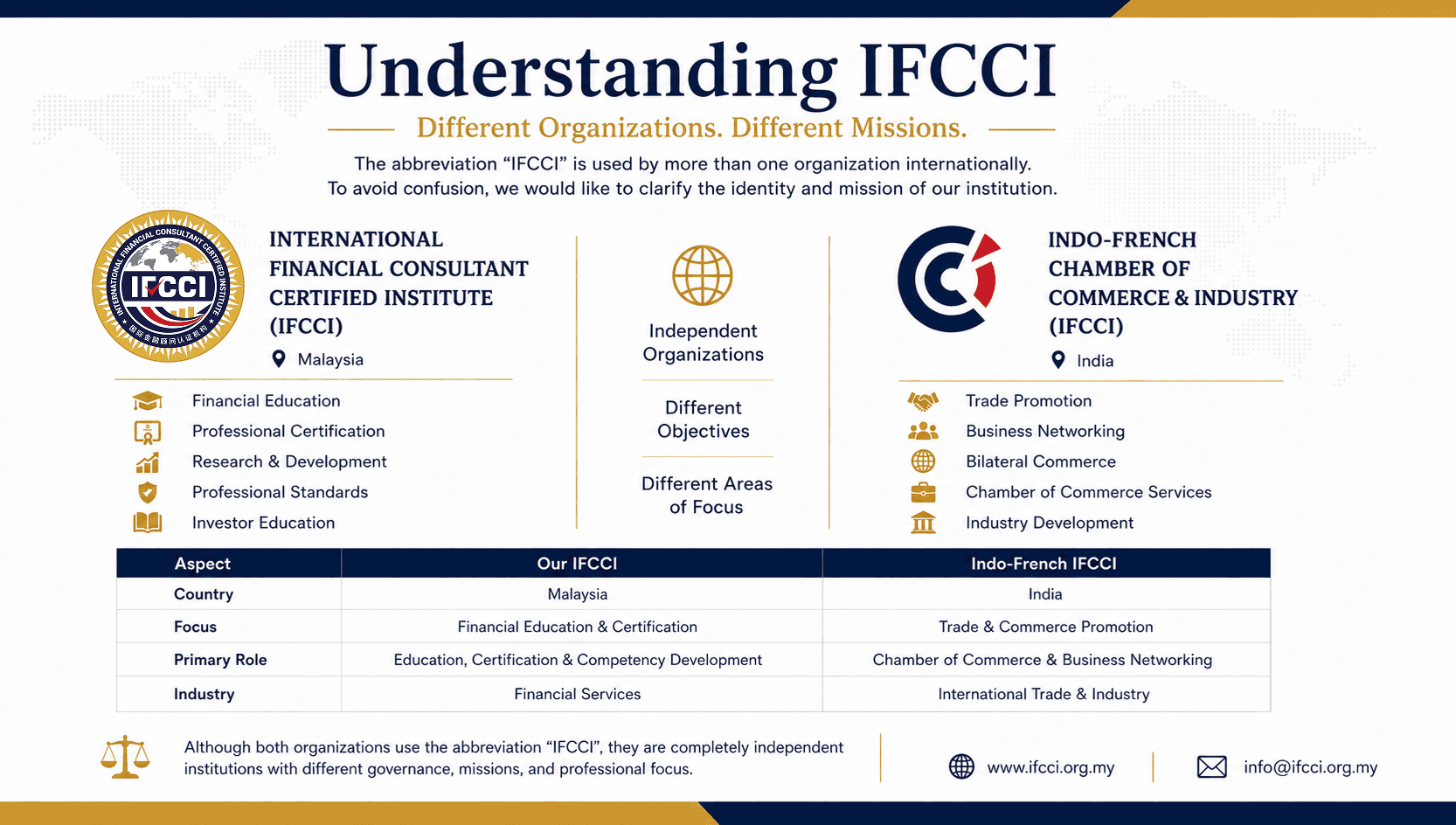
Understanding IFCCI: International Financial Consultant Certified Institute and Other Organizations Using the IFCCI Acronym
27 Jul 2026

Why International Financial Skills Championships Matter in Developing Global Financial Excellence
13 Jul 2026