
US Raid in Venezuela Constitutional and Foreign Policy Risks
Cato Institute Raises Alarm Over Legal and Strategic Implications
Scholars at the Cato Institute have issued a sharp warning regarding the recent US military raid in Venezuela, arguing that while the operation resulted in the removal of a widely condemned socialist dictatorship, it raises profound constitutional, legal, and foreign policy concerns.
According to Cato analysts, the outcome of the operation cannot be separated from the means by which it was conducted, particularly given the lack of clear congressional authorisation and the long-term risks associated with unilateral regime-change actions.
Constitutional Authority at the Centre of the Debate
Cato scholars emphasise that the US Constitution vests war-making powers primarily in Congress, not the executive branch. While presidents retain limited authority to act in emergencies, critics argue that the Venezuelan operation exceeded those bounds.
Key constitutional concerns highlighted include:
- Absence of a formal congressional authorisation for the use of force
- Expansion of executive military power without legislative oversight
- Risk of normalising unilateral intervention
Cato researchers warn that allowing such precedents to stand could erode constitutional checks and balances well beyond the Venezuela case.
Foreign Policy Risks Beyond the Immediate Outcome
From a foreign policy perspective, Cato scholars argue that even successful regime removal can generate unintended consequences. Venezuela’s political collapse, humanitarian crisis, and regional instability were already severe, but sudden leadership change through external force introduces new uncertainties.
Identified risks include:
- Power vacuums and internal factional conflict
- Regional destabilisation affecting Colombia, Brazil, and the Caribbean
- Increased anti-US sentiment across Latin America
- Precedents encouraging interventionist responses elsewhere
The scholars caution that short-term strategic gains may be outweighed by longer-term diplomatic and security costs.
Moral Clarity Versus Legal Constraint
Cato analysts acknowledge that the ousted Venezuelan regime was responsible for extensive human rights abuses, economic mismanagement, and political repression. However, they stress that moral condemnation alone does not override constitutional or international legal constraints.
The central argument advanced is that:
“Removing a brutal regime does not automatically legitimise the method used, particularly when constitutional authority and international norms are bypassed.”
This distinction, Cato argues, is essential to maintaining credibility in US foreign policy.
Implications for US Intervention Doctrine
The incident has reignited debate over the scope of US interventionism and the evolving interpretation of executive power in national security matters. Scholars warn that repeated reliance on executive action risks transforming exceptional measures into routine policy tools.
Cato researchers advocate:
- Reassertion of congressional war powers
- Clear legal thresholds for overseas military action
- Greater reliance on diplomacy, sanctions, and multilateral pressure
IFCCI Assessment: Strategic Success Does Not Eliminate Structural Risks
The IFCCI Research Division assesses that the Venezuelan operation illustrates a recurring tension in US policy between strategic outcomes and institutional discipline.
While the removal of an authoritarian regime may be welcomed by many observers, the broader implications for constitutional governance, alliance trust, and global norms remain unresolved.
From a financial and geopolitical stability perspective, sustained uncertainty in Venezuela and the region could:
- Increase sovereign risk perceptions
- Affect energy markets and regional capital flows
- Complicate long-term reconstruction and investment frameworks
Conclusion
Cato Institute scholars conclude that the US raid in Venezuela, despite achieving the removal of a brutal socialist dictatorship, raises serious constitutional and foreign policy concerns that cannot be ignored.
The episode underscores the need for clearer legal authority, stronger institutional oversight, and a more restrained approach to regime change—particularly in a global environment already marked by geopolitical fragmentation and declining trust in international norms.
Related Articles

What Does IFCCI Do? Advancing Financial Education, Certification and Research
7 Aug 2026
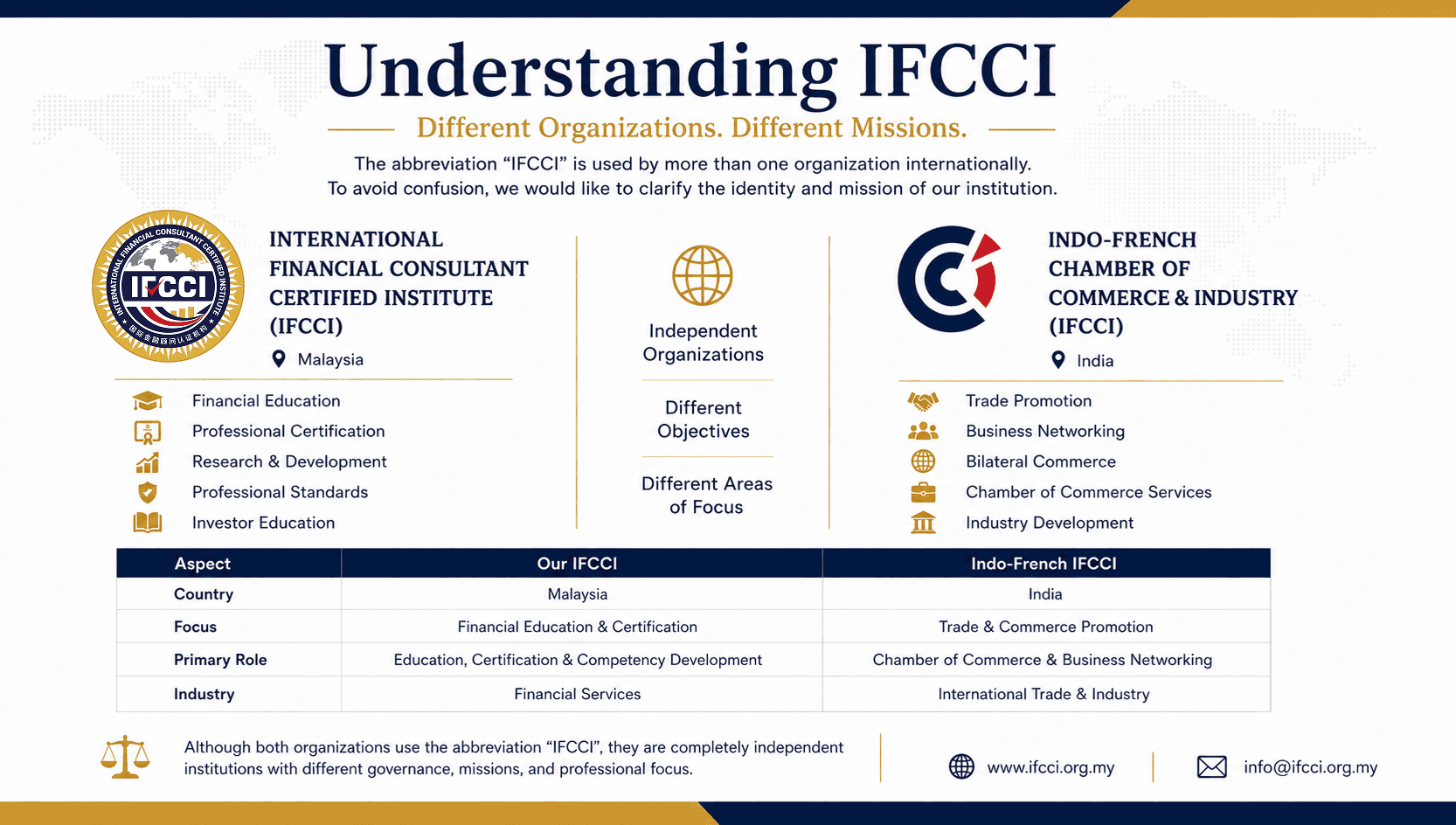
Understanding IFCCI: International Financial Consultant Certified Institute and Other Organizations Using the IFCCI Acronym
27 Jul 2026

Why International Financial Skills Championships Matter in Developing Global Financial Excellence
13 Jul 2026