UnityFXLive Broker Scam: How Over $350,000 Was Lost – Red Flags Explained
Introduction
UnityFXLive recently came under scrutiny after investors reported losses exceeding $350,000 due to fraudulent trading activities. This case highlights common red flags every trader should know to protect their investments.
What Happened with UnityFXLive?
UnityFXLive operated as an online forex broker promising high returns and easy withdrawals. However, numerous clients faced unexplained withdrawal denials, manipulated trading platforms, and poor customer support. Investigations revealed systematic fraud tactics designed to deceive investors.
Red Flags to Watch Out For
- Unregulated Broker: UnityFXLive lacks credible licensing from top financial authorities such as FCA UK or ASIC.
- Unrealistic Returns: Promises of guaranteed profits over 10% monthly.
- Withdrawal Issues: Delays, denials, or excuses when investors try to cash out.
- Aggressive Marketing: Pressure to invest more using bonuses or promotions.
- Opaque Fees and Policies: Hidden charges and unclear terms.
How to Protect Yourself from Forex Broker Scams
- Verify broker registration on official regulatory websites (FCA, ASIC, MAS).
- Avoid brokers promising guaranteed profits.
- Read user reviews and third-party reports carefully.
- Use demo accounts before real money trading.
- Stay updated on scam alerts via IFCCI’s certified advisory programs.
The Role of IFCCI in Forex Scam Awareness and Certification
At IFCCI, we provide comprehensive education and certification for financial consultants, helping you identify and avoid fraudulent schemes like UnityFXLive. Our Certified Financial Fraud Risk Consultant program equips professionals with the tools to detect red flags early and protect clients.
Conclusion
UnityFXLive’s $350,000+ scam underscores the critical importance of due diligence when choosing brokers. Awareness and professional certification remain the best defenses against such fraudulent schemes.
Related Articles

What Does IFCCI Do? Advancing Financial Education, Certification and Research
7 Aug 2026
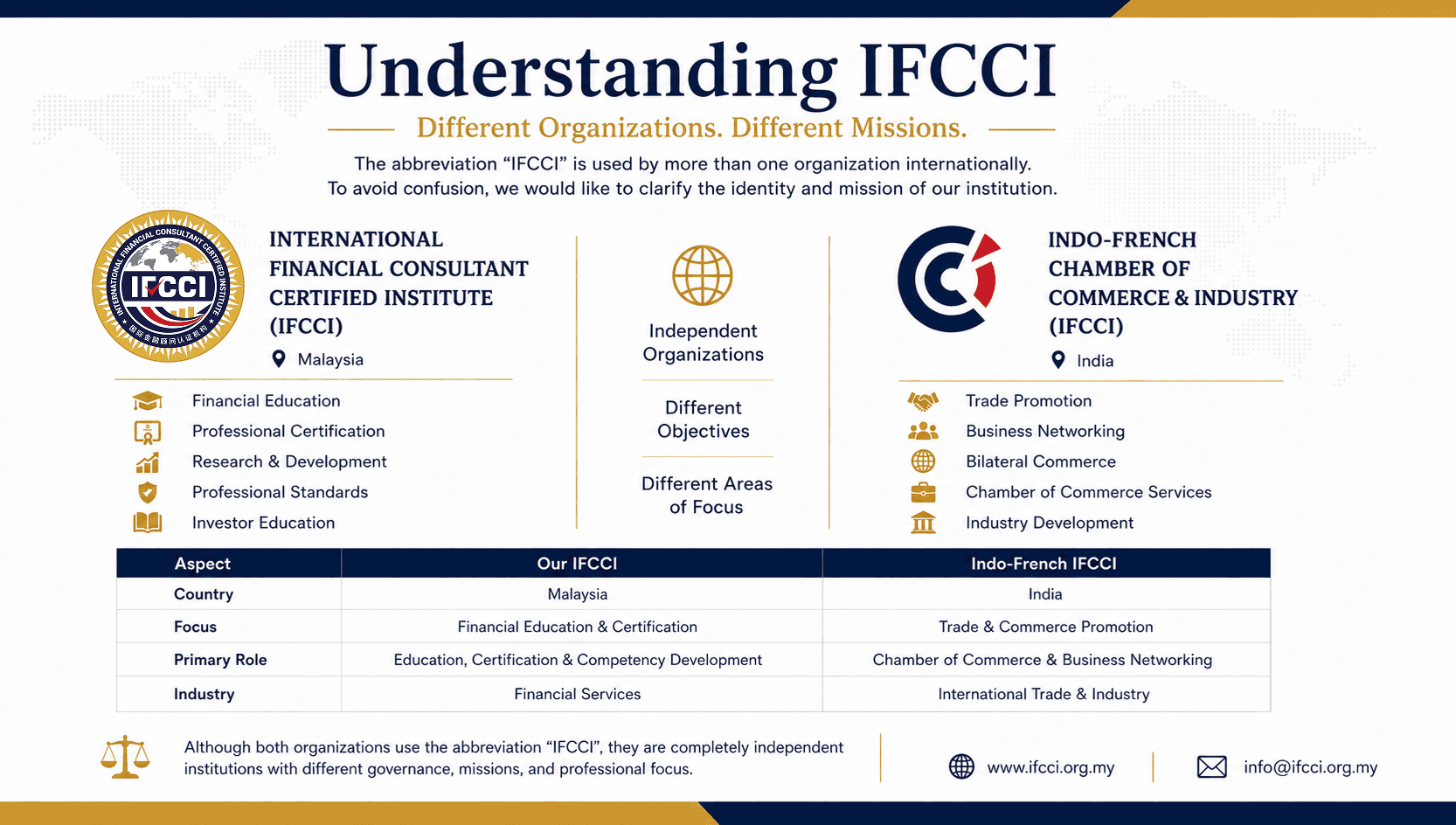
Understanding IFCCI: International Financial Consultant Certified Institute and Other Organizations Using the IFCCI Acronym
27 Jul 2026
Why International Financial Skills Championships Matter in Developing Global Financial Excellence
13 Jul 2026