
U.S. Price Pressures Contained as Disinflation Continues
Inflation Momentum Remains Contained
Recent economic data indicate that U.S. inflation is not reaccelerating in a meaningful way. While price pressures persist in select categories, broader inflation momentum appears stable rather than “taking flight.”
Headline and core measures continue to show gradual moderation compared with prior peak levels, suggesting that disinflationary forces remain intact.
Core Measures Provide Clearer Signal
Core inflation — which excludes food and energy — is often viewed as a better indicator of underlying price dynamics. Recent readings suggest:
- Services inflation remains elevated but stable
- Goods disinflation continues gradually
- Shelter components show signs of plateauing
This mix indicates an economy transitioning toward price normalisation rather than overheating.
Labour Market and Wage Dynamics
Wage growth remains firm but no longer accelerates at the pace seen during earlier recovery phases. Key developments include:
- Cooling job openings
- Moderating payroll growth
- Gradual rebalancing of labour supply and demand
While wage gains continue to support household consumption, they have not translated into renewed broad-based inflation pressure.
Implications for Federal Reserve Policy
For the Federal Reserve, stable inflation reduces urgency for further tightening. Policy implications may include:
- Maintaining current rate levels for longer
- Emphasising data dependence
- Avoiding premature rate cuts unless disinflation accelerates
Financial markets may interpret contained inflation as supportive for risk assets, provided growth remains stable.
Market Reaction
Equity markets typically respond positively to signs of moderating inflation, as it:
- Reduces interest-rate volatility
- Supports valuation multiples
- Stabilises bond yields
Bond markets may remain range-bound if inflation expectations remain anchored near long-term targets.
Risks to the Outlook
Despite current moderation, risks remain:
- Energy price volatility
- Supply chain disruptions
- Geopolitical tensions affecting commodities
- Reacceleration in wage-driven services inflation
These variables could alter the trajectory if they intensify.
IFCCI Assessment: Disinflation Intact, But Vigilance Required
The IFCCI Research Division assesses that U.S. inflation is currently stabilising rather than accelerating.
Key conclusions:
- Disinflationary momentum remains credible
- Structural wage-price spiral risks appear contained
- Policy stability likely unless new shocks emerge
While inflation is not “taking flight,” sustained monitoring remains essential given global uncertainty.
Conclusion
Current data suggest that U.S. inflation is moderating rather than reigniting. The absence of renewed acceleration reduces immediate policy pressure and supports financial market stability.
The inflation trajectory will remain central to the Federal Reserve’s 2026 strategy, but for now, price dynamics appear controlled rather than resurgent.
Related Articles

What Does IFCCI Do? Advancing Financial Education, Certification and Research
7 Aug 2026
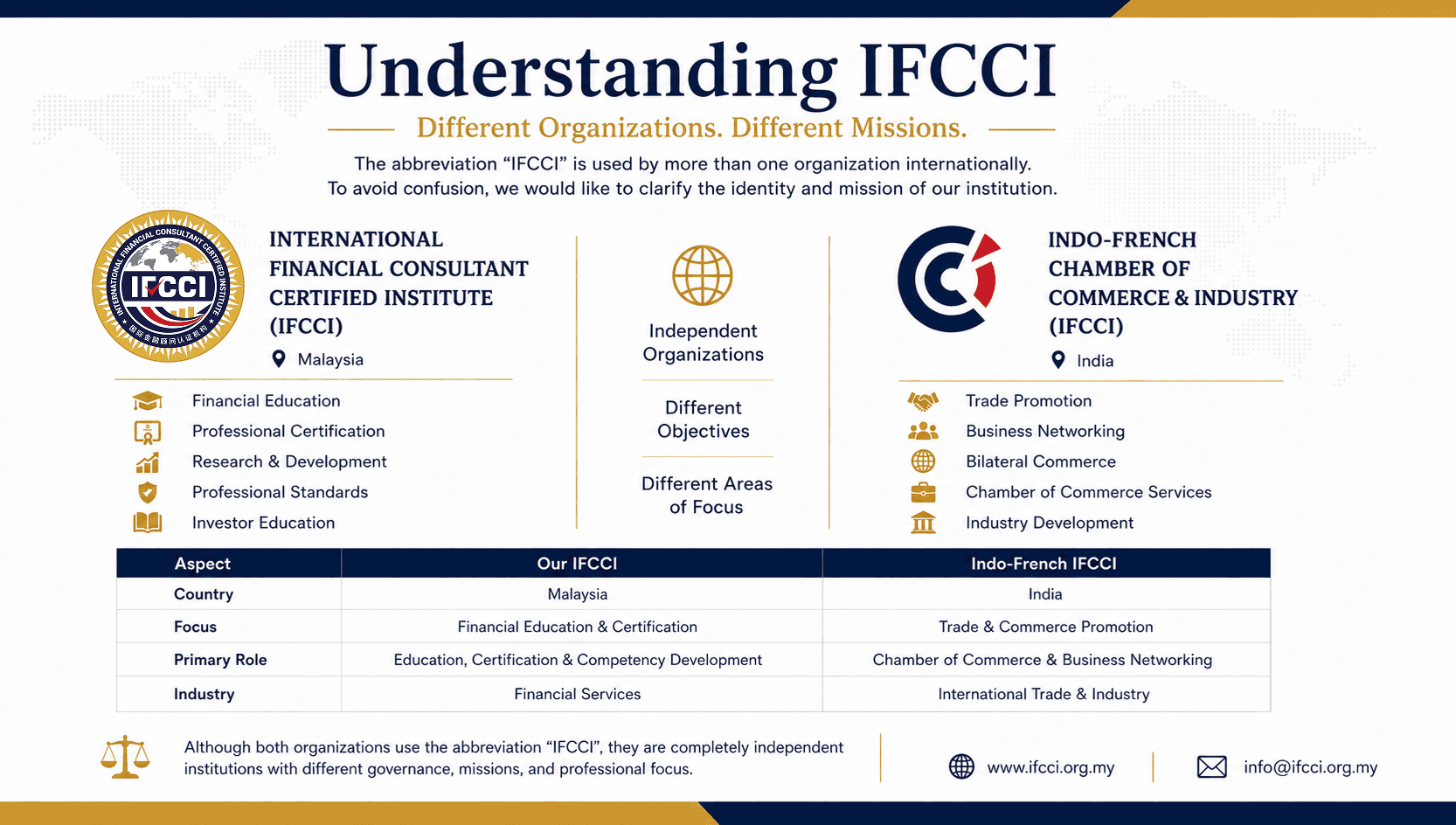
Understanding IFCCI: International Financial Consultant Certified Institute and Other Organizations Using the IFCCI Acronym
27 Jul 2026

Why International Financial Skills Championships Matter in Developing Global Financial Excellence
13 Jul 2026