
Let’s Talk Orders
“Would you like pips with that?”
Okay, not that kind of order.

In trading, an “order” is simply an instruction you give your broker—via the trading platform—to open or close a position once certain conditions are met.
In short, an order determines how you enter or exit a trade.
Types of Forex Orders
There are several types of forex orders, and not all brokers support every type. It’s important to know which ones your broker allows.
Orders fall into two main categories:
- Market Orders: Executed immediately at the best available price.
- Pending Orders: Placed to execute later, once the market hits a specific price.
Here’s a quick breakdown:
| Market Orders | Pending Orders |
|---|---|
| Buy / Sell | Buy Limit / Buy Stop |
| Sell Limit / Sell Stop |
Market Order
A market order buys or sells a currency pair at the current market price.
Example: EUR/USD is quoted at 1.2140 (bid) / 1.2142 (ask). If you buy at market, you’ll be filled at the ask: 1.2142.
It’s like Amazon’s 1-Click ordering—see a price you like? Click and it’s yours.
But keep in mind: market conditions can cause slippage. That means your order might be filled at a slightly different price than expected.
Limit Order
A limit order lets you buy below or sell above the current market price.
- Buy Limit: Buy at or below a set price.
- Sell Limit: Sell at or above a set price.
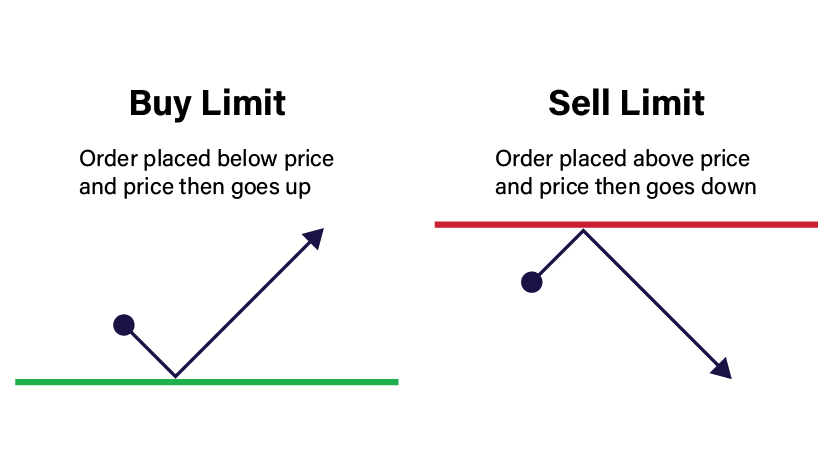
Example: EUR/USD is at 1.2050. You want to sell at 1.2070. You can either:
- Wait and manually sell at 1.2070, or
- Set a Sell Limit at 1.2070 and walk away.
The trade triggers automatically if the price reaches your limit.
💡Limit orders ensure you’re only filled at your desired price or better—but there’s a chance the price never gets there.
Stop Entry Order
A stop order activates only when price moves past a certain level.
- Buy Stop: Buy when price goes above the market.
- Sell Stop: Sell when price drops below the market.
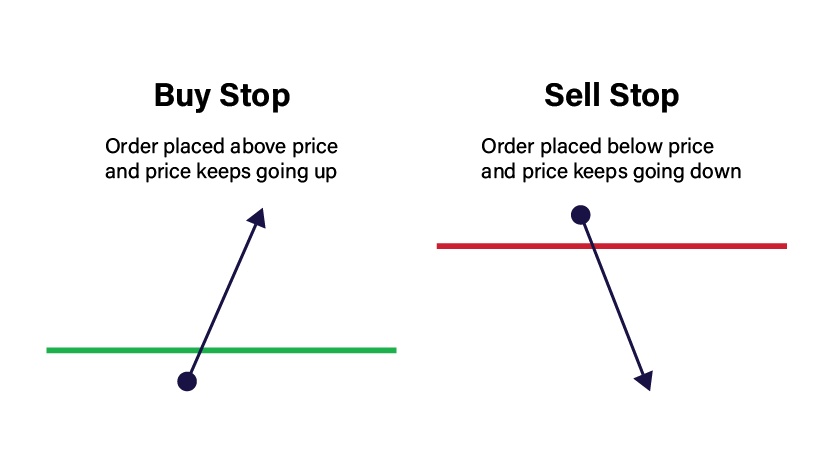
Example: GBP/USD is at 1.5050. You believe if it hits 1.5060, it’ll continue rising. Set a Buy Stop at 1.5060 to catch that breakout automatically.
🚨 Stop orders may execute at worse prices if the market moves quickly.
Stop Loss Order
A stop loss protects you from larger-than-expected losses.
- In a long trade: it’s a Sell Stop.
- In a short trade: it’s a Buy Stop.
Example: You buy EUR/USD at 1.2230 and set a stop loss at 1.2200. If the price drops, your trade closes automatically at or near 1.2200, locking in a 30-pip loss.
Stop losses are essential, especially when you can’t watch the market 24/7. Just note that they don’t guarantee an exact exit price—especially during high volatility.
Trailing Stop
A trailing stop follows the market in your favor, locking in profit as the price moves.
Example: You short USD/JPY at 90.80 with a 20-pip trailing stop.
- If the price drops to 90.60, your stop moves to 90.80.
- If it drops to 90.40, your stop moves to 90.60—locking in 20 pips.
Your stop never moves backward, only forward.
Stop vs. Limit Orders
Both stop and limit orders set price levels—but for different purposes:
- Stop Order: Triggers when price reaches or moves past your set price. It can fill at, above, or below the stop price.
- Limit Order: Executes only at your price or better—never worse.
Think of stop orders as triggers, and limit orders as price guarantees.
Special Orders
Time-in-Force (TIF) Orders
TIF tells the broker how long to keep an order active.
- GFD (Good for Day): Active until the trading day ends.
- GTC (Good ‘Til Canceled): Active until filled or canceled manually.
- IOC (Immediate or Cancel): Fill immediately, cancel any unfilled portion.
- FOK (Fill or Kill): Fill the entire order now, or cancel it entirely.
- GTD (Good Till Date): Active until a set future date.
Conditional Orders
OCO (One-Cancels-the-Other)
Place two linked orders: if one executes, the other cancels automatically.
Example: You set a buy order above resistance and a sell order below support. If one gets triggered, the other vanishes.
OTO (One-Triggers-the-Other)
One order becomes active only if a primary order is executed.
Example: You expect to sell at 1.2100, and once that happens, you want to set a profit target and a stop loss. Use an OTO to automate the entire sequence.
Note: Not all brokers offer these advanced order types.
Final Thoughts
Stick to the basics—market, limit, stop, stop loss, and trailing stop—until you’re confident.
To open trades:
- Buy Stop: Enter long above market.
- Sell Stop: Enter short below market.
- Buy Limit: Enter long below market.
- Sell Limit: Enter short above market.
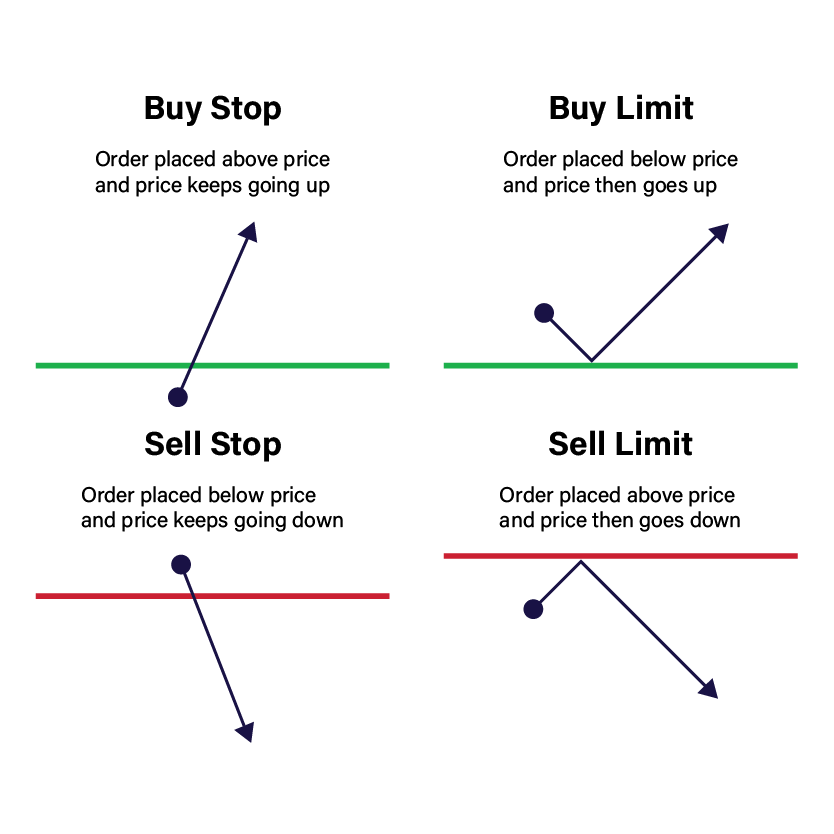
Limit orders may save you money, but they don’t guarantee execution.
Market orders get you in right away—but often at a slightly worse price.
Before you trade real money, practice extensively on a demo account and get comfortable with your broker’s platform.
Keep it simple. Know your tools. Trade smart.
Related Articles

What Does IFCCI Do? Advancing Financial Education, Certification and Research
7 Aug 2026
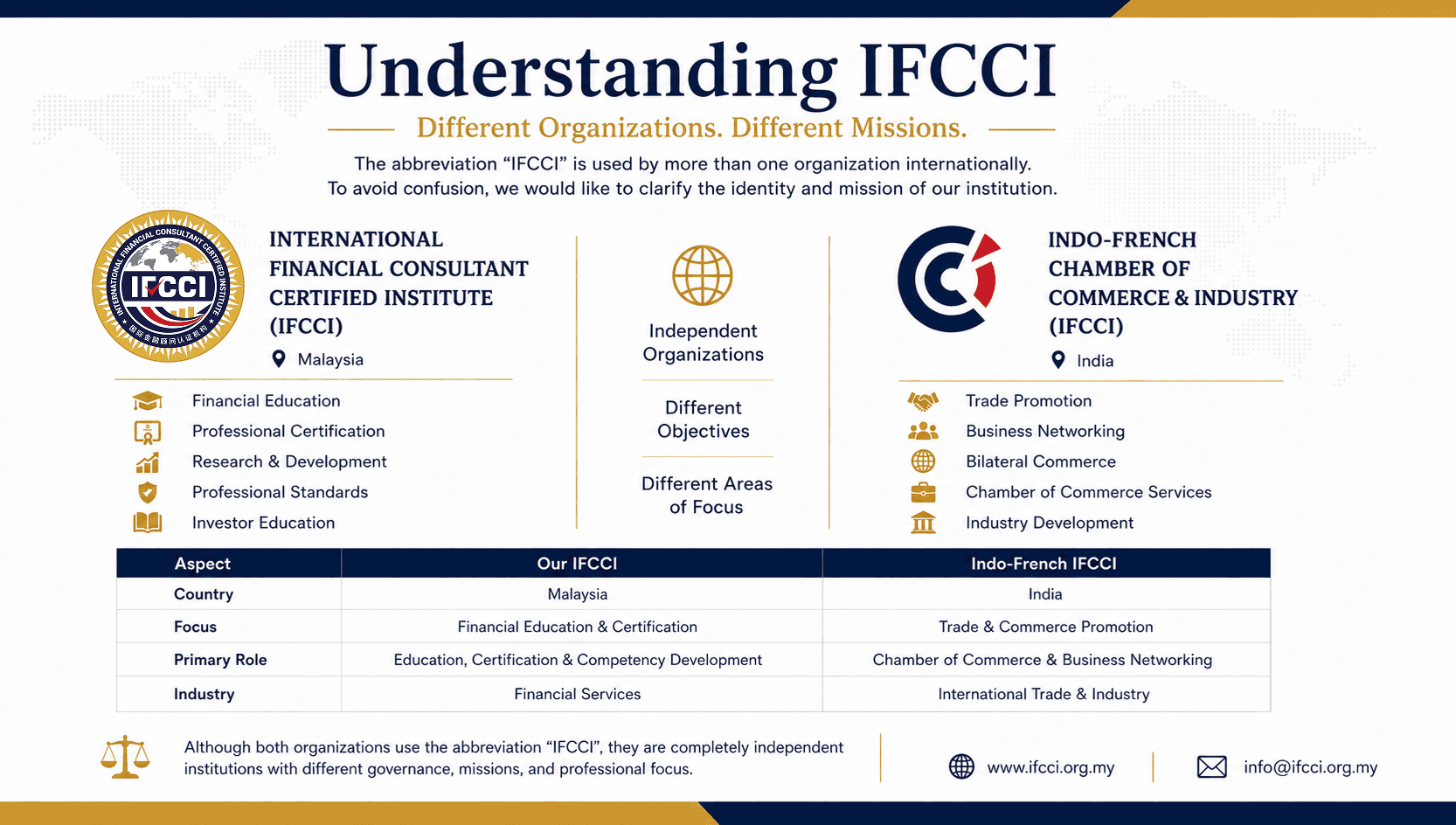
Understanding IFCCI: International Financial Consultant Certified Institute and Other Organizations Using the IFCCI Acronym
27 Jul 2026

Why International Financial Skills Championships Matter in Developing Global Financial Excellence
13 Jul 2026