Turkmenistan Legalises Cryptocurrency Mining
Turkmenistan Enacts Landmark Crypto Legislation
Turkmenistan has formally legalised cryptocurrency mining and trading following the adoption of a new national law governing digital assets. The legislation represents a significant policy shift for the energy-rich Central Asian state, which has historically maintained tight controls over financial activity and cross-border capital flows.
The new framework establishes legal recognition for cryptocurrency-related activities while outlining licensing, compliance, and oversight requirements.
Clear Legal Status for Mining and Trading Activities
Under the new law, cryptocurrency mining is permitted subject to registration and operational standards, including compliance with electricity usage regulations and reporting obligations. Trading of cryptocurrencies has also been legalised, with authorised platforms expected to operate within a regulated environment.
Authorities stated that the legislation aims to:
- Formalise previously unregulated crypto activities
- Improve transparency and state oversight
- Attract controlled foreign investment into the digital economy
The law does not designate cryptocurrencies as legal tender but recognises them as legally tradable digital assets.
Energy Considerations Central to Policy Design
Given Turkmenistan’s abundant natural gas resources and state-controlled energy sector, mining regulation is a central component of the new framework. Mining operations are expected to operate under energy allocation limits and pricing mechanisms set by state authorities.
Policy analysts noted that the government appears focused on preventing strain on domestic energy supply while monetising excess generation capacity through regulated industrial use.
Regulatory Oversight and Compliance Framework
The legislation assigns supervisory responsibility to designated government agencies, which will oversee licensing, taxation, anti-money laundering (AML), and counter-terrorism financing (CTF) compliance.
Key provisions include:
- Mandatory registration of mining operators and exchanges
- Transaction monitoring and reporting requirements
- Restrictions on unlicensed or offshore platforms serving domestic users
These measures align Turkmenistan’s approach more closely with emerging international regulatory standards.
Regional Context: Central Asia’s Evolving Crypto Stance
Turkmenistan’s move follows a broader trend across Central Asia, where governments are increasingly seeking to regulate rather than prohibit digital asset activity. Neighbouring jurisdictions have experimented with varying degrees of mining regulation, taxation, and state participation.
Analysts view Turkmenistan’s decision as pragmatic, reflecting growing recognition that outright bans are difficult to enforce and may drive activity underground.
Market Impact Expected to Be Gradual
Despite the significance of the legal shift, market participants expect adoption to be gradual. Infrastructure limitations, capital controls, and regulatory capacity may constrain rapid expansion of mining or trading activity in the near term.
However, legal clarity reduces operational risk and may encourage selective participation from regional operators willing to comply with local requirements.
IFCCI Assessment: Strategic but Cautious Liberalisation
The IFCCI Research Division assesses that Turkmenistan’s legalisation of cryptocurrency mining and trading represents a strategic, state-controlled liberalisation rather than a full embrace of decentralised finance.
By prioritising registration, energy control, and compliance, authorities appear focused on harnessing economic benefits while maintaining macroeconomic and financial stability.
Conclusion
Turkmenistan’s new law legalising cryptocurrency mining and trading marks a notable evolution in its financial and digital asset policy. While tightly regulated, the framework provides long-awaited legal certainty and signals a willingness to engage with the global digital economy under controlled conditions.
The effectiveness of the policy will ultimately depend on enforcement, regulatory transparency, and the balance between state oversight and market incentives.
Related Articles

What Does IFCCI Do? Advancing Financial Education, Certification and Research
7 Aug 2026
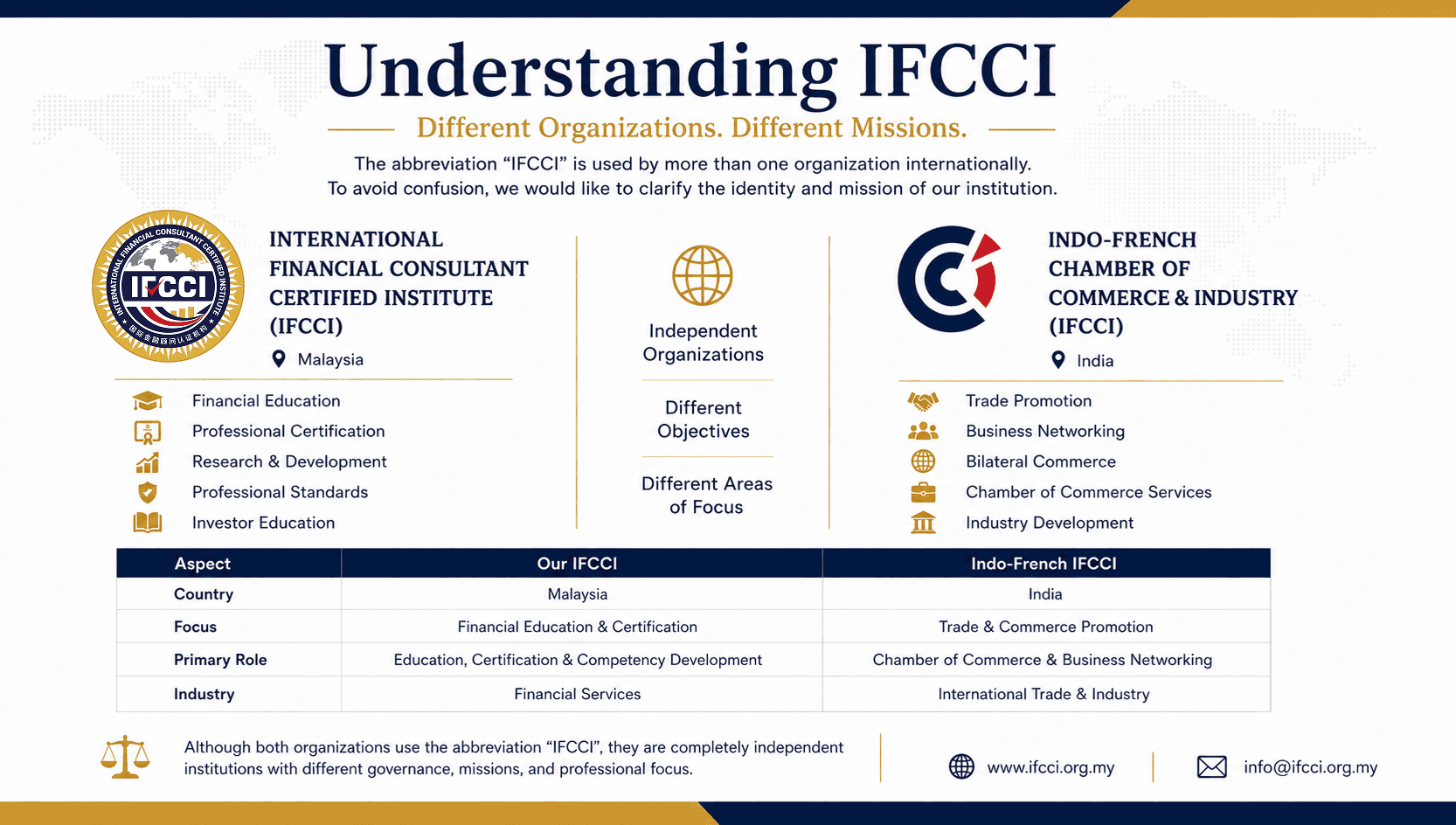
Understanding IFCCI: International Financial Consultant Certified Institute and Other Organizations Using the IFCCI Acronym
27 Jul 2026

Why International Financial Skills Championships Matter in Developing Global Financial Excellence
13 Jul 2026