
Trump’s Trade Disruptions Markets, Uncertainty into 2026
Trump Shook Up Global Trade This Year; Some Uncertainty May Persist in 2026
Global trade flows were significantly disrupted this year as former US President Donald Trump’s renewed trade rhetoric and policy signals reignited protectionist concerns, reshaping market expectations and corporate strategies worldwide. While some immediate shocks have been absorbed, economists and investors warn that trade-related uncertainty may extend well into 2026.
Throughout the year, Trump’s comments on tariffs, supply chain realignment and “America-first” trade priorities unsettled global markets, particularly export-oriented economies in Asia and Europe. Sectors such as manufacturing, semiconductors, autos and commodities experienced heightened volatility as companies reassessed cross-border exposure and sourcing risks.
Analysts note that while no sweeping tariff regime has yet materialised, the renewed emphasis on trade leverage has already influenced corporate decision-making. Multinational firms have accelerated diversification strategies, including nearshoring and “China-plus-one” supply chain models, to mitigate potential disruptions.
Trade-sensitive emerging markets have been among the most exposed. Currencies, equity markets and capital flows in several Asian economies reacted sharply at various points, reflecting investor caution over the longer-term implications for global demand and investment confidence.
Looking ahead to 2026, economists expect trade uncertainty to persist, even if headline risks moderate. Policy unpredictability, geopolitical fragmentation and the continued use of trade as a strategic tool could weigh on long-term planning, particularly for industries reliant on stable cross-border frameworks.
At the same time, some analysts argue that markets are becoming more resilient. Businesses are increasingly factoring geopolitical risk into pricing, investment and logistics decisions, reducing the likelihood of abrupt disruptions compared with earlier trade conflicts.
Nevertheless, uncertainty remains a key theme. With global growth already facing pressure from tighter financial conditions and geopolitical tensions, sustained ambiguity over trade policy could act as a drag on investment and productivity gains in the coming years.
For policymakers and investors alike, the challenge will be navigating an environment where trade stability can no longer be taken for granted, and where policy signals — even without immediate action — can have far-reaching economic consequences.
Related Articles

What Does IFCCI Do? Advancing Financial Education, Certification and Research
7 Aug 2026
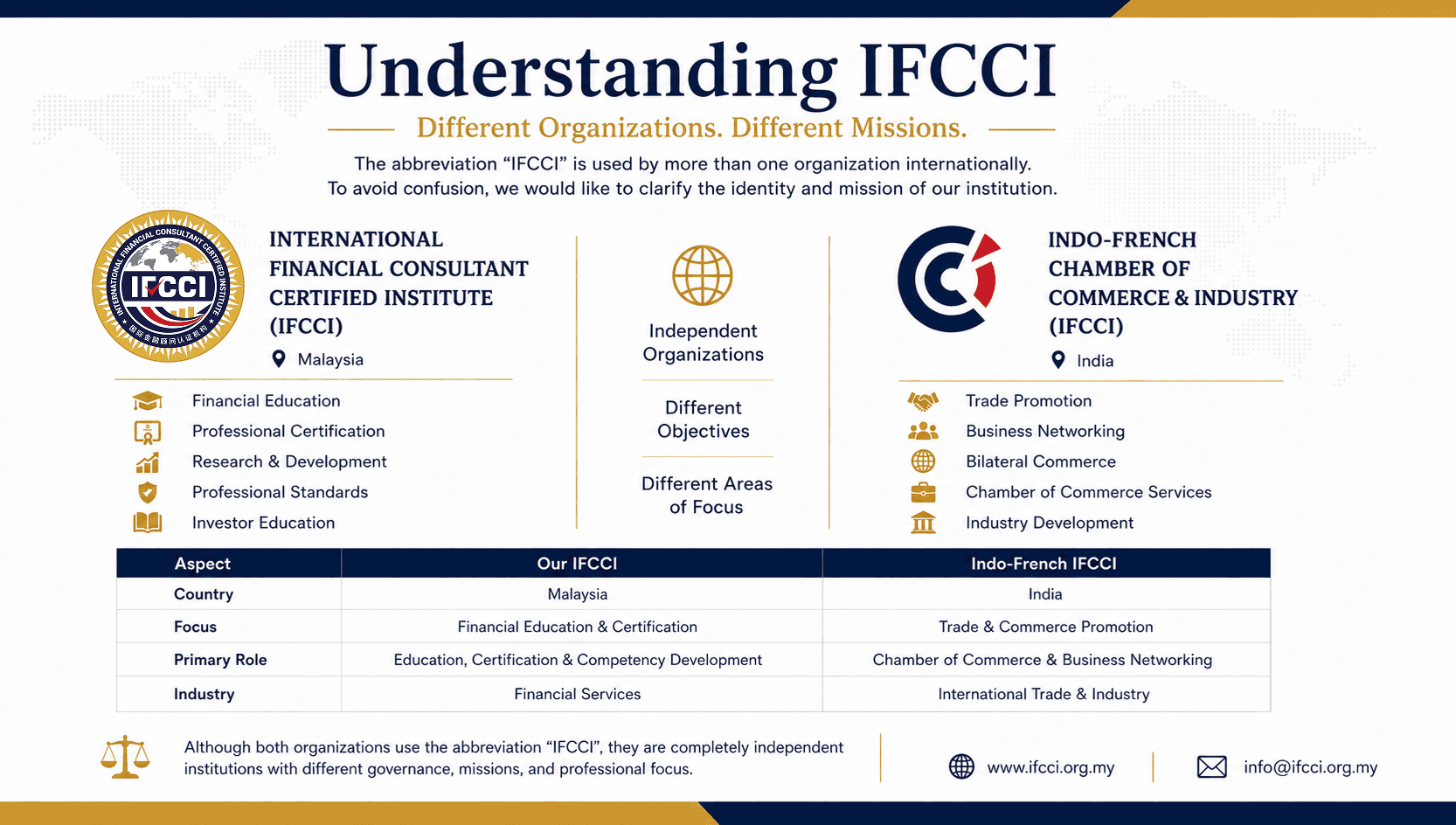
Understanding IFCCI: International Financial Consultant Certified Institute and Other Organizations Using the IFCCI Acronym
27 Jul 2026
Why International Financial Skills Championships Matter in Developing Global Financial Excellence
13 Jul 2026