
Trump Risks Fed Independence, Markets Fear Fallout
Trump is Playing with Fire by Messing with the Fed
Introduction
Former U.S. President Donald Trump has reignited one of the most sensitive debates in global financial markets: the independence of the Federal Reserve (Fed). His recent remarks and proposals—ranging from pressuring the central bank on interest rate decisions to suggesting political oversight of monetary policy—have sparked concerns among economists, investors, and policymakers. Critics warn that such interference risks undermining market confidence, weakening the U.S. dollar, and destabilizing global financial stability.
Trump’s Renewed Pressure on the Fed
Trump has long been vocal about his dissatisfaction with the Fed’s decisions. During his presidency, he repeatedly criticized then-Fed Chair Jerome Powell for not cutting rates quickly enough. Now, with the possibility of returning to the White House in 2025, Trump has once again floated ideas of bringing the central bank more directly under political influence.
His proposals reportedly include:
- Giving the White House greater input into Fed interest rate policy.
- Reshaping the Federal Open Market Committee (FOMC) decision-making process.
- Considering loyalty as a factor in appointing top Fed officials.
Such ideas, while appealing to political allies, represent a direct challenge to the Fed’s decades-old independence, a cornerstone of U.S. economic credibility.
Why Fed Independence Matters
The Federal Reserve’s independence from political pressure is widely viewed as essential to maintaining price stability and investor trust. History shows that when politicians manipulate central banks for short-term gain, long-term economic damage often follows—examples include inflation spirals in emerging markets and currency crises triggered by loss of confidence.
Economists argue that:
- Short-term interference could lead to artificially low rates, overheating the economy.
- Long-term credibility damage might push investors to demand higher yields on U.S. debt.
- Global ripple effects could destabilize emerging markets tied to the U.S. dollar.
Market Reactions
Financial markets are highly sensitive to signals of political intrusion into the Fed:
- Bond Market: U.S. Treasury yields could rise if investors price in additional risk premium on American debt.
- U.S. Dollar: Dollar strength may falter if global investors lose confidence in the Fed’s independence.
- Equities: Stock markets may initially welcome looser monetary policy but could face volatility if inflation expectations surge.
Some analysts note that Trump’s rhetoric may be more political theater than actual policy, but even talk of Fed manipulation can unsettle investors.
Global Implications
The Fed is not just America’s central bank—it is the de facto global lender of last resort. Its policies influence global capital flows, trade finance, and currency stability. If political interference undermines its credibility, countries around the world could face:
- More volatile currency swings.
- Higher borrowing costs tied to U.S. yields.
- Increased demand for alternatives to the U.S. dollar in global reserves.
Expert Opinions
Economists and policymakers have been quick to warn against Trump’s approach.
- Mohamed El-Erian, chief economic adviser at Allianz, recently argued that “tampering with central bank independence would be one of the most damaging economic mistakes.”
- Former Fed officials stress that political pressure erodes the Fed’s ability to take tough but necessary measures to curb inflation.
In contrast, Trump allies argue that the Fed has become “too powerful and unaccountable” and that some oversight is warranted.
Conclusion
Trump’s renewed focus on the Fed raises serious concerns for financial markets and economic policy. While political leaders have long voiced frustration with central banks, turning such rhetoric into policy would mark a dramatic break from tradition—one that could put U.S. financial stability, the dollar’s dominance, and global market confidence at risk.
In the eyes of critics, Trump may be “playing with fire”—and the flames could spread well beyond America’s borders.
Related Articles

What Does IFCCI Do? Advancing Financial Education, Certification and Research
7 Aug 2026
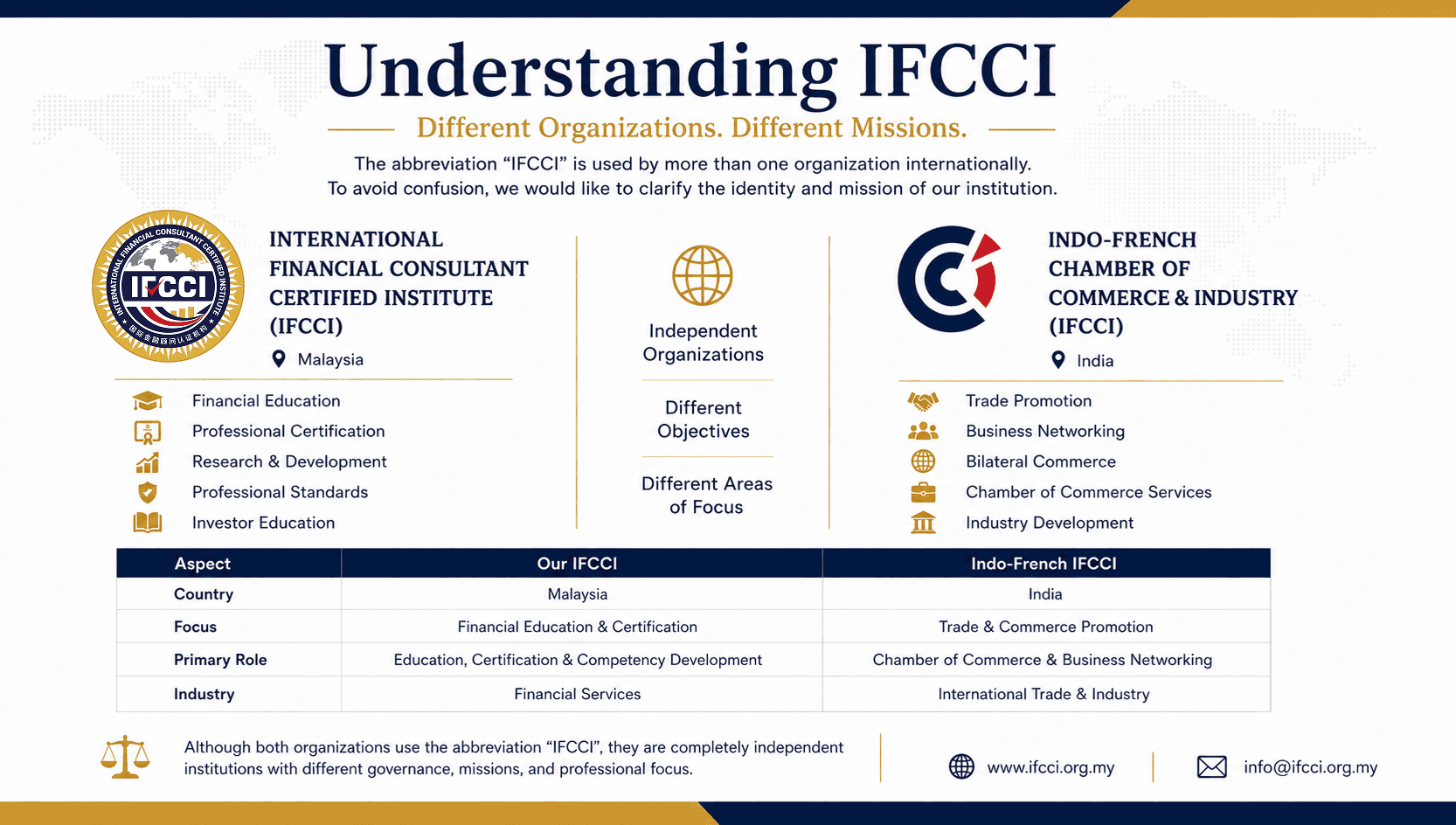
Understanding IFCCI: International Financial Consultant Certified Institute and Other Organizations Using the IFCCI Acronym
27 Jul 2026

Why International Financial Skills Championships Matter in Developing Global Financial Excellence
13 Jul 2026