
Trump Revives Tariff Threats Ahead of August 1 Deadline, Fueling Global Trade Tensions
President Donald Trump has intensified his protectionist trade agenda by issuing sweeping new tariff threats just weeks before the crucial August 1 deadline. In a flurry of diplomatic moves, the administration has sent over 20 formal warnings to foreign governments, demanding trade agreements or facing steep import duties.
Originally announced in April 2025, Trump’s tariff plan included a 10% base levy and additional duties of up to 50% on various imported goods. Although initial implementation was delayed due to market backlash, the expiration of the 90-day reprieve has prompted a full revival of the plan. Unless new trade deals are secured, the tariffs are scheduled to take effect in early August—raising alarm across global markets.
Global Allies Scramble as Tariff Threats Mount
Nations around the world are racing to negotiate with the U.S. before the looming deadline. Canada, despite ongoing discussions, is facing a potential 35% tariff. Japan, South Korea, and Southeast Asian economies have also received warnings of upcoming tariffs of at least 25%.
Even Brazil, which runs a trade deficit with the U.S., was hit with tariff threats—prompting sharp criticism from President Lula da Silva. Meanwhile, the European Union is bracing for a possible 50% tariff on its exports. Talks of a last-minute framework deal between the U.S. and EU are reportedly underway to deescalate tensions.
Sector-Specific Tariffs Add to Market Jitters
Beyond country-wide levies, the Trump administration has also targeted specific industries. A proposed 200% tariff on imported pharmaceuticals has shocked healthcare providers, while a 50% tariff on copper—set to begin August 1—is expected to impact sectors such as defense, automotive, and electronics. Following the announcement, U.S. copper prices surged on fears of supply shortages.
According to Treasury Secretary Scott Bessent, customs revenues hit $27.2 billion in June 2025, quadrupling year-over-year. With over $100 billion already collected this fiscal year, tariffs have become the fourth-largest U.S. revenue source—surpassed only by personal and corporate taxes. Projections suggest tariff revenues could reach $300 billion by year’s end, especially after the copper duties and other measures are fully enforced.
Economic Risks Shadow Short-Term Revenue Gains
Although President Trump has touted market resilience and record stock highs as a sign of success, many economists warn that overreliance on tariff income is unsustainable. Businesses may restructure operations to dodge duties, ultimately reducing future revenue. Moreover, the tariffs risk disrupting supply chains, increasing production costs, and triggering retaliatory measures from affected nations.
U.S. Secretary of State Marco Rubio is currently visiting Asia in an effort to smooth relations and promote “fairer deals” with key partners. Yet skepticism runs high—evident in Malaysian Prime Minister Anwar Ibrahim’s public denouncement of the tariffs during the ASEAN Foreign Ministers’ Meeting.
As Trump’s tariff threats dominate headlines and trade partners rush to respond, the August 1 deadline looms large. Whether diplomacy prevails or a full-scale trade conflict unfolds, the global economic landscape may soon face serious consequences.
Related Articles

What Does IFCCI Do? Advancing Financial Education, Certification and Research
7 Aug 2026
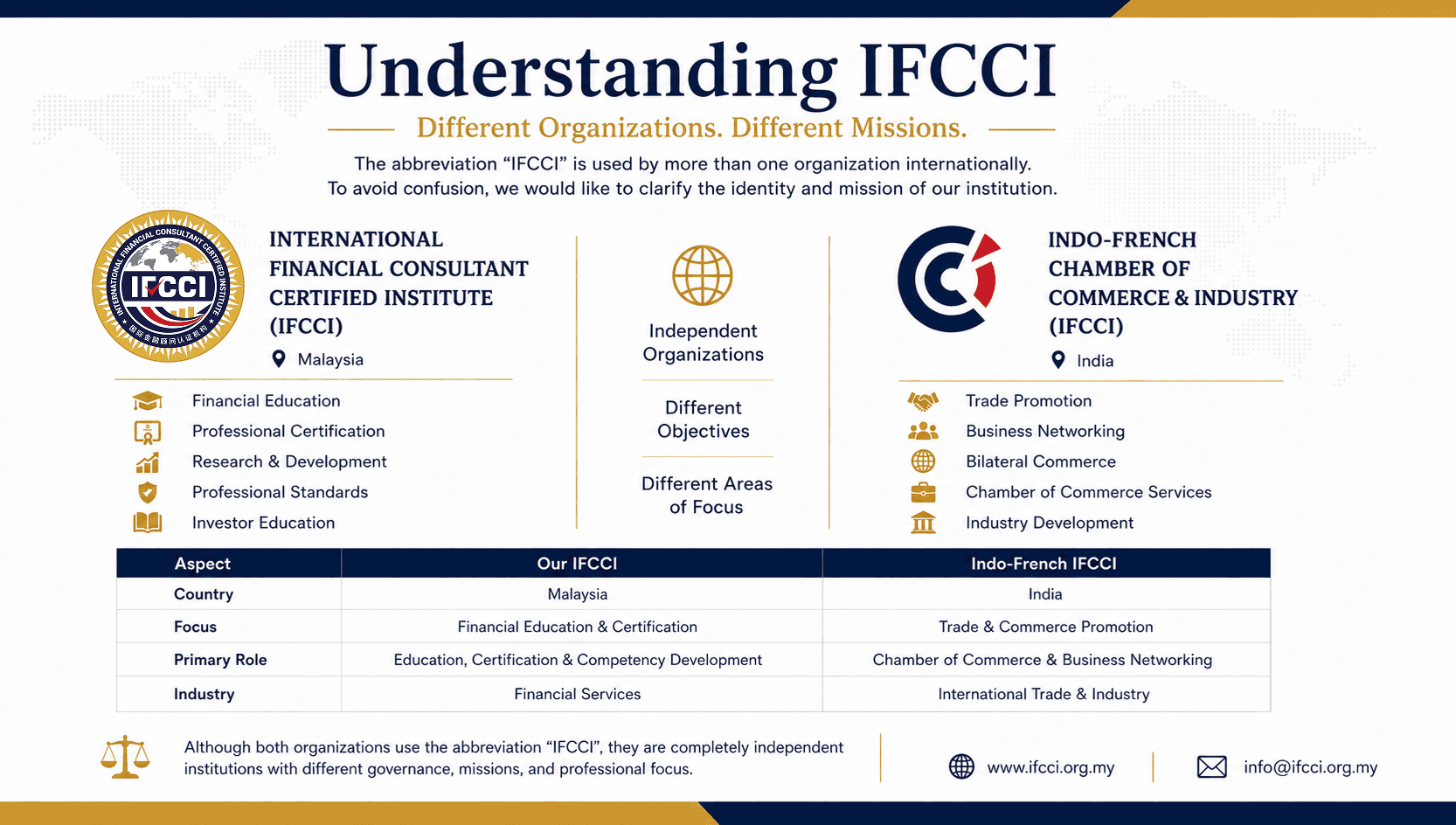
Understanding IFCCI: International Financial Consultant Certified Institute and Other Organizations Using the IFCCI Acronym
27 Jul 2026

Why International Financial Skills Championships Matter in Developing Global Financial Excellence
13 Jul 2026