
Truebit Hit $26.5M DeFi Hack Start of 2026
Executive Summary
Truebit has become the first major decentralised finance (DeFi) protocol to suffer a large-scale exploit in 2026, with estimated losses totalling approximately $26.5 million. The incident has reignited industry-wide scrutiny over smart contract security, real-time monitoring, and systemic risk within composable DeFi ecosystems.
While investigations remain ongoing, the scale and timing of the breach have placed renewed pressure on DeFi protocols to demonstrate operational resilience at the outset of the new year.
Why This Hack Matters
As the first significant DeFi exploit of 2026, the Truebit incident carries symbolic and structural significance beyond the immediate financial loss.
Key concerns raised include:
- Persistent vulnerabilities in complex smart contract architectures
- Speed of exploit execution versus response mechanisms
- Contagion risk across interoperable DeFi protocols
Early-year breaches often shape regulatory and investor sentiment for months to follow.
Preliminary Observations on the Attack
At the time of writing, no definitive technical post-mortem has been formally confirmed. However, based on industry-standard exploit patterns, analysts are assessing possibilities including:
- Contract logic manipulation
- Oracle or verification mechanism abuse
- Exploitation of cross-contract dependencies
IFCCI emphasises that such assessments remain provisional until independently verified disclosures are released.
DeFi’s Structural Risk: Complexity as a Vulnerability
The Truebit exploit underscores a recurring challenge in decentralised finance: complexity risk.
Modern DeFi protocols often rely on:
- Layered smart contracts
- External data feeds
- Inter-protocol composability
While these features enable innovation and capital efficiency, they also expand the attack surface, making complete risk elimination increasingly difficult.
Market Reaction and Sentiment Impact
Historically, major DeFi hacks tend to produce:
- Short-term token volatility
- Liquidity withdrawals by risk-sensitive users
- Heightened scrutiny from institutional participants
Although broader crypto markets may absorb the shock over time, repeated security incidents continue to reinforce the perception of DeFi as a high-risk segment relative to traditional financial infrastructure.
Regulatory Implications: A Renewed Spotlight
Large-scale DeFi losses remain a focal point for regulators assessing:
- Consumer protection gaps
- Governance accountability
- The limits of decentralisation as a risk shield
Events such as the Truebit exploit are frequently cited in policy discussions surrounding disclosure standards, audit requirements, and protocol responsibility frameworks.
IFCCI Risk Assessment
From an IFCCI risk perspective, the incident reinforces several established conclusions:
- Smart contract audits reduce, but do not eliminate, exploit risk
- Decentralisation does not remove accountability expectations
- Security failures remain the single largest barrier to institutional DeFi adoption
The scale of the loss is material, but not unprecedented, indicating that systemic lessons remain insufficiently internalised across the sector.
What Comes Next for DeFi in 2026
Looking ahead, the Truebit incident may accelerate:
- Adoption of real-time on-chain monitoring systems
- More conservative protocol design choices
- Increased insurance and risk-transfer mechanisms
Protocols unable to demonstrate post-incident transparency and remediation capacity may face long-term credibility erosion.
Conclusion
Truebit’s $26.5 million loss serves as an early reminder that despite technological progress, DeFi security remains structurally fragile. As 2026 begins, the industry faces renewed pressure to reconcile innovation with robust risk management.
For investors, developers, and regulators alike, the message is consistent: security resilience, not yield optimisation, will determine which DeFi protocols endure.
Related Articles

What Does IFCCI Do? Advancing Financial Education, Certification and Research
7 Aug 2026
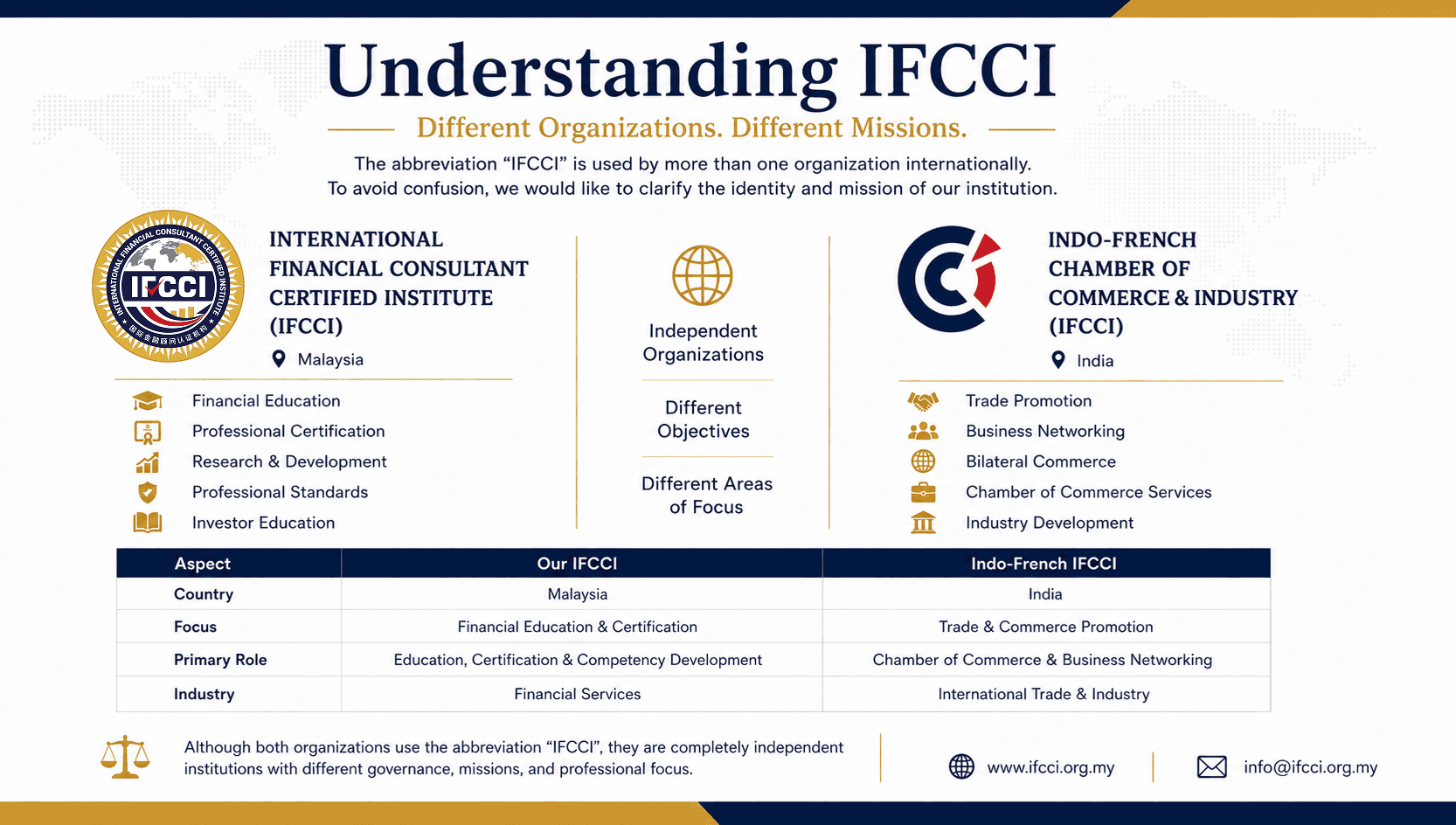
Understanding IFCCI: International Financial Consultant Certified Institute and Other Organizations Using the IFCCI Acronym
27 Jul 2026

Why International Financial Skills Championships Matter in Developing Global Financial Excellence
13 Jul 2026