Treasury: US Shutdown Risks $15 Billion Weekly Economic Loss
📰 Shutdown Could Cost US Economy US$15bil a Week, Treasury Says
Kuala Lumpur — The U.S. Department of the Treasury has warned that a prolonged government shutdown could deal a severe blow to the U.S. economy, potentially costing around US$15 billion (RM70.7 billion) per week in lost output and delayed federal services.
According to Treasury analysts, the estimate reflects disruptions to government operations, furloughs of hundreds of thousands of federal employees, and delayed procurement payments to contractors. The impact could intensify if the shutdown extends beyond two weeks, particularly affecting consumer confidence and business investment.
Economic Fallout Looms Over Political Standoff
The warning comes amid rising tensions in Washington as lawmakers struggle to pass spending bills before the October deadline. Treasury officials noted that federal employees’ pay delays could cut household spending, while halted small business loans and federal contracts may ripple through supply chains.
“Each week of shutdown directly subtracts from GDP growth,” said Treasury Secretary Janet Yellen, adding that “the real damage comes from uncertainty—businesses can’t plan, families can’t spend, and markets can’t predict stability.”
Financial strategists now warn that if the shutdown extends into mid-October, it could shave up to 0.2–0.3 percentage points off Q4 GDP growth, pressuring the Federal Reserve’s already delicate balancing act between inflation and growth.
Market and Investor Reactions
Equity markets reacted cautiously, with the S&P 500 posting mild losses as traders priced in potential fiscal headwinds. The U.S. dollar index remained steady, while Treasury yields edged lower amid safe-haven demand.
Meanwhile, analysts at Goldman Sachs and Moody’s Analytics noted that each week of shutdown costs roughly US$0.1% of annualized GDP, with broader implications for financial stability if debt ceiling negotiations also stall.
Global and Malaysian Impact
For export-driven economies like Malaysia, prolonged fiscal uncertainty in the U.S. could dampen demand for electronics and commodities. Economists believe that a slowdown in American consumer spending may indirectly impact Asian supply chains and financial flows.
The International Financial Consultant Certified Institute (IFCCI) advised that financial consultants should monitor macroeconomic indicators closely and prepare clients for short-term volatility in forex and equity markets, emphasizing the importance of certified advisory in navigating policy-driven risks.
Related Articles

What Does IFCCI Do? Advancing Financial Education, Certification and Research
7 Aug 2026
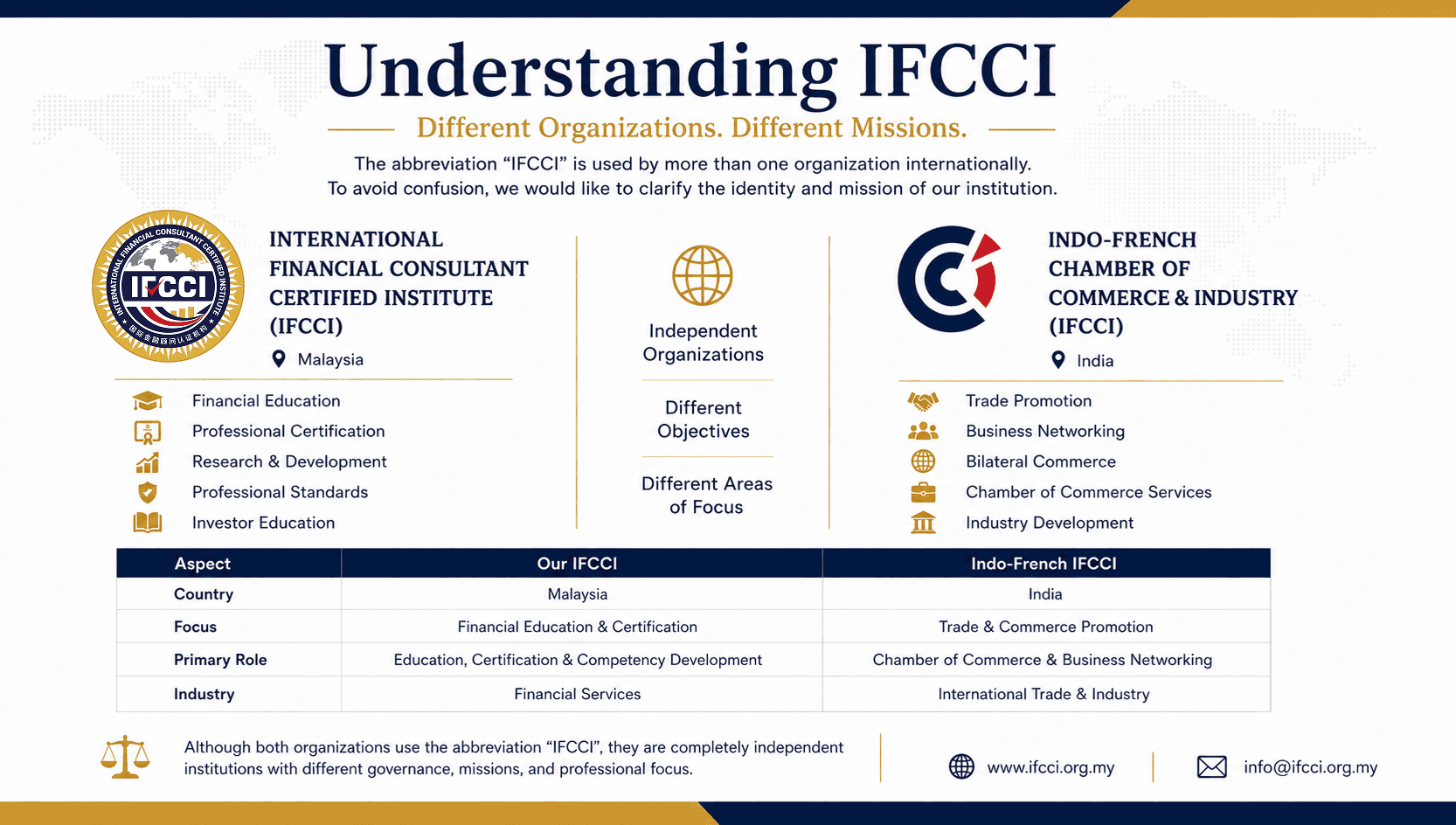
Understanding IFCCI: International Financial Consultant Certified Institute and Other Organizations Using the IFCCI Acronym
27 Jul 2026
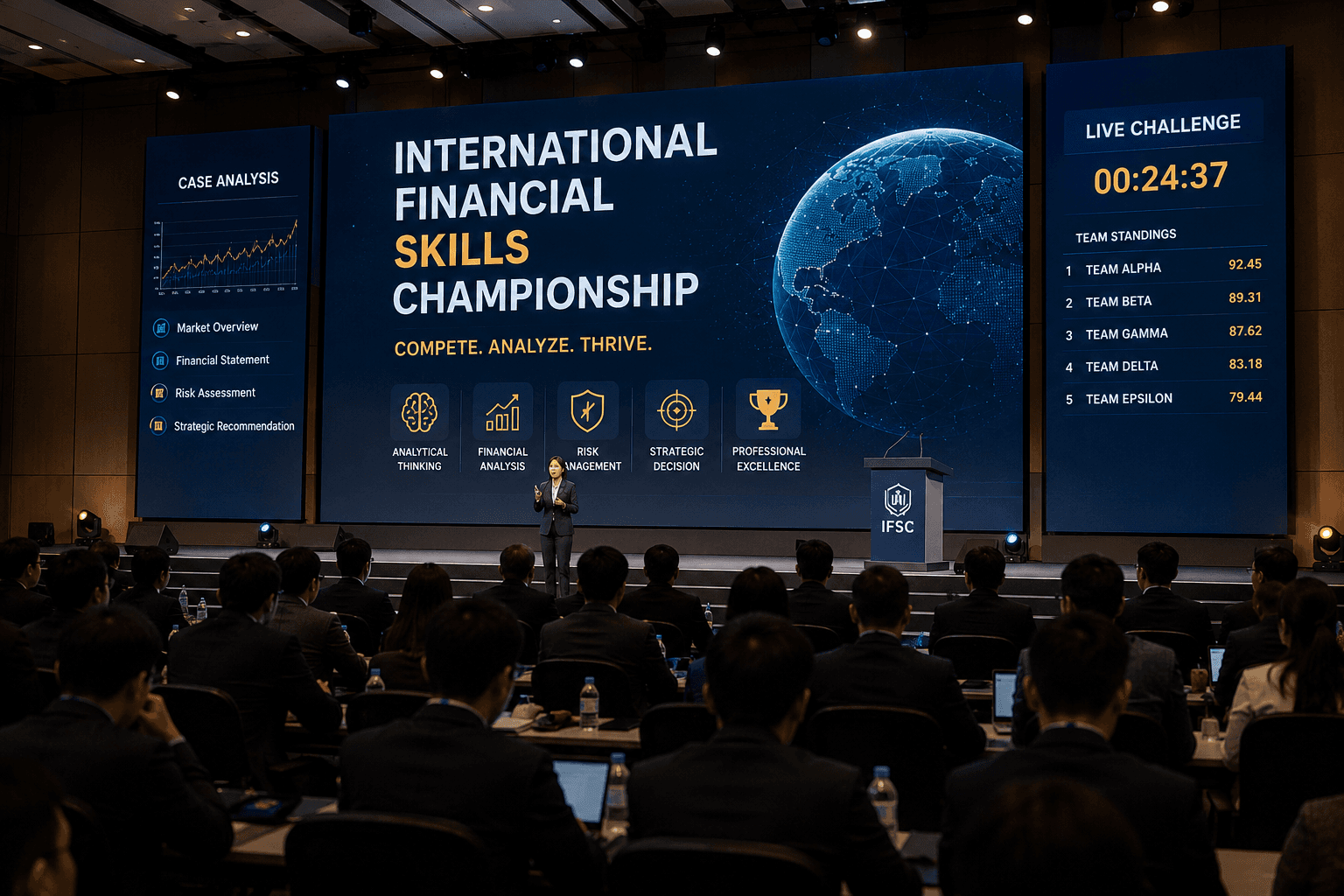
Why International Financial Skills Championships Matter in Developing Global Financial Excellence
13 Jul 2026