
Mastering Forex Order Types: Your Key to Strategic Trading
To trade successfully, it’s essential to understand the various types of forex orders. Each serves a distinct purpose, offering you the flexibility to match your trading style, manage risk, and control trade execution.
These orders act as instructions to your broker on how and when to execute your trades—helping you determine your entry, exit, and risk parameters.
Quick Recap: Forex Order Types
Let’s explore the most common forex order types, including their purpose, how they work, and when to use them.
1. Market Order
A market order executes immediately at the best available price. It’s used when speed is more important than price.
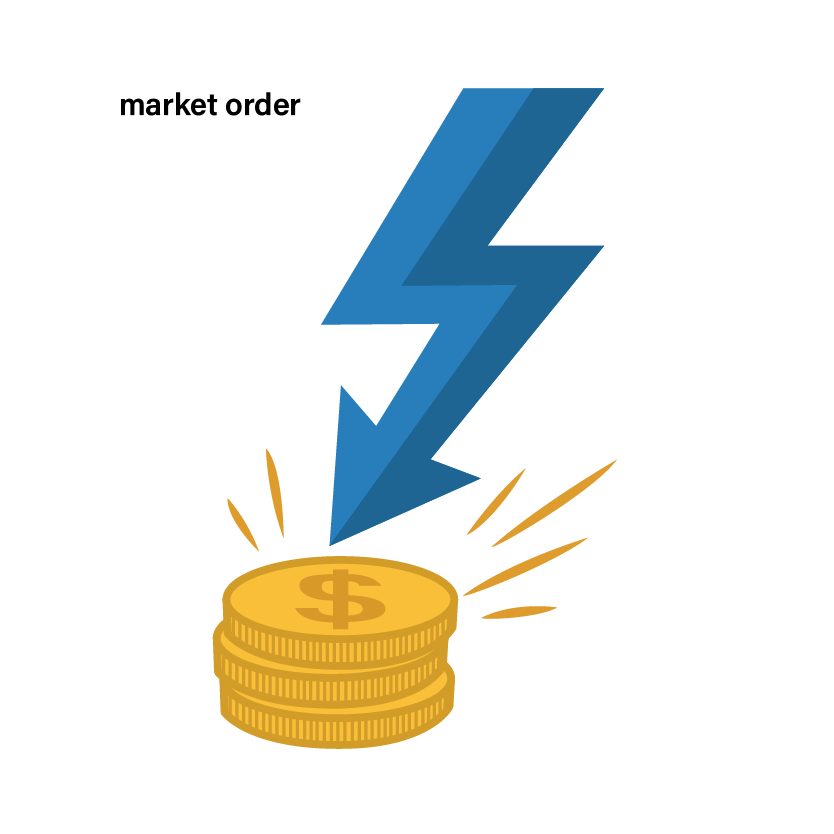
- Purpose: Instant execution to enter/exit quickly.
- Example: Buy EUR/USD at the current ask price of 1.1052.
- Pros: Fast, simple, and ensures trade execution.
- Cons: No price control; risk of slippage in volatile markets.
2. Limit Order
A limit order executes only at your specified price or better.
- Purpose: Enter or exit a trade at a preferred price.
- Example: Buy EUR/USD at 1.1000—only if the price drops to that level.
- Pros: Price control and reduced slippage.
- Cons: No guarantee of execution; might miss the trade.
3. Stop Order (Stop-Loss)
A stop order becomes a market order once a specified price is hit, helping to limit losses.
- Purpose: Exit a trade if the market moves against you.
- Example: Long EUR/USD at 1.1050, with a stop at 1.0950.
- Pros: Automatic risk control; peace of mind.
- Cons: May not execute at exact stop price in fast-moving markets.
4. Stop Limit Order
This combines a stop and a limit order. Once the stop price is hit, it becomes a limit order.
- Purpose: Provide price control while limiting losses.
- Example: Stop at 1.0950, limit at 1.0900. Executes only at 1.0900 or better.
- Pros: Prevents slippage; precise control.
- Cons: Execution not guaranteed; may miss the exit.
5. Trailing Stop Order
A trailing stop moves with the market price to lock in profits while capping losses.
- Purpose: Protect profits as a trade moves favorably.
- Example: Long at 1.1050 with a 50-pip trail. If price hits 1.1100, stop moves to 1.1050.
- Pros: Automatically locks in gains; reduces emotional trading.
- Cons: Can be triggered prematurely in volatile markets.
6. Good Till Cancelled (GTC) Order
A GTC order remains active until it’s filled or manually canceled.

- Purpose: Maintain an order indefinitely until your price is reached.
- Example: Place a buy limit at 1.1200—order stays until filled or canceled.
- Pros: Long-term flexibility and convenience.
- Cons: May sit unfilled; needs occasional review.
7. One Cancels the Other (OCO) Order
An OCO order combines two linked orders—if one executes, the other is canceled.

- Purpose: Automate exits for profit-taking and stop-loss.
- Example: Long at 1.1050. OCO order: Sell at 1.1150 (profit) or 1.0950 (loss).
- Pros: Simplifies risk management; automates exits.
- Cons: Not all brokers support OCO; requires setup precision.
Final Thoughts
Knowing how each order type works empowers you to better manage trades, limit losses, and lock in profits. Whether you prefer fast execution or controlled pricing, the right order type helps bring structure and discipline to your trading strategy.
Related Articles

What Does IFCCI Do? Advancing Financial Education, Certification and Research
7 Aug 2026
Understanding IFCCI: International Financial Consultant Certified Institute and Other Organizations Using the IFCCI Acronym
27 Jul 2026

Why International Financial Skills Championships Matter in Developing Global Financial Excellence
13 Jul 2026