The5ers Expands Globally With New Futures Prop Trading
Global Expansion Into Futures Markets
Proprietary trading firm The5ers has announced the launch of futures-focused prop trading offerings on a global scale. The move expands the firm’s product suite beyond traditional forex-funded programs into regulated futures markets.
The rollout reflects growing demand for structured capital access among retail and semi-professional traders seeking exposure to exchange-traded derivatives.
Understanding the Prop Trading Model
Prop trading programs typically operate under a performance-based capital allocation model:
- Traders complete evaluation phases
- Risk parameters are predefined
- Profit-sharing agreements apply
- Capital scaling is contingent on performance
Futures prop offerings introduce exposure to instruments such as equity index futures, commodities, and interest rate contracts, depending on platform availability.
Shift Toward Regulated Derivatives
The expansion into futures signals several structural trends:
- Increased preference for exchange-traded products
- Greater transparency in pricing and liquidity
- Defined margin frameworks
- Central clearing mechanisms
Compared with over-the-counter instruments, futures contracts offer standardisation and regulated infrastructure, which may appeal to both traders and institutional partners.
Risk and Capital Management Considerations
Futures trading involves:
- Leverage through margin requirements
- Mark-to-market settlement
- Daily variation margin adjustments
For prop firms, structured drawdown limits and risk controls are critical to capital preservation. Clear risk metrics and disciplined execution frameworks will determine the sustainability of funded trader programs.
Market Demand Drivers
Several factors may explain the timing of the global rollout:
- Heightened volatility in equity and commodity markets
- Increased retail interest in derivatives strategies
- Technological improvements in execution platforms
- Globalisation of remote trading ecosystems
Retail access to capital-backed trading programs has grown in recent years, though regulatory oversight varies across jurisdictions.
Competitive Landscape
The global prop trading industry has expanded rapidly, with firms competing on:
- Evaluation difficulty
- Profit split ratios
- Scaling structures
- Transparency of rules
Diversifying into futures may position The5ers competitively amid increasing scrutiny of retail leveraged products.
Regulatory Implications
While futures markets are typically regulated, prop firm models themselves operate in a complex regulatory environment. Key considerations include:
- Consumer protection standards
- Disclosure clarity
- Jurisdictional licensing requirements
- Operational transparency
Global expansion may require careful alignment with regional compliance frameworks.
IFCCI Assessment: Structured Growth, Heightened Risk Sensitivity
The IFCCI Research Division assesses that The5ers’ expansion into futures prop trading reflects structural maturation within the retail derivatives ecosystem.
Key observations:
- Exchange-traded futures offer greater transparency than OTC alternatives
- Risk management protocols will determine long-term viability
- Regulatory scrutiny of funded trader models is likely to increase
The success of global futures prop offerings will depend on capital discipline, compliance standards, and sustainable risk-adjusted performance metrics.
Conclusion
The5ers’ global launch of futures prop offerings marks a significant step in the evolution of retail-access proprietary trading. By expanding into regulated derivatives markets, the firm aligns itself with broader market trends favouring transparency and structured risk management.
As the prop trading sector grows, disciplined oversight and sustainable capital allocation frameworks will remain essential for long-term stability.
Related Articles

What Does IFCCI Do? Advancing Financial Education, Certification and Research
7 Aug 2026
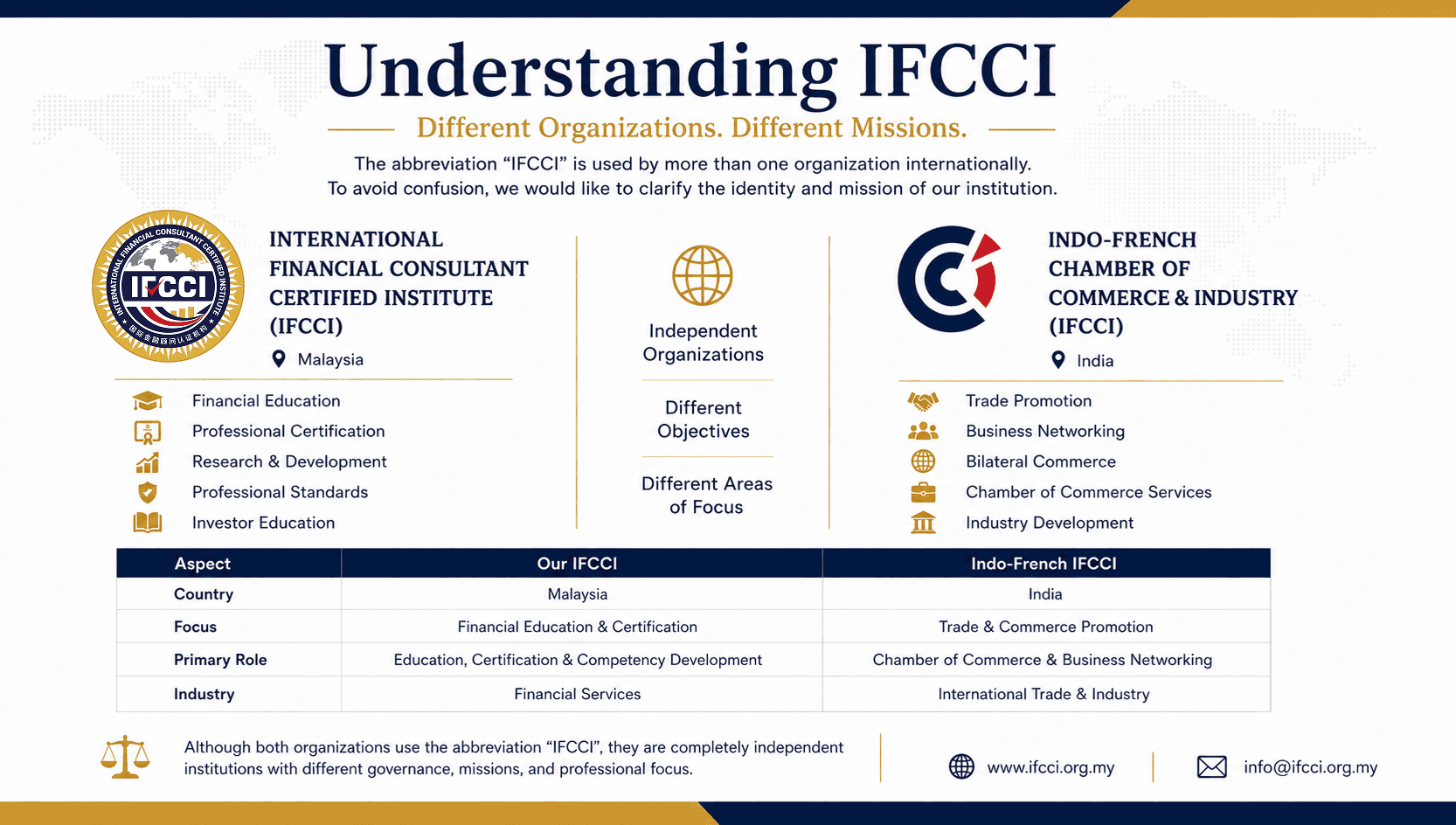
Understanding IFCCI: International Financial Consultant Certified Institute and Other Organizations Using the IFCCI Acronym
27 Jul 2026
Why International Financial Skills Championships Matter in Developing Global Financial Excellence
13 Jul 2026