Thailand Proposes U.S. Tariff Concessions to Avoid 36% Export Penalty
Thailand Weighs Tariff Concessions to Avoid U.S. Trade Penalties
Thailand’s Finance Minister and Deputy Prime Minister Pichai Chunhavajira announced on Monday that the government is considering eliminating tariffs on additional American imports. The move comes amid rising pressure from the United States, which has threatened to impose a 36% tariff on Thai exports if a trade agreement isn’t reached by the August 1 deadline.
Speaking at a business seminar in Bangkok, Pichai also revealed a 200 billion baht (approximately $6.1 billion) soft loan package aimed at supporting local firms and exporters that could be hit by the potential tariff hike. The financial aid would likely benefit key export-oriented industries such as electronics, auto parts, and agricultural processing.
Balancing Diplomacy with Economic Safeguards
Thailand’s dual strategy—offering trade concessions while deploying domestic economic support—underscores its urgent response to avoid serious trade disruption. While granting tariff relief to the U.S. may appear to favor American interests, Thai policymakers are likely prioritizing the long-term stability of export markets vital to the country’s post-pandemic recovery.
With external demand playing a critical role in Thailand’s GDP growth, losing access to the U.S. market under such a steep tariff could deliver a heavy blow. The preemptive loan program reflects concerns that even the uncertainty surrounding the tariffs could tighten financial conditions and disrupt supply chains.
Preventing a Trade Standoff Through Tactical Flexibility
In the face of Washington’s mounting trade pressure, Thailand’s openness to unilaterally lowering tariffs signals a broader regional pattern of seeking accommodation over confrontation. Similar to other emerging markets targeted in former President Trump’s renewed tariff campaign, Thailand is moving swiftly to negotiate favorable terms or exemptions.
The effectiveness of this approach hinges not only on U.S. willingness to compromise but also on whether Thailand’s concessions are enough to stave off more sweeping protectionist actions. With less than three weeks left before the tariff deadline, Bangkok’s trade diplomacy is entering a pivotal stage—one that could either defuse tensions or accelerate a shift in regional trade dynamics.
Related Articles

What Does IFCCI Do? Advancing Financial Education, Certification and Research
7 Aug 2026
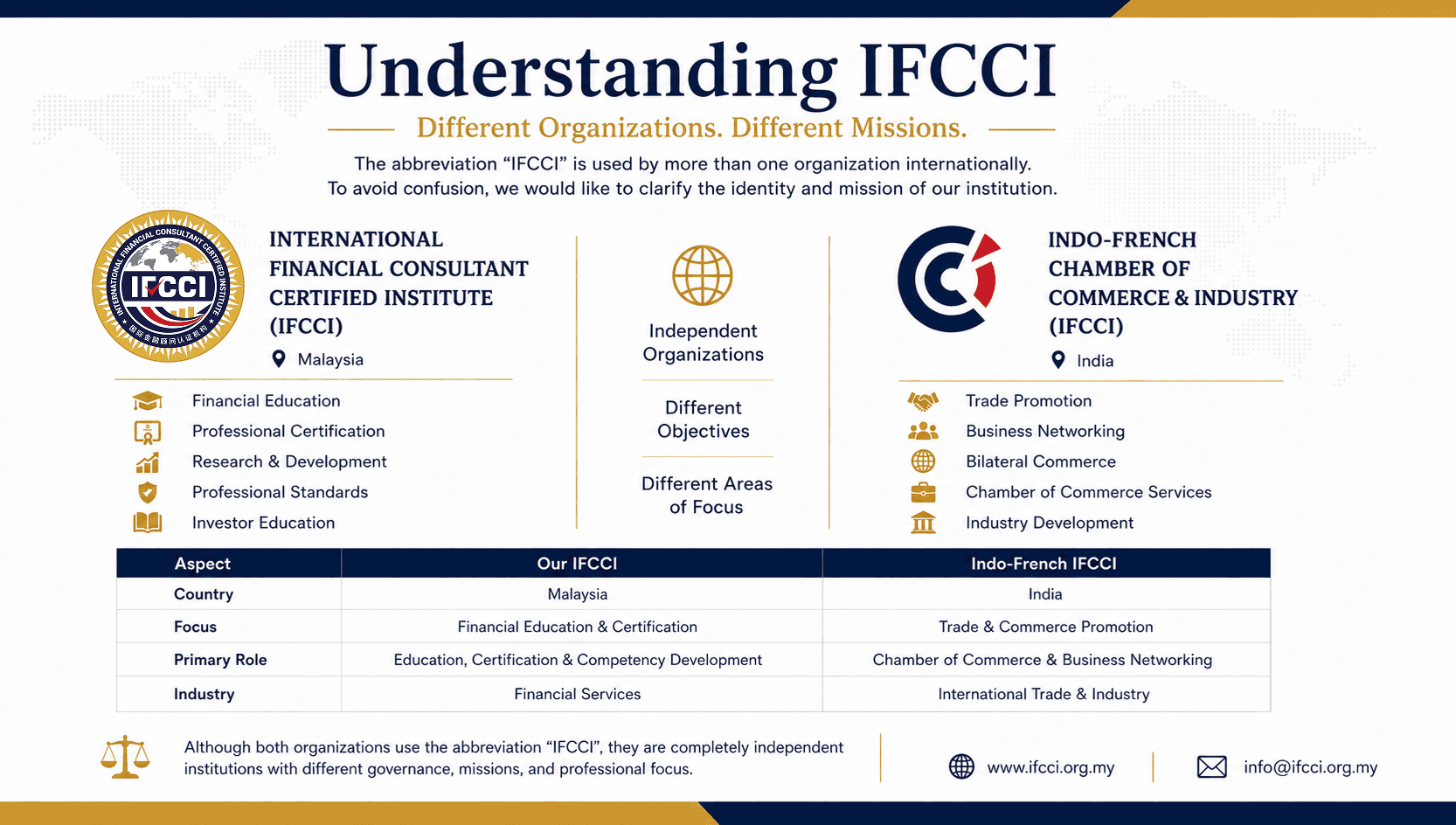
Understanding IFCCI: International Financial Consultant Certified Institute and Other Organizations Using the IFCCI Acronym
27 Jul 2026
Why International Financial Skills Championships Matter in Developing Global Financial Excellence
13 Jul 2026