
Tether’s USDT Stablecoin Wins Multi-Chain in Abu Dhabi
Abu Dhabi Strengthens Regulated Digital-Asset Ecosystem with Multi-Chain Approval for USDT
Tether’s USDT, the world’s largest stablecoin by market capitalisation, has received formal regulatory approval for multi-chain operation within Abu Dhabi’s digital-asset framework. The decision, issued under the jurisdiction’s progressive virtual-asset rulebook, marks a significant milestone for the United Arab Emirates’ ambition to consolidate itself as a leading global hub for compliant blockchain infrastructure.
The approval allows USDT to be utilised across several permitted blockchain networks on licensed platforms, broadening the operational flexibility available to institutional users, market intermediaries, and regulated service providers. Analysts view the ruling as a direct signal of Abu Dhabi’s intent to embed stablecoins as a core instrument within local digital-asset markets.
A Step Forward for Institutional Adoption in the UAE
The multi-chain approval strengthens accessibility for financial institutions seeking stable, high-liquidity settlement tools. With USDT already integrated across dozens of global trading venues, Abu Dhabi’s regulatory greenlight is expected to accelerate:
- cross-border digital-asset settlement,
- institutional trading strategies,
- blockchain-enabled treasury operations, and
- the development of tokenised financial products.
Market participants note that regulatory clarity around stablecoins remains a crucial deciding factor for investment committees assessing regional expansion.
Regulatory Alignment with Global Standards
Abu Dhabi’s move reinforces its alignment with international regulatory standards, particularly around reserve transparency, risk controls, and operational governance. The region has actively pursued frameworks that favour oversight-heavy digital-asset operations, positioning itself as a counterweight to more permissive jurisdictions.
The multi-chain approval reflects supervisory confidence in Tether’s ability to meet requirements related to:
- asset backing and reserve attestation,
- chain-specific risk assessments,
- transaction monitoring capabilities, and
- compliance obligations across distributed networks.
This development mirrors the UAE’s ongoing strategy to modernise its financial systems through tightly governed blockchain adoption.
Why Multi-Chain Approval Matters
The significance of multi-chain approval lies in USDT’s unique role as a liquidity anchor across decentralised finance and centralised venues. Enabling regulated multi-chain usage within Abu Dhabi ensures that market participants can deploy the stablecoin within a broader set of trading, settlement, and custody environments.
This provides several key benefits:
- Operational Resilience – Dependence on a single network is reduced, lowering risks of congestion or network-specific outages.
- Reduced Friction – Institutions can select optimal chains for cost, speed, and security.
- Innovation Potential – Multi-chain permissioning supports tokenisation, collateral management, and blockchain-based funding structures.
- Regulated DeFi Expansion – Licensed platforms can experiment with approved DeFi integrations without leaving regulatory bounds.
A Growing Middle Eastern Stablecoin Market
The Middle East continues to position itself as one of the fastest-expanding markets for regulated stablecoin usage. Abu Dhabi’s approval of USDT follows a broader trend across the region, where governments have shown increased willingness to integrate compliant digital-asset instruments into financial infrastructure.
Demand for stablecoins in the UAE is driven by:
- high cross-border remittance flows,
- widespread corporate treasury digitisation,
- institutional interest in tokenised financial markets, and
- a regulatory environment perceived as predictable and pro-innovation.
With this latest approval, Abu Dhabi adds another layer of legitimacy to stablecoins as essential instruments within modern financial architecture.
Market Impact: Strengthening Tether’s Global Footprint
Industry analysts anticipate that formal recognition from Abu Dhabi will further cement USDT’s dominance in global stablecoin markets. Although Tether faces increasing competition from regulated rivals and emerging central bank digital currencies (CBDCs), its operational scale and liquidity profile remain unmatched.
The approval could also encourage additional exchanges and custodians in the region to onboard USDT, particularly as institutional clients seek compliant stablecoin alternatives for settlement and collateralisation.
Outlook: Regulatory Momentum Likely to Continue
With ongoing efforts to harmonise global digital-asset standards, more jurisdictions are expected to establish stablecoin frameworks similar to Abu Dhabi’s. For Tether, multi-chain compliance approvals could become a growing strategic necessity as regulators examine the different risks associated with each chain.
IFCCI expects continued regulatory expansion across 2026, including:
- deeper integration of stablecoins within tokenised bond and money-market platforms,
- cross-jurisdictional rules for blockchain interoperability, and
- enhanced prudential oversight of global stablecoin operators.
Abu Dhabi’s decision represents an early example of how future regulatory environments may permit stablecoin usage without limiting innovation across blockchain networks.
Related Articles

What Does IFCCI Do? Advancing Financial Education, Certification and Research
7 Aug 2026
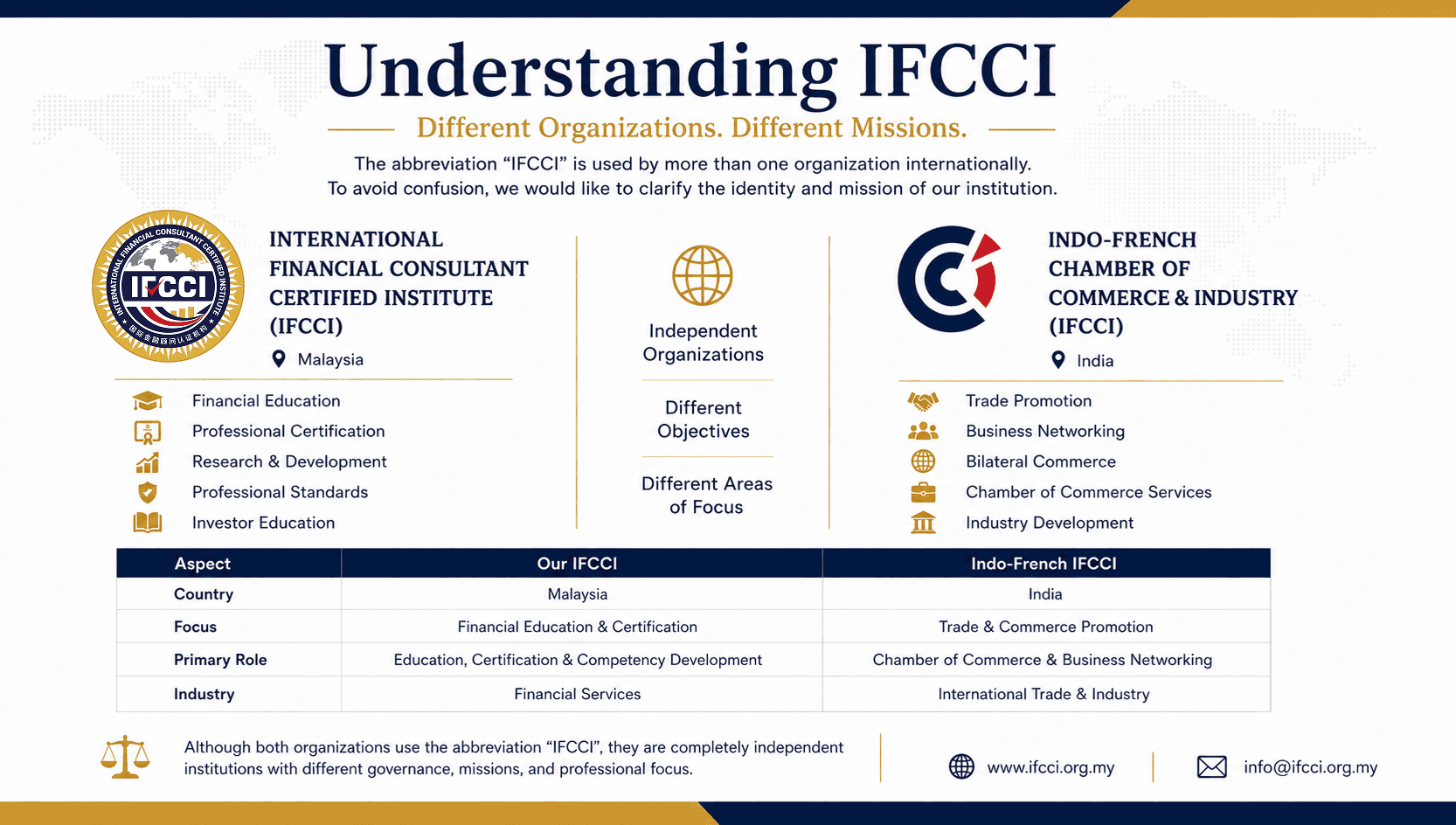
Understanding IFCCI: International Financial Consultant Certified Institute and Other Organizations Using the IFCCI Acronym
27 Jul 2026

Why International Financial Skills Championships Matter in Developing Global Financial Excellence
13 Jul 2026