
Swiss Producer Prices Edge Lower as Cost Pressures Ease
Upstream Price Pressures Ease
Switzerland’s Producer and Import Price Index (PPI) declined by 0.2% in January compared with the previous month, reflecting subdued cost pressures at the wholesale and import level.
The data indicate limited inflationary momentum in upstream pricing, reinforcing broader signs of price stabilisation within the Swiss economy.
Breakdown of Price Movements
The monthly decline was driven by softer prices across selected industrial and import categories. Key contributing factors typically include:
- Lower energy and commodity input costs
- Moderation in intermediate goods pricing
- Exchange rate effects influencing import prices
Producer prices measure domestic output pricing at the factory gate, while import prices capture cost changes for goods entering the country. Together, they provide an early signal of potential downstream consumer inflation trends.
Inflation Transmission Dynamics
A decline in producer and import prices suggests that:
- Cost pressures for manufacturers remain contained
- Margin compression risks may ease for businesses
- Pass-through to consumer prices is likely limited
However, services inflation and domestic wage dynamics can offset softer goods pricing.
Currency Influence
The Swiss franc’s relative strength often plays a stabilising role in import price dynamics. A firm currency reduces the cost of imported goods, contributing to:
- Contained external inflation pressures
- Competitive input costs for domestic producers
Currency movements remain a critical variable in Switzerland’s inflation outlook.
Implications for Monetary Policy
For the Swiss National Bank (SNB), subdued producer and import prices provide:
- Additional evidence of moderating inflation
- Reduced urgency for restrictive policy adjustments
- Greater flexibility in maintaining current policy settings
The SNB typically monitors upstream indicators closely to anticipate future consumer price developments.
Market Reaction
Financial markets are likely to interpret the 0.2% decline as:
- Neutral to mildly supportive for fixed income
- Limited impact on currency markets absent broader inflation shifts
- Consistent with Switzerland’s low-inflation environment
Bond yields may remain stable if broader inflation indicators align with this trend.
IFCCI Assessment: Stable Cost Environment
The IFCCI Research Division assesses that the January decline reinforces the narrative of stable and controlled upstream pricing in Switzerland.
Key observations:
- No evidence of renewed cost acceleration
- Import dynamics remain influenced by currency strength
- Inflation risks appear contained at the producer level
Unless subsequent data show reacceleration, upstream inflation is unlikely to drive near-term policy tightening.
Conclusion
Switzerland’s Producer and Import Price Index fell by 0.2% in January, signalling subdued upstream price pressures. The data support expectations of continued inflation stability, with limited implications for immediate monetary policy shifts.
Markets will monitor forthcoming consumer inflation readings to assess whether upstream moderation translates into sustained downstream price stability.
Related Articles

What Does IFCCI Do? Advancing Financial Education, Certification and Research
7 Aug 2026
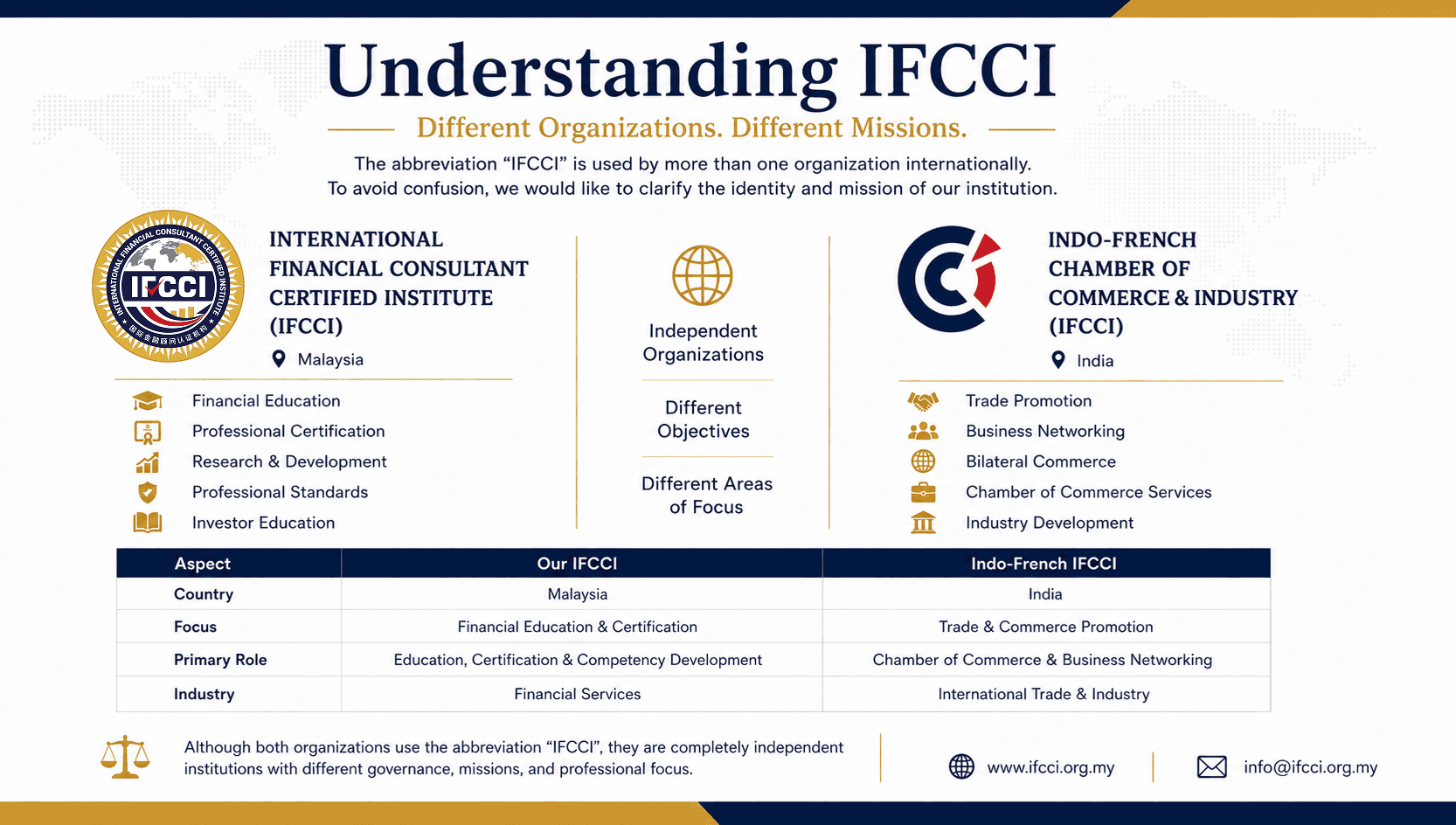
Understanding IFCCI: International Financial Consultant Certified Institute and Other Organizations Using the IFCCI Acronym
27 Jul 2026

Why International Financial Skills Championships Matter in Developing Global Financial Excellence
13 Jul 2026