
Strait of Hormuz Risks Support Oil Market Gains
Oil Prices Rise on Concerns About US-Iran Tensions
Oil prices edged higher as markets reacted to renewed concerns over escalating tensions between the United States and Iran, prompting investors to price in a geopolitical risk premium amid fears of potential supply disruptions in the Middle East.
Brent crude futures climbed modestly, while U.S. West Texas Intermediate (WTI) also posted gains, as traders weighed uncertainty over diplomatic talks, military posturing and broader market volatility. The rise occurred despite a larger-than-expected build in U.S. crude inventories, underscoring the influence of geopolitical risk on energy prices.
Geopolitical Risk Premium Underpins Gains
Investors are increasingly focused on the implications of stalled or inconclusive negotiations between Washington and Tehran, with comments from U.S. and allied leaders suggesting continued tension and the possibility of military escalation. These developments have driven a risk premium into oil prices as traders seek to hedge against the threat of supply shocks.
The Strait of Hormuz, a strategic chokepoint through which nearly 20% of global crude oil passes, remains central to oil market sentiment. Any threat to its security, whether from military action or retaliatory measures by Iran, could have outsized implications for global supply flows.
Broader Market Context
While geopolitical pressures have supported oil prices, broader macroeconomic data, equity market performance and supply fundamentals remain influential. The continuation of talks alongside military considerations keeps markets on high alert, with participants closely monitoring both risk-off dynamics and data releases that could shift demand expectations.
Related Articles

What Does IFCCI Do? Advancing Financial Education, Certification and Research
7 Aug 2026
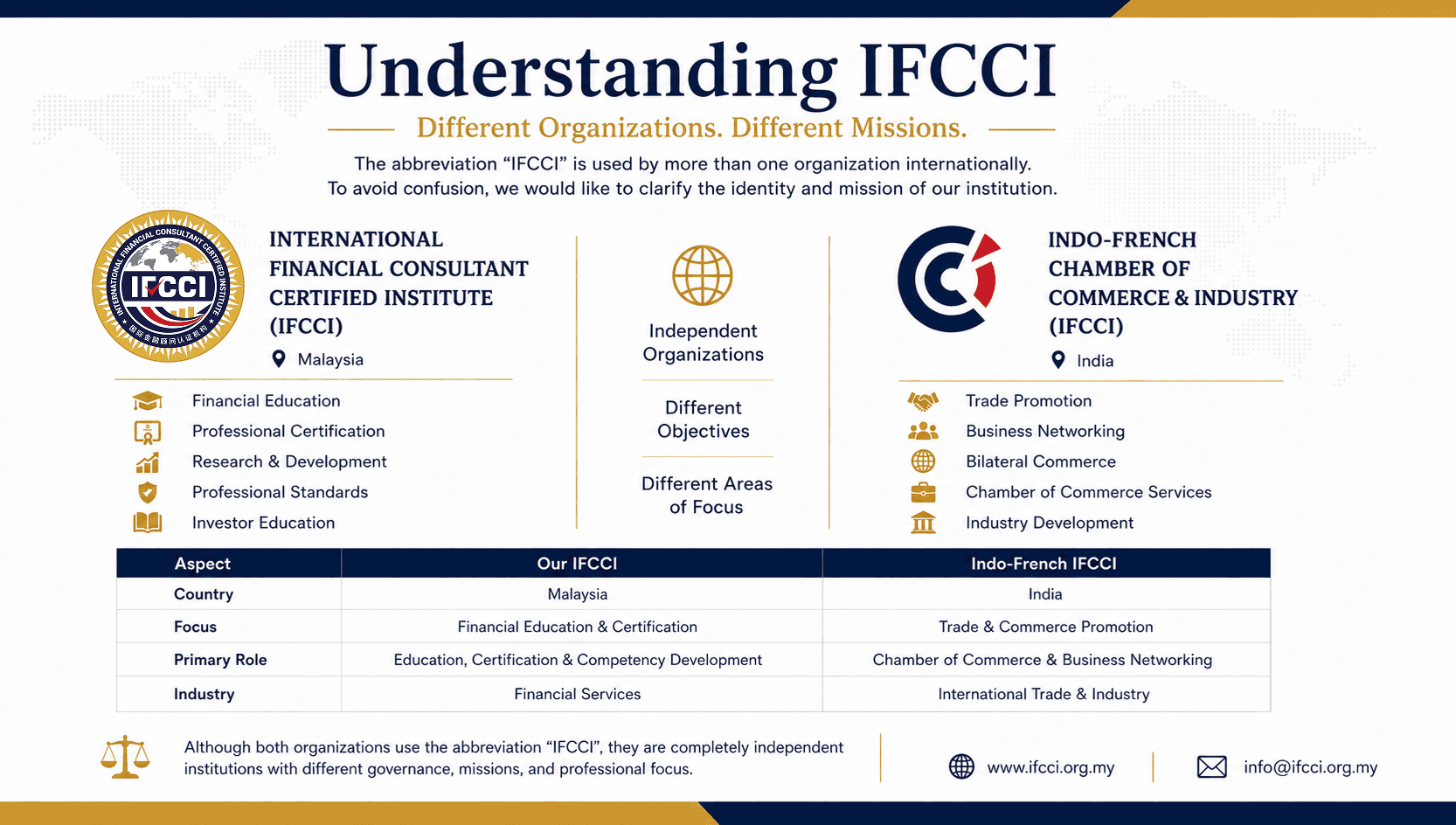
Understanding IFCCI: International Financial Consultant Certified Institute and Other Organizations Using the IFCCI Acronym
27 Jul 2026
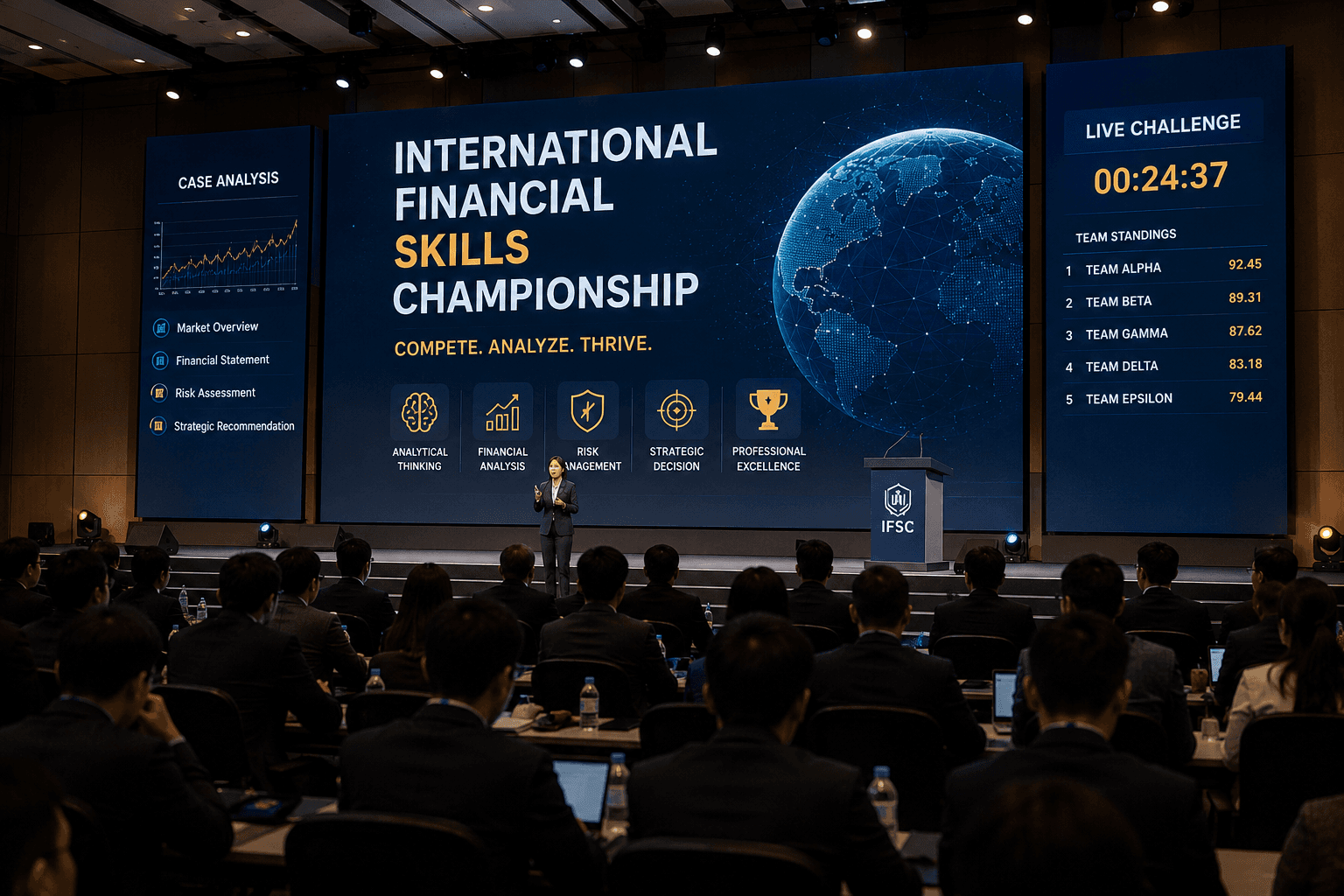
Why International Financial Skills Championships Matter in Developing Global Financial Excellence
13 Jul 2026