
Spanish CPI December 2025 Shows Inflation
Headline Inflation Cools at Year-End
Spain’s Consumer Price Index (CPI) in December 2025 signalled a continued moderation in inflationary pressures, reinforcing expectations that price growth is stabilising as the year draws to a close.
According to official data, headline CPI rose 0.4% month-on-month in December, while annual inflation eased to 3.2% year-on-year, down from November’s pace. The data suggest that base effects from energy prices and easing supply-side pressures are increasingly shaping Spain’s inflation profile.
Core Inflation Continues to Decelerate
More importantly for policymakers, core inflation—which excludes energy and unprocessed food—slowed to 2.6% year-on-year, highlighting a gradual cooling in underlying price dynamics.
The deceleration reflects:
- Softer services inflation, particularly in tourism-related categories
- Slower pass-through from past wage increases
- Improved pricing discipline among retailers amid weaker consumer demand
While core inflation remains above pre-pandemic norms, the trend points to diminishing second-round effects.
Energy Prices Drive Monthly Increase
The modest month-on-month increase in December was largely attributed to seasonal energy price movements, particularly electricity and fuel, which experienced temporary upward adjustments amid colder winter conditions.
However, compared with the same period last year, energy inflation remains significantly lower, contributing to the overall decline in headline CPI.
Food price inflation also showed further signs of relief, with processed food prices rising at a slower annual pace, easing pressure on household purchasing power.
Implications for Households and Consumption
The December CPI figures suggest a more stable inflation environment for Spanish households heading into 2026. While price levels remain elevated compared with pre-2022 benchmarks, the pace of increase has slowed sufficiently to support real income recovery.
This stabilisation is expected to:
- Support household consumption
- Reduce uncertainty for small businesses
- Ease cost-of-living pressures ahead of the new year
However, consumer sentiment remains sensitive to services pricing and housing-related costs, which continue to rise faster than the headline index.
Policy Context: ECB Disinflation Narrative Intact
Spain’s inflation trend remains broadly aligned with the euro area’s disinflation trajectory, reinforcing the European Central Bank’s assessment that price pressures are gradually converging toward target.
From a policy perspective:
- The data do not signal renewed inflation risk
- Underlying price pressures appear contained
- Wage growth has not triggered broad-based acceleration
As such, Spain’s CPI profile supports expectations of a cautious and data-dependent monetary stance across the euro area.
IFCCI Assessment: Inflation Normalisation, Not Yet Neutral
The IFCCI Research Division views Spain’s December CPI as confirming inflation normalisation rather than full price stability.
While headline and core inflation are easing, the persistence of services inflation suggests that the final leg of disinflation may prove gradual. The outlook for 2026 will depend heavily on:
- Wage negotiations
- Energy market volatility
- Domestic demand resilience
IFCCI expects Spanish inflation to continue trending lower in early 2026, though remaining modestly above the ECB’s 2% target for an extended period.
Conclusion
Spain’s December 2025 CPI data underscore a clear deceleration in inflationary momentum, closing the year on a more stable footing. With energy effects fading and core inflation cooling, the inflation outlook has become less threatening—but not yet neutral.
For policymakers and markets alike, the message is one of measured relief rather than complacency.
Related Articles

What Does IFCCI Do? Advancing Financial Education, Certification and Research
7 Aug 2026
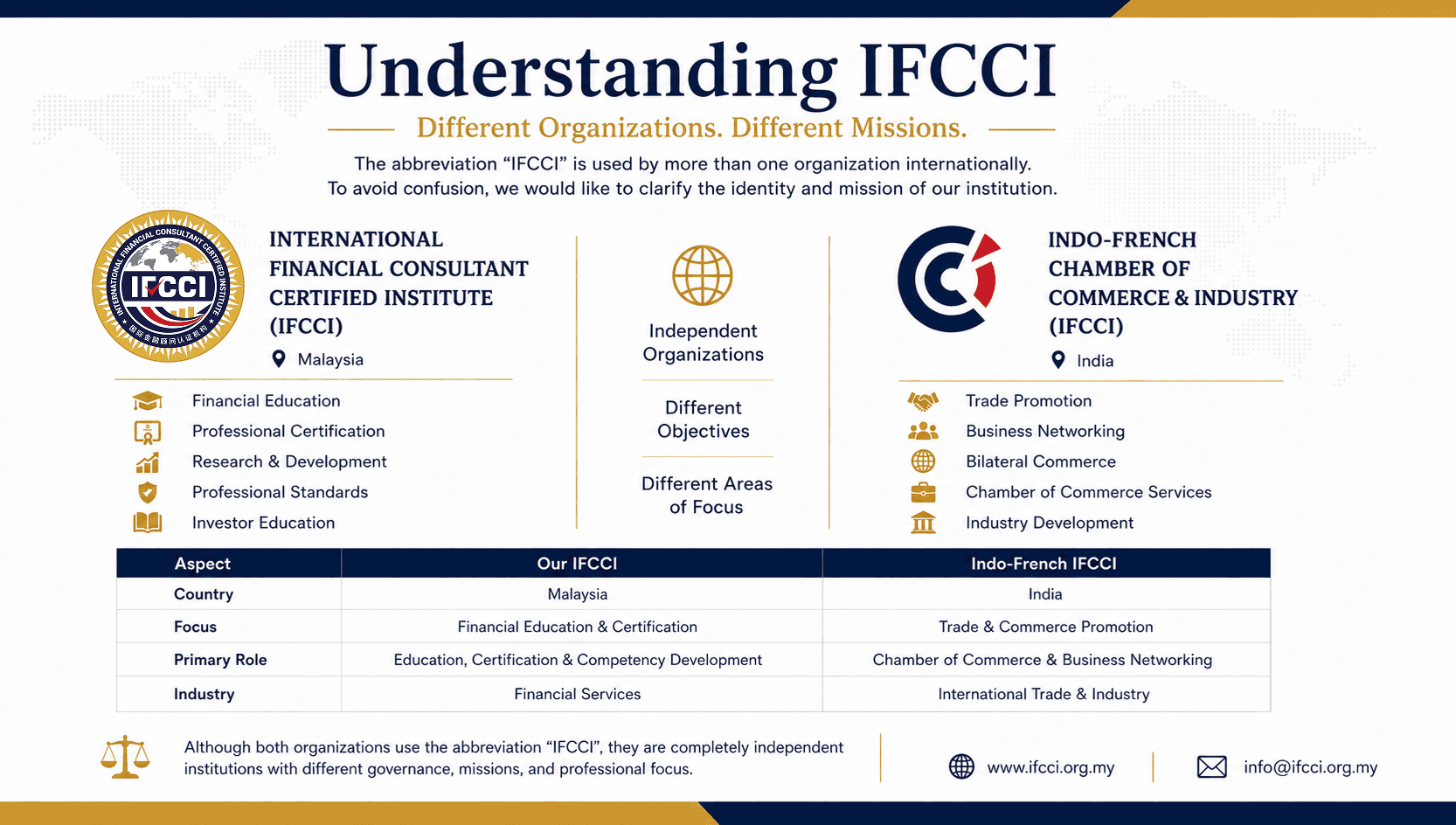
Understanding IFCCI: International Financial Consultant Certified Institute and Other Organizations Using the IFCCI Acronym
27 Jul 2026

Why International Financial Skills Championships Matter in Developing Global Financial Excellence
13 Jul 2026