
Sentix Deepening Divergence in Sentiment Across Eurozone
Eurozone Sentiment Diverges as Investors Split Over Growth and Policy Outlook
Investor sentiment across the eurozone has entered a period of heightened divergence, according to the latest Sentix report, which highlights a widening gap between optimistic and pessimistic readings across major economic indicators. While headline confidence has stabilised from previous lows, the underlying sub-indices reveal growing disagreements among institutional and retail investors regarding the region’s economic trajectory.
The newest dataset signals that eurozone markets have not reached a consensus on whether the soft-landing narrative remains intact, nor on the likely speed and scale of future monetary adjustments. With inflation expectations easing in some pockets but remaining stubbornly high in others, sentiment fragmentation appears to be the defining theme of the survey period.
Mixed Signals Emerge Across the Eurozone
The Sentix Economic Index for the eurozone showed marginal improvement, yet analysts emphasise that the stabilisation masks significant internal volatility. The current situation index remains under pressure, reflecting sluggish real activity, while the expectations index shows mild improvement driven by hopes for more accommodative financial conditions in early 2026.
However, optimism is not universal. Sentix notes that a notable share of survey participants expects growth to deteriorate further as cyclical sectors remain weak and private consumption faces persistent headwinds. At the same time, investor groups differ sharply on whether recent disinflation trends are durable.
This divided landscape suggests that the eurozone recovery narrative is far from settled.
Germany: The Largest Source of Disagreement
Germany continues to generate some of the sharpest sentiment bifurcations:
- Optimists cite early signs of industrial stabilisation and improving global trade flows.
- Pessimists highlight ongoing manufacturing weakness, tight financing conditions, and subdued domestic demand.
The contrast is especially pronounced in forward-looking expectations, which have experienced volatile swings as investors debate the resilience of Germany’s export engine and the timing of a policy pivot from the European Central Bank.
Sentix analysts characterise Germany as “the bellwether of sentiment confusion,” with investor positioning capturing both hope for cyclical recovery and lingering fears of prolonged stagnation.
Peripheral Eurozone Economies Show Firmer Confidence
Southern European economies, including Spain and Portugal, continue to exhibit comparatively stronger sentiment readings. Their expectations indices remain positive, supported by:
- resilient domestic consumption,
- a robust tourism sector, and
- structural reform progress.
This more stable confidence profile reinforces the investor perception that growth in the eurozone is increasingly multi-speed. However, even within these markets, disagreements persist regarding the sustainability of current momentum, particularly if broader eurozone conditions weaken.
Inflation Outlook Continues to Divide Markets
Inflation expectations represent one of the clearest areas of market divergence. While headline inflation across the eurozone continues to ease, investors remain split on when it will fall sustainably back to the ECB’s 2% target.
Three distinct investor camps have emerged:
- Disinflationists, who expect inflation to moderate more rapidly as labour markets soften and supply chains normalise.
- Sticky Inflation Advocates, who believe service-sector price growth and wage pressures will keep inflation elevated well into 2026.
- Reflationists, who warn that geopolitical risks, commodity volatility, and disrupted shipping routes could cause renewed price pressures.
This fragmentation complicates the market’s ability to price monetary policy with confidence.
ECB Policy Expectations Become More Polarised
Sentix reports that investor opinions regarding ECB policy have hardened into two opposing blocs.
Rate-Cut Optimists
Expect cuts to begin earlier than previously anticipated due to:
- weakening manufacturing indicators,
- declining credit formation, and
- subdued business investment.
Rate-Cut Sceptics
Argue that risks to inflation remain too elevated, especially given the ECB’s cautious communication tone.
This polarisation is reflected in volatility across interest-rate futures markets, where pricing for the first 2026 rate cut fluctuates significantly across the survey period.
Global Factors Intensify the Divergence
The Sentix survey also highlights how external shocks have amplified investor disagreements:
- US economic resilience is prompting some investors to expect a stronger dollar and weaker eurozone exports.
- China’s uneven recovery continues to generate uncertainty regarding global manufacturing demand.
- Geopolitical tensions are fuelling caution within commodity-linked sectors and driving safe-haven flows.
Together, these factors are reshaping investor expectations in ways that diverge sharply across demographic and geographic segments.
Market Implications: A More Volatile Information Environment
The growing dispersion in investor sentiment typically precedes periods of:
- higher asset-price volatility,
- sharper divergences between sector performance, and
- wider spreads in analyst forecasts.
For equity markets, sharper disagreements often coincide with a transition phase—either into recovery or further downturn. Fixed-income investors, meanwhile, may need to prepare for continued instability in rate expectations.
Currency markets may also reflect these sentiment schisms, particularly through larger swings in EUR/USD positioning.
Related Articles

What Does IFCCI Do? Advancing Financial Education, Certification and Research
7 Aug 2026
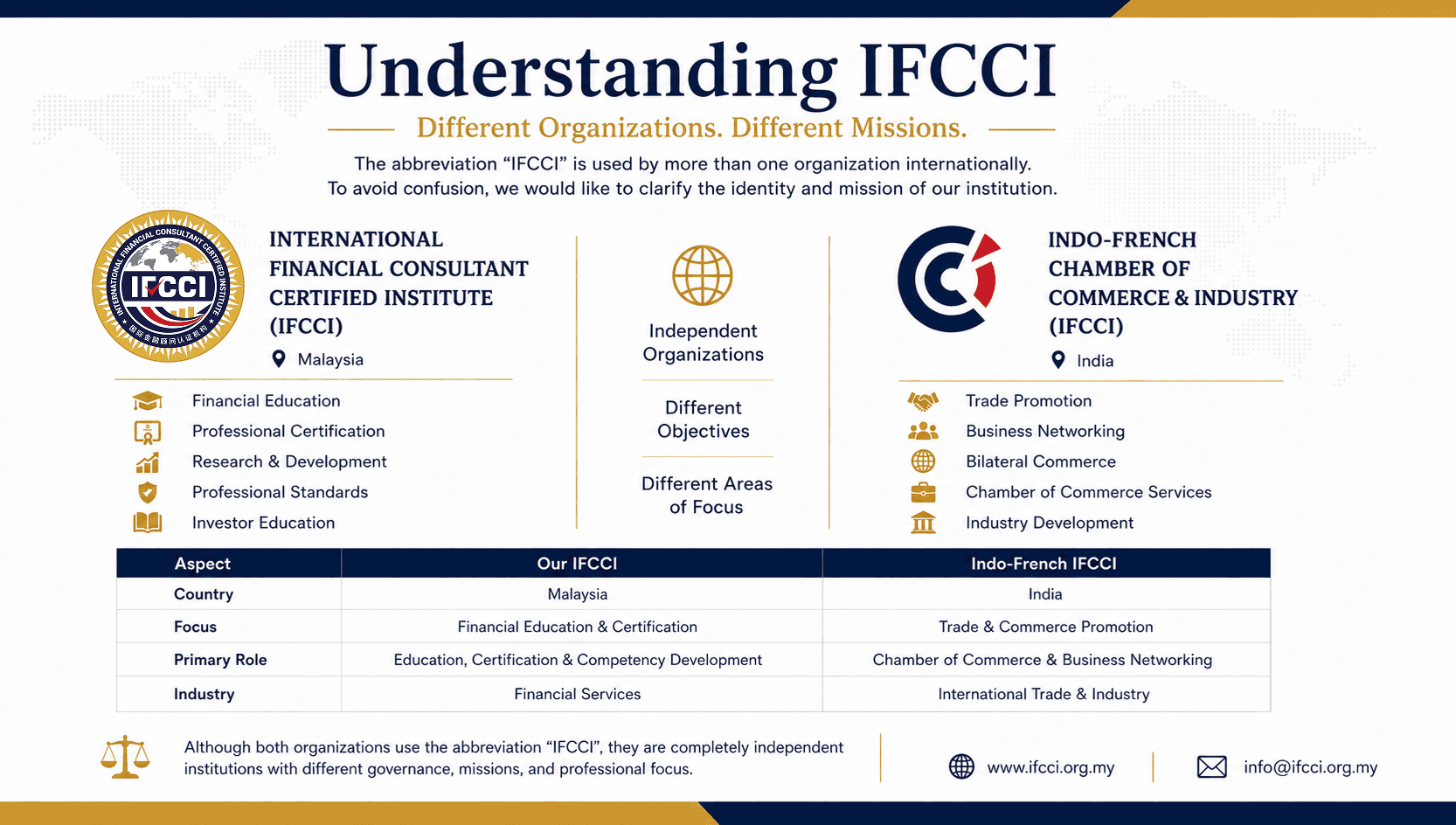
Understanding IFCCI: International Financial Consultant Certified Institute and Other Organizations Using the IFCCI Acronym
27 Jul 2026

Why International Financial Skills Championships Matter in Developing Global Financial Excellence
13 Jul 2026