
SEAL Warns of Daily Fake Zoom Attacks as DPRK Hackers Weaponize Familiar Faces
Daily Fake Zoom Attacks Escalate Across Crypto and Tech Sectors
Cybersecurity firm SEAL has issued a stark warning that fake Zoom meeting attacks are now occurring daily, as North Korea–linked hacking groups intensify social engineering operations targeting crypto firms, developers, venture capital funds, and technology executives.
According to SEAL, the attackers are exploiting familiar faces, trusted identities, and routine business workflows to deceive victims into joining malicious video calls, enabling credential theft, malware deployment, and direct crypto asset compromise.
Weaponising Trust: How the Attacks Work
Unlike traditional phishing emails, these attacks leverage highly personalised deception:
- Victims receive what appears to be a legitimate meeting request
- The invitation uses real names, known colleagues, or industry contacts
- The Zoom link directs users to a spoofed interface or compromised meeting environment
- Participants are prompted to install “audio drivers,” “security updates,” or grant permissions
Once executed, malicious payloads allow attackers to harvest credentials, access wallets, and map internal systems.
SEAL notes that these attacks are particularly effective because they mimic normal remote work behaviour, lowering psychological defences.
DPRK Hackers Shift Toward Human-Centric Exploitation
SEAL attributes the campaign to DPRK state-aligned threat actors, who have increasingly pivoted from pure technical exploits to human-layer attack vectors.
Key characteristics of the campaign include:
- Extensive reconnaissance of targets’ professional networks
- Use of cloned LinkedIn profiles and recorded video snippets
- Precise timing aligned with known work hours
- Multi-stage deception designed to avoid immediate detection
This shift reflects a strategic understanding that people, not protocols, are the weakest link in modern cybersecurity.
Crypto Firms Remain Primary Targets
The crypto sector remains disproportionately exposed due to:
- Remote-first operational models
- High-value digital assets with irreversible transactions
- Frequent cross-border communications
- Decentralised security responsibilities
SEAL reports that attackers often aim to gain initial access through non-technical staff, before pivoting toward engineers, treasury teams, or signing authorities.
Why Familiar Faces Make These Attacks Dangerous
A defining feature of the campaign is the use of recognisable identities:
- Impersonated founders or executives
- Known investors or partners
- Community managers or conference organisers
By leveraging social proof, attackers bypass scepticism that would normally apply to unknown contacts. In several observed cases, victims reported feeling “confident” about the legitimacy of the call until after compromise occurred.
Indicators of a Malicious Zoom Interaction
SEAL has identified several red flags that organisations should monitor:
- Requests to install software during a call
- Audio or video issues prompting manual downloads
- Slightly altered domain names or meeting URLs
- Pressure to act quickly or bypass internal procedures
- Inconsistent behaviour from “known” participants
The firm emphasises that even a single anomaly should trigger immediate disengagement.
Broader Implications for Digital Asset Security
The rise of fake video-call attacks highlights a broader shift in cyber risk:
- Traditional perimeter defences are insufficient
- Identity verification is now a frontline security function
- Real-time interactions are being exploited at scale
For crypto markets, where transactions are final and pseudonymous, the cost of a single lapse can be catastrophic.
IFCCI Assessment: Human Risk Is Now Systemic Risk
The IFCCI Research Division assesses that social engineering attacks have evolved into a form of systemic risk within the digital asset ecosystem.
As attackers blend technical sophistication with psychological manipulation, organisations must:
- Treat identity verification as a core control
- Implement strict call-authentication protocols
- Reduce reliance on ad-hoc communication channels
- Train staff to question familiarity itself
IFCCI warns that the normalisation of remote collaboration has unintentionally expanded the attack surface, making human trust a tradable vulnerability.
Conclusion
SEAL’s warning underscores a critical reality: cybersecurity threats no longer arrive only through code—they arrive through faces, voices, and familiar names.
As DPRK hackers continue to weaponise routine digital interactions, organisations operating in crypto and finance must adapt rapidly or face escalating exposure.
In the current threat environment, verification is no longer optional—it is foundational.
Related Articles

What Does IFCCI Do? Advancing Financial Education, Certification and Research
7 Aug 2026
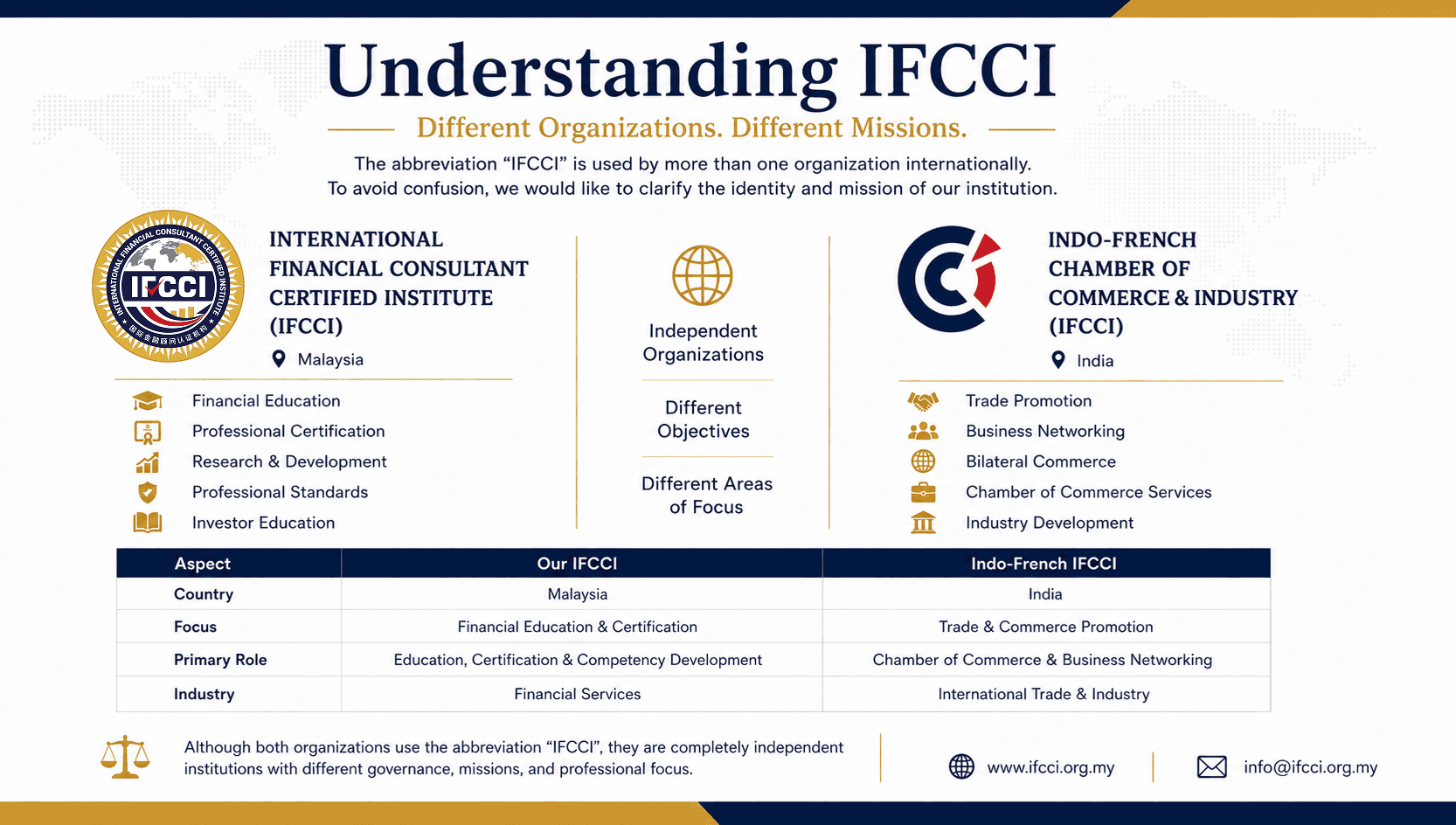
Understanding IFCCI: International Financial Consultant Certified Institute and Other Organizations Using the IFCCI Acronym
27 Jul 2026

Why International Financial Skills Championships Matter in Developing Global Financial Excellence
13 Jul 2026