
Ringgit Trading Higher Next Week on Strong Growth Momentum
Ringgit Set to Trade Higher Next Week on Strong Growth Momentum
The ringgit is expected to trade firmer against the US dollar next week, supported by Malaysia’s resilient economic growth momentum, steady capital flows and improving external conditions.
Currency strategists said sustained domestic growth indicators, coupled with supportive macroeconomic fundamentals, could underpin near-term appreciation bias for the local currency.
Growth Signals Support Sentiment
Recent economic data point to stable expansion across key sectors, including manufacturing, services and export-oriented industries. Analysts noted that Malaysia’s growth resilience, particularly in electronics and commodities, continues to attract portfolio interest.
Stronger economic momentum tends to enhance currency stability by reinforcing investor confidence in fiscal sustainability and external balance conditions.
External Drivers in Focus
Market participants are also monitoring global developments, including US monetary policy expectations and Treasury yield movements, which remain key determinants of regional currency performance.
A softer US dollar environment, if sustained, could provide additional tailwinds for the ringgit, particularly amid improving risk appetite in emerging markets.
Capital Flows and Policy Stability
Malaysia’s relatively stable interest rate environment and prudent monetary policy stance have helped maintain orderly currency movements. Analysts believe continued policy clarity from Bank Negara Malaysia may further reinforce investor positioning.
Foreign fund inflows into equities and bonds, if sustained, could provide incremental support to the ringgit’s near-term trajectory.
Outlook
While short-term volatility cannot be ruled out amid shifting global risk sentiment, the underlying growth narrative suggests a modest upward bias for the ringgit in the coming week.
Currency analysts expect trading to remain data-dependent, with market focus centred on global macro releases and regional capital flow trends.
Related Articles

What Does IFCCI Do? Advancing Financial Education, Certification and Research
7 Aug 2026
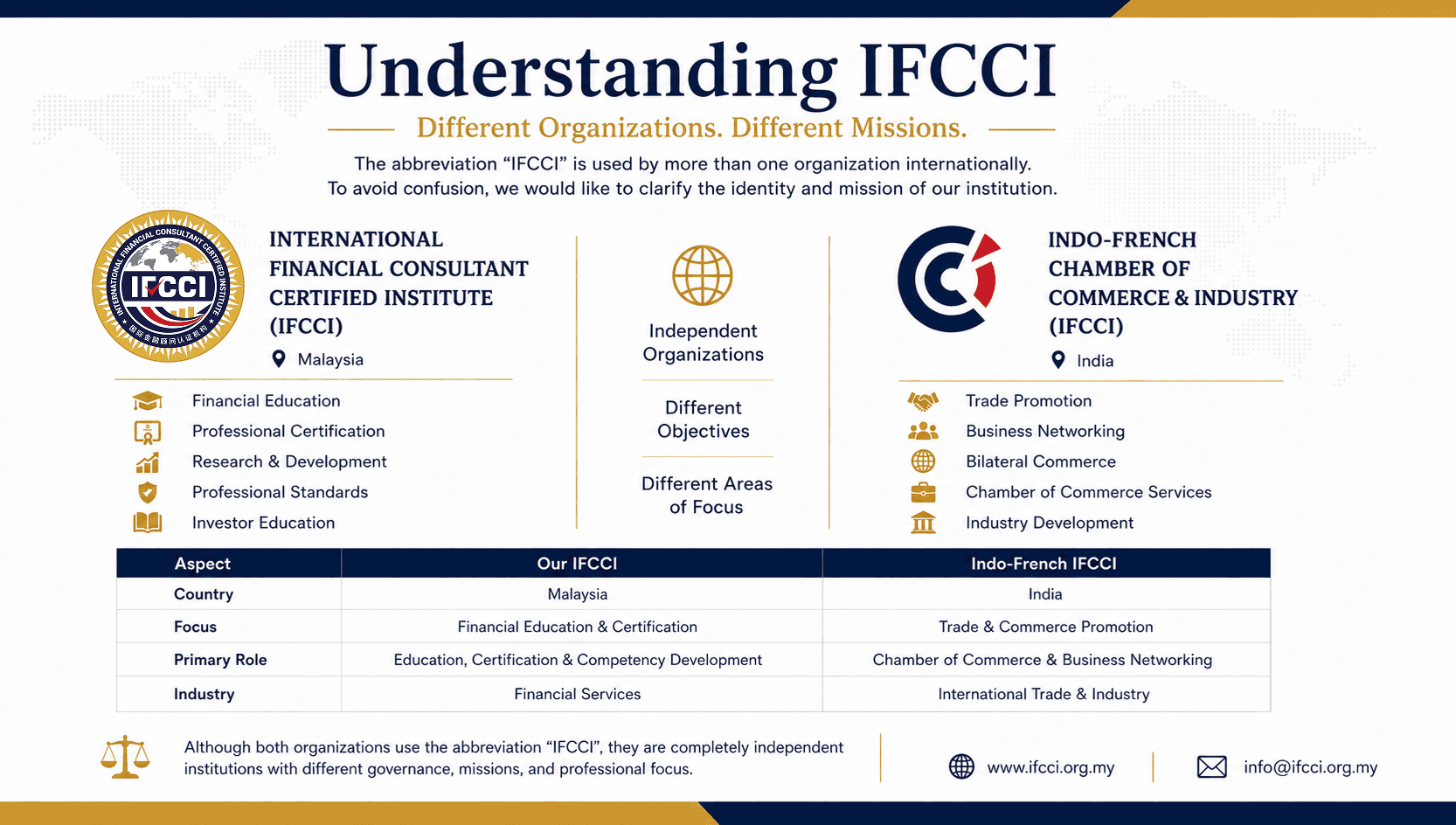
Understanding IFCCI: International Financial Consultant Certified Institute and Other Organizations Using the IFCCI Acronym
27 Jul 2026

Why International Financial Skills Championships Matter in Developing Global Financial Excellence
13 Jul 2026