
Ringgit Rises on US Dollar Weakness | Forex Market Outlook
Ringgit Rises on US Dollar Weakness | Malaysia FX Outlook
By IFCCI Research & Financial Education Desk | August 2025
Macro Overview: Dollar Retreat Fuels Ringgit Gains
The Malaysian Ringgit (MYR) advanced this week, supported by broad-based weakness in the US dollar (USD) as traders reassessed the Federal Reserve’s rate-cut timeline. Softer US labor data and signs of moderating inflation weighed on the greenback, allowing Asian currencies—including the ringgit—to recover.
As of mid-week trading, the USD/MYR exchange rate has slipped toward 4.45, its strongest level in nearly two months. Market participants now view the ringgit as one of the regional beneficiaries of renewed capital inflows into Asia and stabilizing oil prices.
Key Drivers of Ringgit Strength
1. US Dollar Weakness
The latest US inflation and employment figures disappointed, pushing US Treasury yields lower and reducing demand for dollar-denominated assets. Futures markets now price in a 45% probability of a Fed rate cut by December 2025, compared to just 25% earlier in the month.
Historically, periods of dollar weakness tend to lift emerging market currencies, with the ringgit often trading as a proxy for ASEAN growth prospects.
2. Bank Negara Malaysia (BNM) Policy Outlook
Bank Negara Malaysia has maintained a steady monetary policy stance, with its Overnight Policy Rate (OPR) held at 3.00%. While BNM has refrained from aggressive tightening, its emphasis on financial stability and ringgit resilience has reassured markets.
BNM’s statement in July highlighted that “exchange rate movements remain primarily driven by external developments,” signaling that the central bank is comfortable with a gradual strengthening of the currency as long as volatility remains contained.
3. Oil Prices and Commodity Trade
Malaysia, as a net energy exporter, often benefits from stable or rising crude oil and LNG prices. The recent rebound in Brent crude to above $80 per barrel has supported Malaysia’s terms of trade and strengthened investor sentiment toward the ringgit.
4. Regional Growth Momentum
ASEAN economies continue to attract foreign investment, particularly in manufacturing and green technology. Malaysia’s robust trade ties with China and increasing participation in regional supply chains make the ringgit a favored currency among Asia-focused investors.
Technical Analysis: USD/MYR Outlook
From a chart perspective, USD/MYR is trading near 4.45, testing its 50-day moving average (DMA).
- Resistance Levels: 4.50 (psychological barrier), 4.55 (July highs)
- Support Levels: 4.42 (50-DMA), 4.38 (200-DMA), 4.35 (May lows)
- Momentum Indicators: RSI at 52 suggests mild bullish bias for the ringgit, but not yet overbought
Unless the pair breaks above 4.50, technical momentum favors a gradual MYR appreciation toward the 4.42–4.38 zone.
Investor Positioning & Market Sentiment
Institutional Investors
Data from global asset managers indicates increased allocation into Malaysian government bonds, taking advantage of relatively stable yields and improving FX outlook.
Retail Traders
Sentiment surveys from IFCCI show that 68% of retail traders remain net short USD/MYR, reflecting expectations for further ringgit gains.
Cautionary Note
However, analysts warn that sudden shifts in US dollar liquidity conditions could spark volatility. Traders should remain alert to Fed policy surprises and external shocks such as geopolitical risks or oil market disruptions.
Tactical Trading Strategies
Short-Term Traders (1–2 weeks)
- Sell rallies near 4.50–4.52, with stop-loss above 4.55
- Target downside moves toward 4.42 in the short term
Medium-Term Investors (1–3 months)
- Maintain neutral-to-bullish bias on the ringgit
- Hedge USD exposures through options or forward contracts
- Diversify into ASEAN equity and bond markets for growth exposure
Implications for Malaysian & Asian Investors
- Importers and Corporates: A stronger ringgit reduces import costs, particularly in machinery and raw materials.
- Exporters: While a firmer currency can squeeze margins, stable exchange rates help improve predictability for contracts.
- Retail FX Investors: Traders pursuing short-term strategies should focus on technical levels and Fed commentary.
- Portfolio Managers: The ringgit’s resilience makes it an attractive diversification hedge against US dollar volatility.
Authority & Cross-Reference Links
- Bank Negara Malaysia – Monetary Policy Statements
- CFA Institute – Currency Risk in Emerging Markets
- FCA UK – Forex Trading Regulations
- IFCCI – Certified Financial Consultant Programs
Conclusion
The Malaysian ringgit’s rally against the US dollar underscores the shifting dynamics of global FX markets. With the Fed facing pressure from softer economic data and BNM maintaining a steady stance, the ringgit appears well-positioned for further gains—provided external shocks remain limited.
For traders and investors, the prudent approach is to respect technical levels, monitor Fed vs. BNM policy divergence, and ensure portfolios are adequately hedged. As IFCCI research emphasizes, risk management and diversification remain the cornerstones of successful forex investing.
The overarching message: until US economic momentum strengthens, the ringgit has room to benefit from ongoing dollar weakness.
Related Articles

What Does IFCCI Do? Advancing Financial Education, Certification and Research
7 Aug 2026
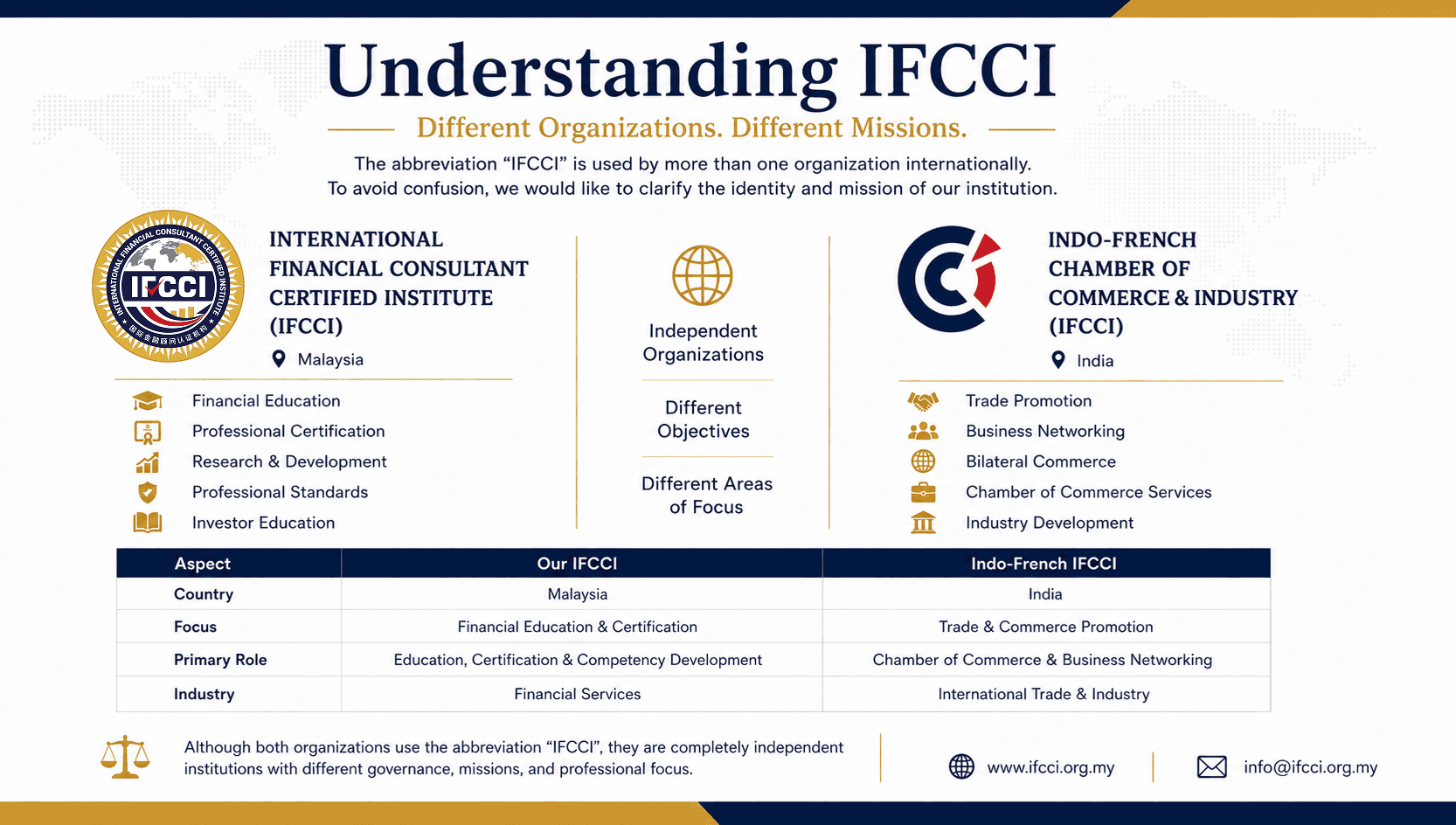
Understanding IFCCI: International Financial Consultant Certified Institute and Other Organizations Using the IFCCI Acronym
27 Jul 2026

Why International Financial Skills Championships Matter in Developing Global Financial Excellence
13 Jul 2026