
Ringgit closes higher amid cautious sentiment
Ringgit Closes Higher Amid Cautious Sentiment
Introduction: Ringgit Gains, But Market Stays Guarded
The Malaysian ringgit (MYR) closed higher on Wednesday, supported by a softer US dollar and cautious investor sentiment ahead of upcoming US and regional economic data. Despite the modest gains, traders and market participants remain cautious as global risk sentiment continues to fluctuate amid uncertainty around US monetary policy, China’s economic momentum, and oil price dynamics.
Ringgit Performance Against Major Currencies
On Wednesday, the ringgit rose slightly against the US dollar, trading around RM4.34 per USD. The gain reflects a combination of US dollar weakness and improved regional sentiment:
- Against the US Dollar (USD): The MYR advanced, tracking the greenback’s pullback as US Treasury yields softened.
- Against the Singapore Dollar (SGD): The ringgit remained range-bound, reflecting balanced regional trade flows.
- Against the Japanese Yen (JPY): The MYR gained modestly, as investors remained cautious on Japan’s yield-curve policy.
- Against the Euro (EUR): The ringgit was slightly weaker, as the euro gained on expectations of less dovish European Central Bank (ECB) policy.
These mixed moves suggest that the ringgit’s gains were largely driven by USD weakness rather than broad regional strength.
Drivers of Ringgit Strength
Several factors contributed to the ringgit’s higher close:
a) US Dollar Weakness
The US dollar index slipped as markets awaited new economic signals, particularly from the Federal Reserve’s latest policy minutes and upcoming US inflation data.
b) Oil Prices Support
As Malaysia is a net exporter of crude oil and palm oil, higher Brent crude prices above USD 78 per barrel offered additional support to the ringgit.
c) Regional Sentiment
Improved sentiment in Asian markets, especially on expectations of Chinese stimulus, provided additional tailwinds.
Market Still Cautious
Despite gains, investors remain cautious due to:
- US Federal Reserve Policy: Markets remain uncertain on whether the Fed will cut rates in late 2025.
- China’s Economic Outlook: Weak demand recovery in China continues to weigh on Malaysian exports.
- Geopolitical Risks: Ongoing tensions in global trade and energy markets limit risk appetite.
These uncertainties mean the ringgit’s gains may be capped in the short term.
Analyst Views
Market analysts highlight that the ringgit may remain range-bound:
- Short-Term Outlook: Traders expect the MYR to hover between 4.32 and 4.36 per USD, depending on US data releases.
- Medium-Term View: The ringgit could strengthen further if the Federal Reserve signals a rate cut, narrowing the interest rate gap between Malaysia and the US.
- Risk Factors: Persistent global risk aversion and volatile oil prices could limit upside momentum.
Implications for Businesses and Investors
For businesses and investors, the ringgit’s cautious strength carries several implications:
- Exporters: May face tighter margins if the ringgit continues to appreciate against the US dollar.
- Importers: Benefit from cheaper import costs, particularly for raw materials priced in USD.
- Investors: Foreign portfolio flows may remain muted until clearer signals emerge from US monetary policy.
Broader Regional FX Context
Across Asia, most currencies mirrored the ringgit’s cautious strength:
- Chinese Yuan (CNY): Slightly firmer on optimism of further government support.
- Thai Baht (THB): Supported by tourism recovery and capital inflows.
- Indonesian Rupiah (IDR): Stable amid Bank Indonesia’s currency-supportive measures.
This shows that the ringgit’s movement is in line with regional peers, driven by dollar weakness and cautious optimism.
Conclusion: Gains, But Limited Visibility
The ringgit’s higher close reflects short-term dollar weakness, firmer oil prices, and regional optimism. However, the broader outlook remains clouded by Fed policy uncertainty, China’s recovery trajectory, and geopolitical risks.
For investors and corporates, the key takeaway is to remain cautious—while the ringgit is likely to find support near RM4.34, upside potential will depend heavily on external macroeconomic developments.
Related Articles

What Does IFCCI Do? Advancing Financial Education, Certification and Research
7 Aug 2026
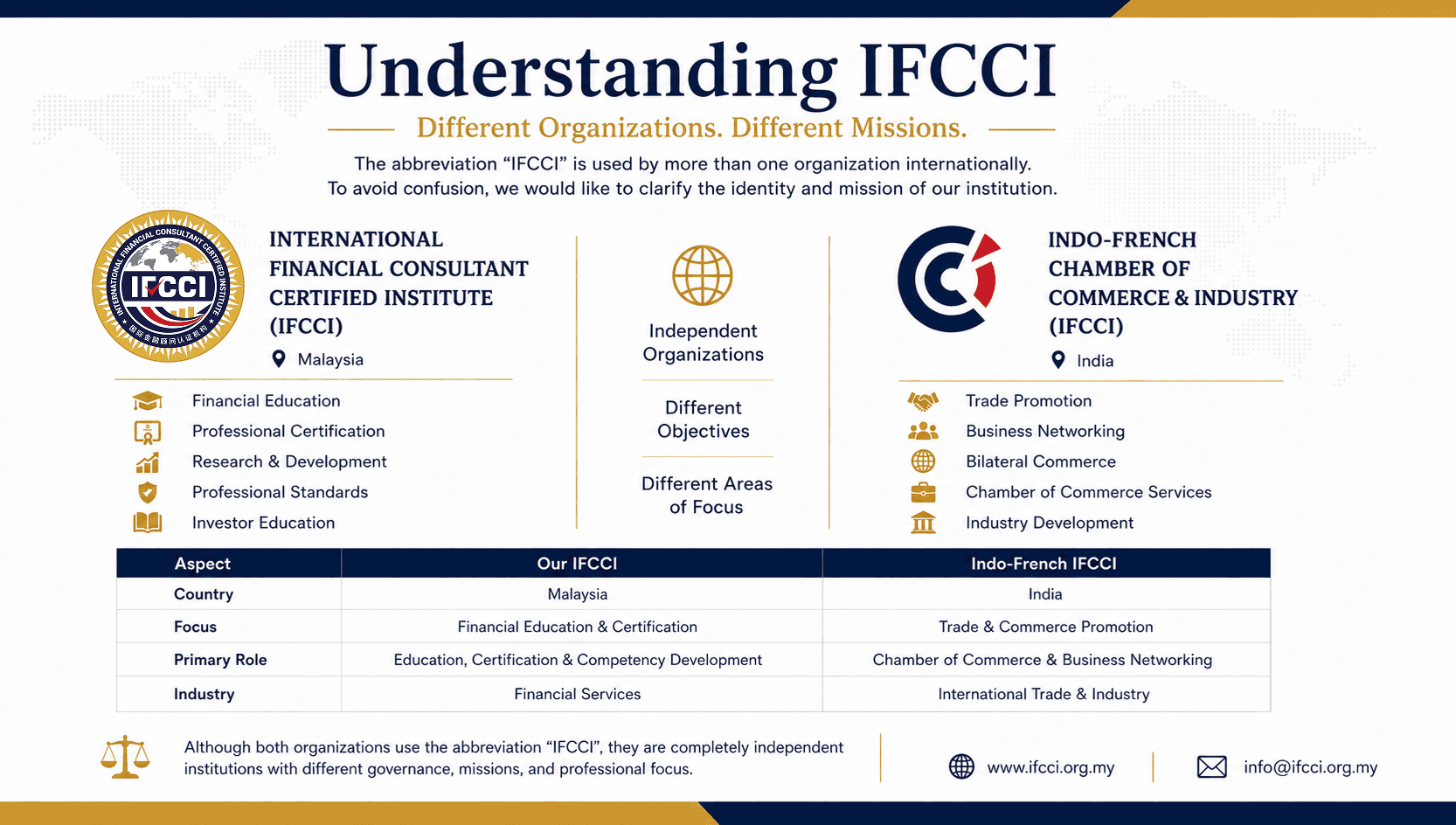
Understanding IFCCI: International Financial Consultant Certified Institute and Other Organizations Using the IFCCI Acronym
27 Jul 2026

Why International Financial Skills Championships Matter in Developing Global Financial Excellence
13 Jul 2026