
Ramsden on the Evolution of the Bank of England’s Resolution
Executive Summary
The Bank of England’s approach to bank resolution has undergone a significant evolution over the past decade, reflecting hard-earned lessons from the global financial crisis and subsequent market stress episodes. In recent remarks, Deputy Governor Dave Ramsden outlined how the Bank’s resolution framework has shifted from crisis-driven improvisation toward a predictable, credible, and pre-positioned regime designed to protect financial stability while minimising risks to taxpayers.
This evolution marks a fundamental change in how authorities prepare for, manage, and resolve failing financial institutions in a complex and interconnected financial system.
From Crisis Management to Structural Preparedness
Prior to the global financial crisis, resolution planning was largely reactive. Authorities relied heavily on emergency liquidity support, ad hoc interventions, and, in some cases, taxpayer-funded bailouts to stabilise the financial system.
Ramsden emphasised that the post-crisis period prompted a strategic rethink, leading to:
- The creation of formal resolution regimes
- Clear allocation of responsibilities among authorities
- Legal tools to manage bank failures without disrupting critical services
The focus has shifted decisively from “if a bank fails” to “when a bank fails”, ensuring that failure can be managed without systemic fallout.
Key Pillars of the Modern Resolution Framework
According to Ramsden, the Bank of England’s current approach rests on several core pillars:
1. Loss Absorbency and Bail-In Readiness
Banks are now required to maintain sufficient loss-absorbing capacity to recapitalise themselves in resolution. This ensures that shareholders and creditors—not taxpayers—bear the costs of failure.
2. Continuity of Critical Functions
Resolution planning prioritises the uninterrupted provision of essential services such as payments, deposits, and lending to households and businesses.
3. Operational Resolvability
Institutions must demonstrate that their legal structures, funding arrangements, and information systems can support resolution execution at speed and scale.
4. Market Credibility
A credible resolution regime reinforces market discipline by making it clear that investors cannot assume implicit public support.
Reducing Moral Hazard and Taxpayer Risk
One of the central objectives of the evolved framework is to address moral hazard. Ramsden highlighted that expectations of public rescue weaken market discipline, distort risk pricing, and encourage excessive leverage.
By embedding resolution planning into supervisory expectations, the Bank aims to:
- Reduce the probability of disorderly failures
- Ensure losses are internalised by investors
- Strengthen incentives for prudent risk management
This approach supports long-term financial stability while safeguarding public finances.
Learning from Stress Episodes
Subsequent market stress events, including pandemic-era volatility and episodes of rapid rate tightening, have tested resolution frameworks in real time. Ramsden noted that these episodes demonstrated the value of pre-positioned resolution tools, even when full resolution was not required.
The Bank has used these experiences to:
- Refine resolution execution playbooks
- Improve coordination with international authorities
- Enhance transparency around resolution expectations
The Role of Communication and Market Confidence
An increasingly important aspect of resolution policy is communication. Ramsden underscored that clarity and consistency in messaging are essential to maintaining confidence during periods of stress.
Clear articulation of:
- Resolution strategies
- Creditor hierarchies
- Authorities’ decision-making processes
helps prevent panic-driven market reactions and reduces the risk of self-fulfilling crises.
Resolution in a Changing Financial Landscape
The Bank’s evolving approach also reflects structural changes in the financial system, including:
- Greater non-bank financial intermediation
- Increased cross-border banking activity
- Higher reliance on market-based funding
Ramsden acknowledged that resolution frameworks must continue to adapt to these shifts, ensuring that new sources of systemic risk are addressed without stifling innovation or competition.
IFCCI Assessment: Resolution as a Cornerstone of Modern Central Banking
The IFCCI Research Division assesses that the Bank of England’s resolution framework now represents a core pillar of modern central banking, rather than a peripheral crisis-management tool.
Key strengths of the current approach include:
- Credibility built through pre-positioning and transparency
- Reduced fiscal risk exposure
- Improved resilience of the banking system
However, continued vigilance is required as financial structures evolve and global interconnections deepen.
Outlook: Incremental Refinement, Not Radical Change
Looking ahead, IFCCI expects the Bank of England to pursue incremental refinement rather than radical overhaul of its resolution regime.
Future priorities are likely to include:
- Further strengthening operational resolvability
- Enhancing cross-border cooperation
- Extending resolution principles to non-bank systemic entities
The overarching objective remains unchanged: ensuring that financial institutions can fail without destabilising the system they serve.
Conclusion
Ramsden’s remarks highlight how the Bank of England’s approach to resolution has matured into a robust, credible, and forward-looking framework. By embedding resolution into the core of financial supervision and stability policy, the Bank has significantly reduced systemic risk and taxpayer exposure.
As financial markets continue to evolve, the success of this approach will depend on sustained discipline, clear communication, and ongoing adaptation to emerging risks.
Related Articles

What Does IFCCI Do? Advancing Financial Education, Certification and Research
7 Aug 2026
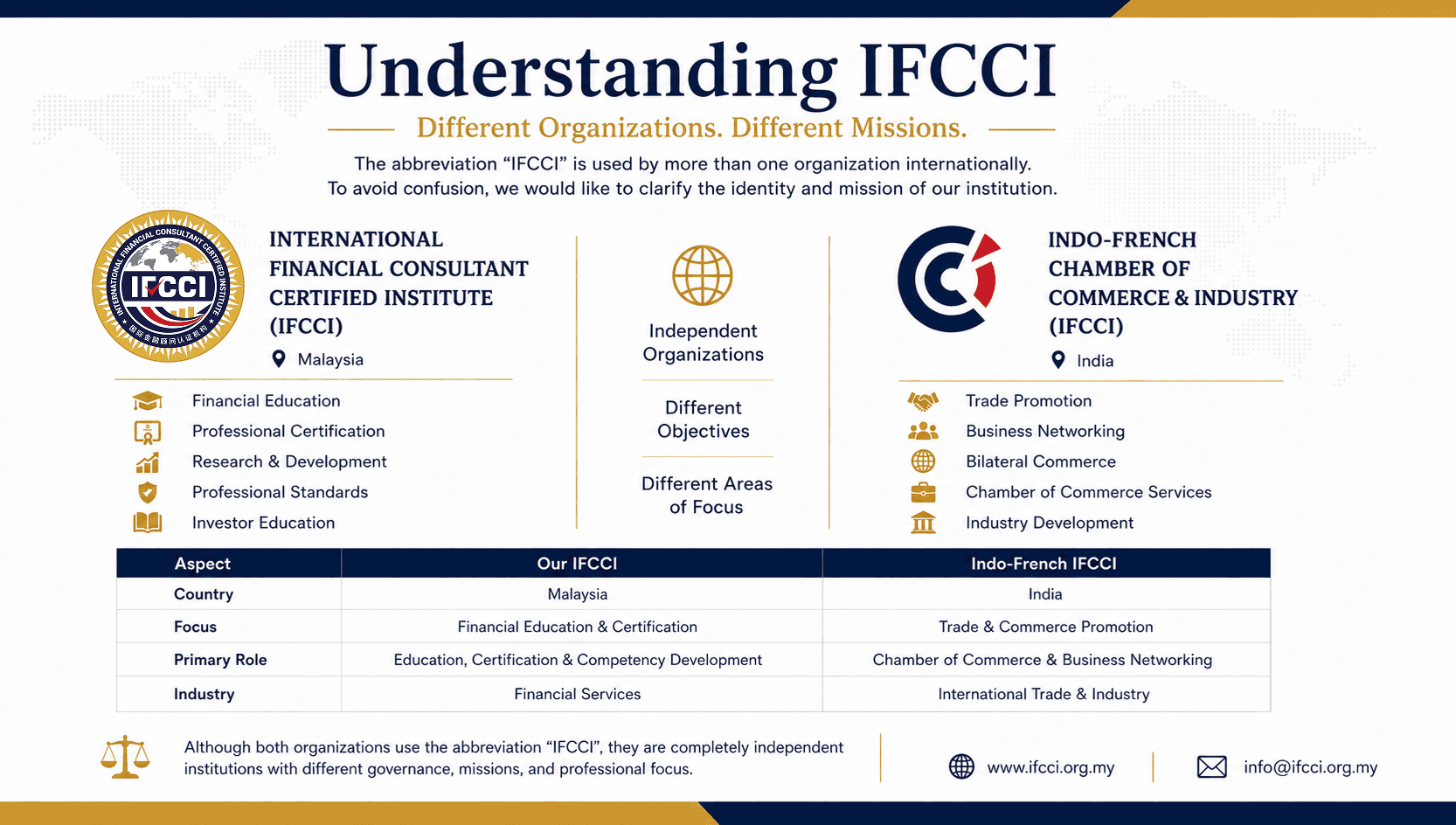
Understanding IFCCI: International Financial Consultant Certified Institute and Other Organizations Using the IFCCI Acronym
27 Jul 2026

Why International Financial Skills Championships Matter in Developing Global Financial Excellence
13 Jul 2026