
Predicts Ethereum to $20,000 by 2026 Tokenisation Wave
Tom Lee Forecasts Ethereum Rally to $20K on 2026 Tokenisation Boom
Fundstrat co-founder Tom Lee has reiterated his highly optimistic outlook on Ethereum (ETH), projecting that the world’s second-largest digital asset could reach US$20,000 by 2026, supported primarily by what he describes as a “historic acceleration” in real-world asset (RWA) tokenisation.
According to Lee, the next major phase of digital-asset market growth will not be led by speculative retail demand, but by institutional adoption of tokenised financial infrastructure, a development he believes will overwhelmingly favour Ethereum.
Tokenisation: The Core Catalyst Behind Lee’s Projection
Lee’s updated forecast is anchored in the belief that by 2026, financial institutions, governments, and multinational corporations will have shifted a significant portion of their settlement and asset-management operations onto blockchain-based platforms.
He identifies three structural trends driving this transformation:
1. Rapid Growth of On-Chain Capital Markets
Bond issuance, private equity, credit instruments, and short-term liquidity products are increasingly being structured using tokenised formats. Traditional custodians and major asset managers are already piloting Ethereum Virtual Machine (EVM)–compatible systems to test rapid settlement and enhanced transparency.
2. Regulatory Alignment in Key Markets
New frameworks in the United States, Europe, and parts of Asia aim to standardise tokenised financial products. Lee argues that Ethereum, being the most battle-tested programmable blockchain, stands to benefit as institutions require auditability, smart-contract maturity, and stability over experimental alternatives.
3. Institutional-Grade Scaling Solutions
Layer-2 networks, rollup architectures, and upcoming Ethereum roadmap upgrades substantially reduce transaction costs and throughput constraints. Lee notes that institutional flows remain small relative to future expectations, suggesting that Ethereum’s settlement role may expand exponentially.
Market Implications: ETH’s “Unpriced Tailwinds”
Lee argues that the market continues to underestimate Ethereum’s structural role in the emerging tokenised economy. He highlights several dynamics that could accelerate price discovery:
- Increased institutional balance-sheet allocation as tokenised deposits and short-term credit instruments begin interacting directly with DeFi infrastructure.
- A surge in network revenue, particularly from settlement fees and liquidity provisioning.
- An expansion of ETH’s status as a yield-bearing asset, particularly after smart-contract upgrades streamline staking architecture.
- A reduction in ETH circulating supply, driven by long-term staking and tokenisation-related lockups.
Fundstrat’s internal models suggest that even conservative adoption rates lead to a multi-trillion-dollar tokenisation market by 2026—numbers that, in Lee’s view, justify an ETH valuation far exceeding previous cycle highs.
How Realistic Is a US$20,000 Ethereum?
While Lee remains one of the most outspoken Ethereum bulls, several analysts note that his projection assumes:
- Smooth regulatory implementation in major markets
- Stability in macroeconomic conditions
- Continued scalability improvements across the Ethereum ecosystem
- Sustained institutional demand for tokenised settlement infrastructure
Critics highlight that Ethereum still faces competition from faster layer-1 ecosystems, as well as challenges related to network centralisation, validator concentration, and variable liquidity conditions during risk-off market phases.
However, many institutional strategists agree with Lee on one key point: tokenisation is no longer theoretical, and early adoption momentum is already measurable.
Ethereum’s Strategic Positioning Ahead of 2026
Ethereum’s dominance in the smart-contract sector—over 50% of total value locked and an ecosystem of thousands of developers—continues to give it a wide structural moat.
Key developments strengthening Ethereum’s outlook include:
- Corporate blockchain deployments using EVM standards
- Growth of tokenised treasury bill products
- Maturity of enterprise-grade L2 solutions
- Interoperability frameworks linking legacy financial systems with Ethereum-based settlement rails
For these reasons, Lee asserts Ethereum remains the primary infrastructure layer for tokenisation until at least 2030.
Conclusion: A High-Conviction Bet on Institutional Blockchain Adoption
Tom Lee’s US$20,000 Ethereum thesis is bold but strategically aligned with a rapidly accelerating global shift towards blockchain-based financial products. If tokenisation expands at the pace institutional research groups anticipate, Ethereum may indeed be positioned for one of the most significant value repricings in digital-asset history.
Whether or not ETH reaches Lee’s ambitious target, the market consensus appears to be strengthening: tokenisation is set to become one of the defining forces shaping global finance between 2025 and 2030, and Ethereum remains at the forefront of that transformation.
Related Articles

What Does IFCCI Do? Advancing Financial Education, Certification and Research
7 Aug 2026
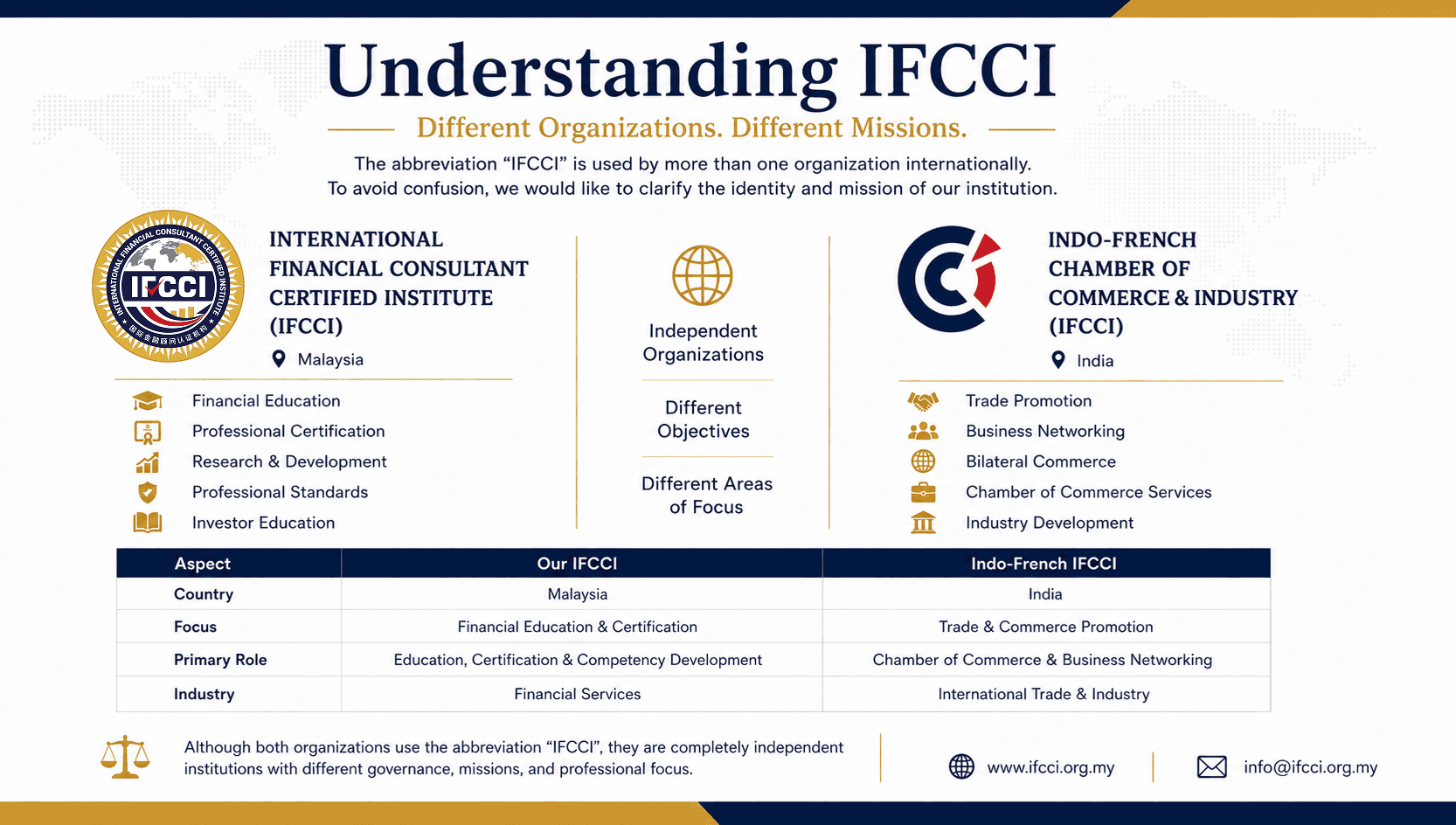
Understanding IFCCI: International Financial Consultant Certified Institute and Other Organizations Using the IFCCI Acronym
27 Jul 2026

Why International Financial Skills Championships Matter in Developing Global Financial Excellence
13 Jul 2026