
Philip Lane Flags Dollar Funding Risk for European Banks
🧱 Article Structure
H1: ECB’s Lane Flags US Dollar Risk for Banks Amid Tariff Turmoil
H2: Rising Tariff Uncertainty Strains Global Liquidity
The European Central Bank’s Chief Economist Philip Lane has cautioned that the latest round of U.S. tariff actions could expose Eurozone banks to a new wave of U.S. dollar liquidity risks, as trade volatility spills into financial markets.
Speaking in Frankfurt on Thursday, Lane noted that higher import tariffs and retaliatory measures are reshaping capital flows, amplifying foreign-exchange mismatches and funding imbalances for European lenders with dollar-denominated exposures.
“We are seeing a notable tightening in global dollar funding conditions,” Lane said.
“Banks with unhedged U.S. dollar liabilities must actively manage refinancing risks, particularly under trade-induced volatility.”
H2: Dollar Dominance Returns as Global Trade Fractures
The resurgence of U.S. dollar strength in 2025 — driven by safe-haven demand and widening yield differentials — has reawakened structural vulnerabilities across Europe’s financial system.
Analysts at IFCCI note that more than 60% of Eurozone cross-border trade settlements still rely on the dollar, despite policy pushes for euro internationalization.
“When trade wars flare, dollar demand spikes — not just for trade, but as a collateral asset,” said Dr. Elaine Tan, IFCCI’s Chief Economist.
“That dynamic creates systemic risk for European banks dependent on short-term USD swaps or repo funding.”
This dynamic mirrors the 2018–2019 tariff cycle, when European institutions faced a spike in basis swap spreads, triggering ECB-Fed coordination to stabilize liquidity through FX swap lines.
H2: ECB Policy Outlook — Balancing Liquidity and Inflation
Despite ongoing inflation moderation within the Eurozone, Lane emphasized that monetary policy must remain flexible, as external trade shocks complicate the disinflation process.
He reaffirmed the ECB’s readiness to deploy liquidity instruments — including U.S. dollar swap operations — should market stress reemerge.
“We are not currently observing severe funding stress,” Lane clarified,
“but vigilance is warranted as global trade policy remains unpredictable.”
The ECB’s main refinancing rate currently stands at 3.25%, following a measured pace of rate normalization aligned with the Bank’s medium-term inflation target.
H2: IFCCI Insight — Currency Risk and Financial Advisory Implications
For financial advisors and portfolio managers, the ECB’s warning carries significant implications:
- Currency exposure management must be actively reassessed amid USD volatility.
- Euro-denominated portfolios may face hidden risks if underlying firms have USD liabilities.
- Cross-hedging strategies using FX swaps or options can mitigate dollar liquidity shocks.
“In periods of trade turbulence, asset-liability currency mismatches become silent killers,” noted Marcus Leong, Senior Risk Strategist at IFCCI.
“Advisors must evaluate both corporate exposure and systemic liquidity indicators.”
H2: The Broader Geoeconomic Context
The warning from Lane comes amid escalating U.S.–China trade tensions and renewed talk of sector-specific tariffs targeting European exports.
As global supply chains fragment, emerging-market currencies — from the Malaysian ringgit to the Turkish lira — have faced heightened dollar pressure, prompting central banks to intervene or strengthen reserve buffers.
“If dollar strength persists alongside fragmented trade blocs, smaller economies will face dual stress — imported inflation and higher external debt costs,” Dr. Tan explained.
The IFCCI’s latest Monetary Risk Tracker (October 2025) estimates that European banks’ aggregate USD funding gap could reach US$1.3 trillion by mid-2026 if current trends continue.
H2: What Comes Next — Policy Coordination and Risk Containment
Historically, ECB-Fed swap line coordination has proven vital in containing cross-border liquidity shocks.
Experts anticipate a renewed round of transatlantic policy dialogue to safeguard financial stability, particularly if the U.S. election cycle intensifies trade-related volatility.
Meanwhile, IFCCI analysts believe that macroprudential measures — including enhanced stress-testing for USD exposures — will become central to European regulatory agendas.
“Lane’s message is clear,” Leong summarized.
“Monetary policy alone cannot offset the collateral effects of protectionism. Financial resilience must be rebuilt at the institutional level.”
Related Articles

What Does IFCCI Do? Advancing Financial Education, Certification and Research
7 Aug 2026
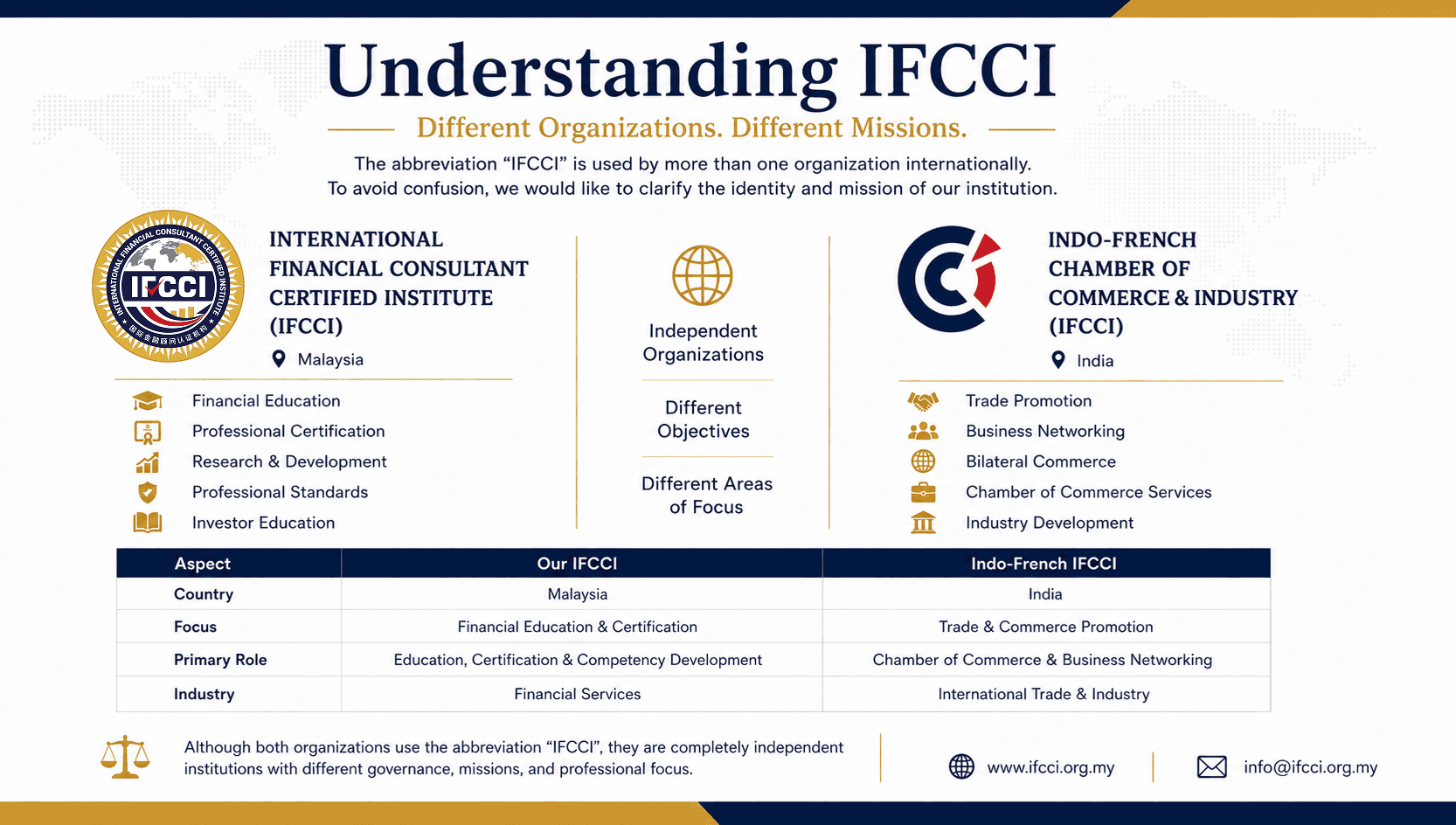
Understanding IFCCI: International Financial Consultant Certified Institute and Other Organizations Using the IFCCI Acronym
27 Jul 2026

Why International Financial Skills Championships Matter in Developing Global Financial Excellence
13 Jul 2026