
Partnership with Absa Bank to Advance Payment Innovation
📰 Ripple Expands African Footprint Through Strategic Partnership with Absa Bank
In a major boost for Africa’s cross-border payment landscape, Ripple Labs Inc. has announced a strategic partnership with Absa Bank, one of South Africa’s largest financial institutions. The collaboration aims to leverage RippleNet’s blockchain infrastructure to modernize and accelerate digital payment flows across multiple African markets.
This partnership underscores Ripple’s ongoing global expansion and marks a pivotal moment for Africa’s rapidly evolving fintech ecosystem — where demand for faster, cheaper, and transparent remittance solutions is surging.
🌍Ripple’s Expansion Strategy: From Pilot to Continental Network
Ripple’s partnership with Absa Bank forms part of its broader strategy to establish a unified cross-border payment network throughout emerging markets.
Following successful integrations in the Middle East, Latin America, and Southeast Asia, the company now sets its sights on Africa’s $100+ billion annual remittance market.
“Africa represents one of the most fragmented yet promising corridors for blockchain-based financial innovation,” said Brooks Entwistle, Ripple’s SVP of Global Customer Success.
“Partnering with a respected regional player like Absa allows us to build scalable payment rails that align with local regulations and banking frameworks.”
RippleNet, which operates on XRP Ledger (XRPL), enables near-instant settlements and cost efficiencies that traditional SWIFT-based networks often lack.
🏦Why Absa Bank Matters: Regional Reach and Compliance Strength
Absa Bank Group, headquartered in Johannesburg, is one of Africa’s leading banking groups with a presence in 12 countries, serving over 42 million customers.
Its infrastructure and regulatory familiarity across markets like Kenya, Ghana, Nigeria, and South Africa make it an ideal partner for Ripple’s expansion.
“Our collaboration with Ripple aligns with Absa’s vision to enhance financial inclusion through technology,” said Paul O’Sullivan, Absa’s Group Chief Digital Officer.
“By integrating blockchain technology into our payment systems, we can drastically reduce transaction friction and expand access to underserved populations.”
Through this partnership, Absa will pilot RippleNet’s On-Demand Liquidity (ODL) solution, using XRP as a bridge asset to facilitate real-time currency conversion between African and global markets.
🔄The Bigger Picture: Africa’s Cross-Border Payments Revolution
Africa’s financial ecosystem remains fragmented, with high remittance costs and slow settlement times. According to the World Bank, the average cost of sending money to sub-Saharan Africa is 8.9%, the highest in the world.
Blockchain networks like RippleNet aim to cut this figure to under 3%, while improving transparency and liquidity access for banks and fintech operators.
Recent years have also seen similar moves by:
- Stellar Development Foundation, partnering with MoneyGram and Bitso;
- Mastercard, launching its Africa Fintech Express initiative;
- African Continental Free Trade Area (AfCFTA), emphasizing digital trade integration.
Ripple’s entry adds competitive momentum and regulatory validation to these ongoing efforts.
💱Regulatory Alignment and Risk Management
A critical success factor for Ripple’s African strategy will be compliance. Ripple’s recent regulatory settlement with the U.S. SEC, coupled with its licensing in Singapore and Dubai, has strengthened its standing as a compliant fintech infrastructure provider.
Absa, regulated by the South African Reserve Bank (SARB) and Financial Sector Conduct Authority (FSCA), provides the local compliance backbone to ensure alignment with AML/CFT frameworks and cross-border data laws.
“The fusion of Ripple’s blockchain transparency and Absa’s regional regulatory strength creates a sustainable model for digital payment growth,” said Dr. Ian Lim, IFCCI Fintech Analyst.
📊Economic & Financial Implications
Key Expected Outcomes:
- Reduced Remittance Costs: From 8–9% to below 3%.
- Improved Transaction Speed: From 2–3 days to under 5 seconds.
- Enhanced Liquidity Access: Through ODL (On-Demand Liquidity).
- Greater Financial Inclusion: Especially for SMEs and migrant workers.
The initiative is also expected to attract institutional investors, as blockchain infrastructure becomes a core component of Africa’s payment modernization agenda.
🧩IFCCI’s View: Implications for Financial Consultants
From the IFCCI standpoint, this partnership serves as a case study in digital financial transformation.
For certified financial consultants, understanding such blockchain integrations is increasingly essential to advisory and compliance work.
The IFCCI Diploma in Crypto Advisory & Blockchain Finance emphasizes:
- Understanding regulatory harmonization between traditional finance and blockchain.
- Analyzing cross-border liquidity frameworks (e.g., RippleNet vs SWIFT).
- Integrating blockchain solutions in wealth management and remittance consulting.
🔗Internal Linking Strategy (IFCCI Site SEO Network)
| Target Page | Anchor Text | SEO Objective |
|---|---|---|
| /crypto-advisory-diploma | IFCCI Diploma in Crypto Advisory | Education / Conversion |
| /fintech-certification | Fintech Certification Program | Keyword crosslink |
| /research/digital-payments | Digital Payments Research Report | Authority consolidation |
| /news/blockchain-regulation-asia | Blockchain Regulation in Asia | Contextual linking |
Conclusion: Africa’s Fintech Leap Forward
The Ripple–Absa partnership marks a strategic turning point for Africa’s financial system — transforming the continent from a cost-heavy, fragmented payment environment into a digitally integrated financial hub.
As fintech adoption accelerates, partnerships grounded in regulatory transparency, infrastructure scalability, and inclusivity — like this one — will define the next decade of African finance.
For financial consultants and fintech professionals, the lesson is clear:
The future of finance will be borderless, blockchain-driven, and compliance-first.
Related Articles

What Does IFCCI Do? Advancing Financial Education, Certification and Research
7 Aug 2026
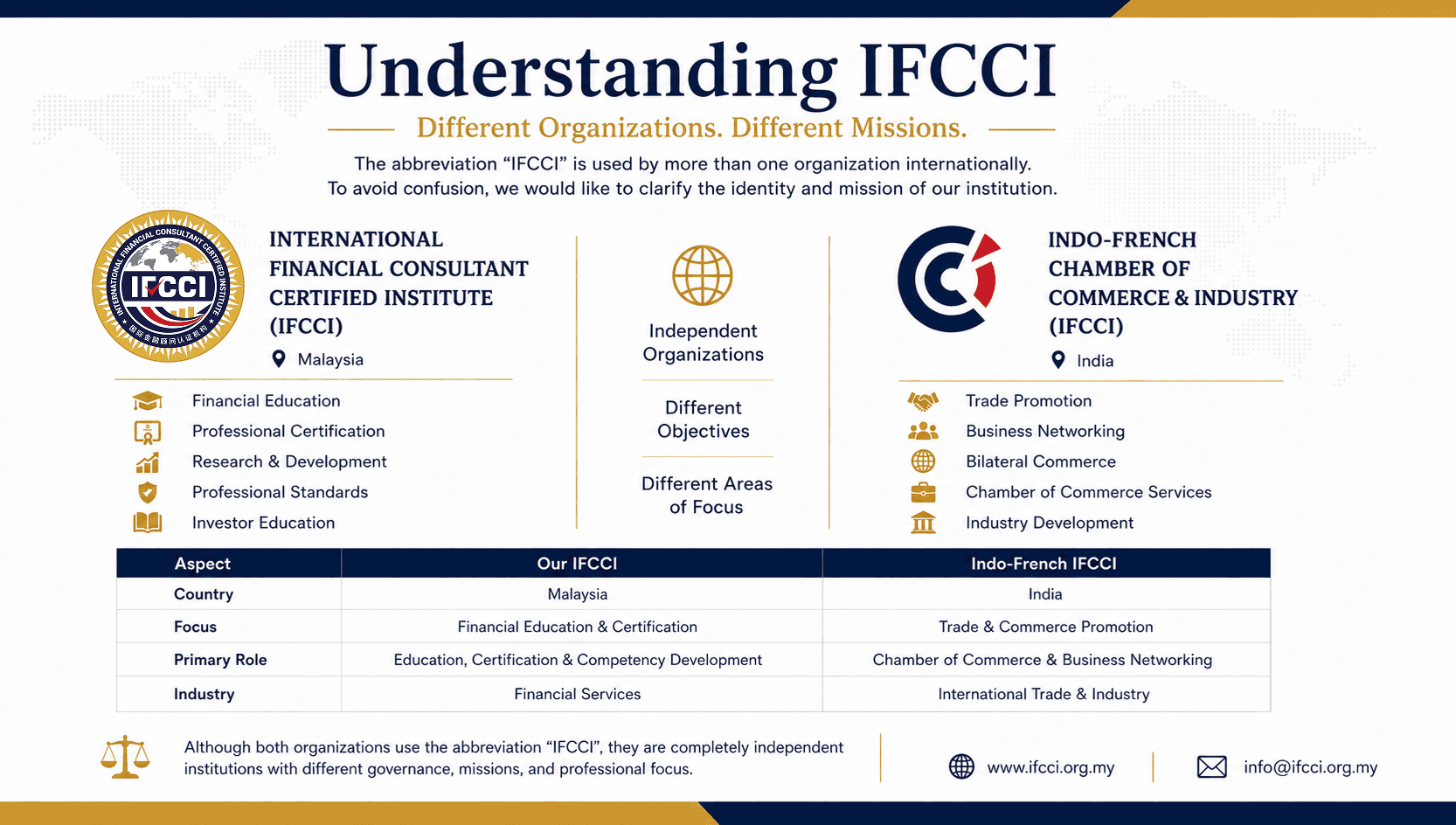
Understanding IFCCI: International Financial Consultant Certified Institute and Other Organizations Using the IFCCI Acronym
27 Jul 2026

Why International Financial Skills Championships Matter in Developing Global Financial Excellence
13 Jul 2026