
New E-Commerce Law Separates Affiliates From Sellers
New E-Commerce Law Will Separate Affiliates From Online Sellers
Introduction: A New Regulatory Era for E-Commerce
The e-commerce industry, once defined by its explosive growth and fluid digital ecosystems, is entering a new phase of regulatory scrutiny and structural reform. A landmark new e-commerce law is set to fundamentally change how online marketplaces operate by separating affiliates from direct online sellers.
The legislation—driven by concerns over transparency, consumer protection, tax compliance, and fair competition—will redraw the boundaries between platform operators, sellers, and affiliate marketers. For businesses, affiliates, and consumers alike, the law introduces both opportunities and challenges, reshaping a trillion-dollar sector at the heart of global trade.
Why This Law Matters
The e-commerce boom has blurred the lines between different players:
- Marketplaces (Amazon, Lazada, Shopee, etc.) function as both sellers and affiliate hubs.
- Affiliates leverage content platforms, social media, and influencer networks to drive sales.
- Sellers often double as affiliates, creating conflicts of interest and regulatory loopholes.
By separating affiliates from online sellers, regulators aim to:
- Ensure Transparency: Prevent sellers from disguising themselves as “independent affiliates.”
- Tax Enforcement: Make affiliate revenues traceable and taxable.
- Consumer Protection: Stop misleading product endorsements or fake reviews driven by hidden incentives.
- Level Playing Field: Ensure small sellers are not disadvantaged by affiliate-driven manipulations.
Key Provisions of the Law
a) Legal Definition of Affiliates vs. Sellers
- Affiliates will be classified as third-party marketing agents who do not own inventory.
- Sellers will be defined strictly as entities that own, control, or distribute physical/digital products.
b) Registration Requirements
- Affiliates must register under a separate licensing regime.
- Sellers must disclose whether they use affiliates and report commissions paid.
c) Transparency Obligations
- Affiliate links and sponsored content must be clearly labeled.
- Marketplaces must display whether a product is promoted via affiliate channels.
d) Taxation and Compliance
- Affiliate commissions will be subject to withholding tax.
- Sellers must submit transaction-level reports separating organic sales from affiliate-driven sales.
Impact on the Industry
For Sellers
- Higher Compliance Costs: Sellers will face stricter reporting obligations.
- Reduced Control: They cannot act as their own affiliates, limiting ability to manipulate rankings.
- Stronger Brand Trust: Transparent practices may boost long-term credibility.
For Affiliates
- Professionalization of Affiliate Marketing: Affiliates become recognized as independent actors.
- Tax Burden: Commission earnings will be more visible, increasing tax liabilities.
- Greater Bargaining Power: As legally distinct entities, affiliates can negotiate commission rates more formally.
For Marketplaces
- Operational Complexity: Platforms must redesign reporting systems.
- Reduced Manipulation Risks: Clear separation may reduce fake traffic and review inflation.
- Policy Harmonization: Platforms may need to standardize rules across countries.
Global Context: Not Just a Local Law
The move reflects a broader global regulatory trend:
- United States: The FTC has expanded its guidelines requiring influencers to disclose affiliate relationships.
- European Union: The Digital Services Act (DSA) mandates stricter e-commerce transparency.
- Asia: Countries like Malaysia, Singapore, and Indonesia are tightening consumer protection laws in digital commerce.
This new law positions the country as a regional leader in e-commerce governance, likely influencing how cross-border platforms operate.
Investor and Corporate Reactions
Corporates
Large e-commerce companies are preparing compliance teams and lobbying for clearer implementation timelines. Smaller sellers fear higher costs and paperwork could push them out of online markets.
Investors
The law is being interpreted as a “short-term pain, long-term gain” scenario:
- Short-term: Lower margins for platforms due to compliance adjustments.
- Long-term: Increased consumer trust could boost sales and platform valuations.
Consumer Perspective
From the consumer side, the law aims to enhance trust in online shopping:
- Clarity: Shoppers will know when they are being targeted by affiliate promotions.
- Reduced Fraud: Fake review networks may shrink as affiliates face legal accountability.
- Better Decision-Making: Transparent labeling allows buyers to distinguish between independent feedback and paid promotion.
However, stricter rules may also mean fewer discounts and reduced promotional activity, as sellers cut back on affiliate spending.
Short-Term Challenges
- Implementation Gaps: Defining “affiliate” vs. “seller” in complex hybrid business models will be tricky.
- Compliance Burden on SMEs: Smaller businesses may struggle with new tax filing obligations.
- Platform Adjustments: Major e-commerce platforms must upgrade technology to track affiliate sales separately.
Long-Term Opportunities
- Market Professionalization: Clear rules could boost investor confidence in e-commerce.
- Global Benchmarking: The law may set a precedent for other jurisdictions.
- Stronger Affiliate Ecosystem: Affiliates recognized as independent actors could innovate and specialize further.
Technical Forecast: Impact on E-Commerce Stocks
E-commerce equities could experience short-term volatility due to compliance costs, but medium-term upside remains intact:
- Q4 2025: Potential slowdown in gross merchandise value (GMV) as sellers adjust.
- 2026–2027: Growth resumes as consumer trust strengthens and affiliate marketing becomes more professional.
Investors should expect selective outperformance by companies with strong compliance frameworks.
Conclusion: Redefining the Digital Marketplace
The new e-commerce law separating affiliates from sellers marks a watershed moment in digital commerce regulation. While it introduces compliance burdens and short-term uncertainties, the long-term impact may be a more transparent, trustworthy, and sustainable online marketplace.
For sellers, affiliates, and platforms alike, the era of regulatory gray zones is ending. The future of e-commerce will be defined not just by innovation, but by compliance, governance, and consumer trust.
Related Articles

What Does IFCCI Do? Advancing Financial Education, Certification and Research
7 Aug 2026
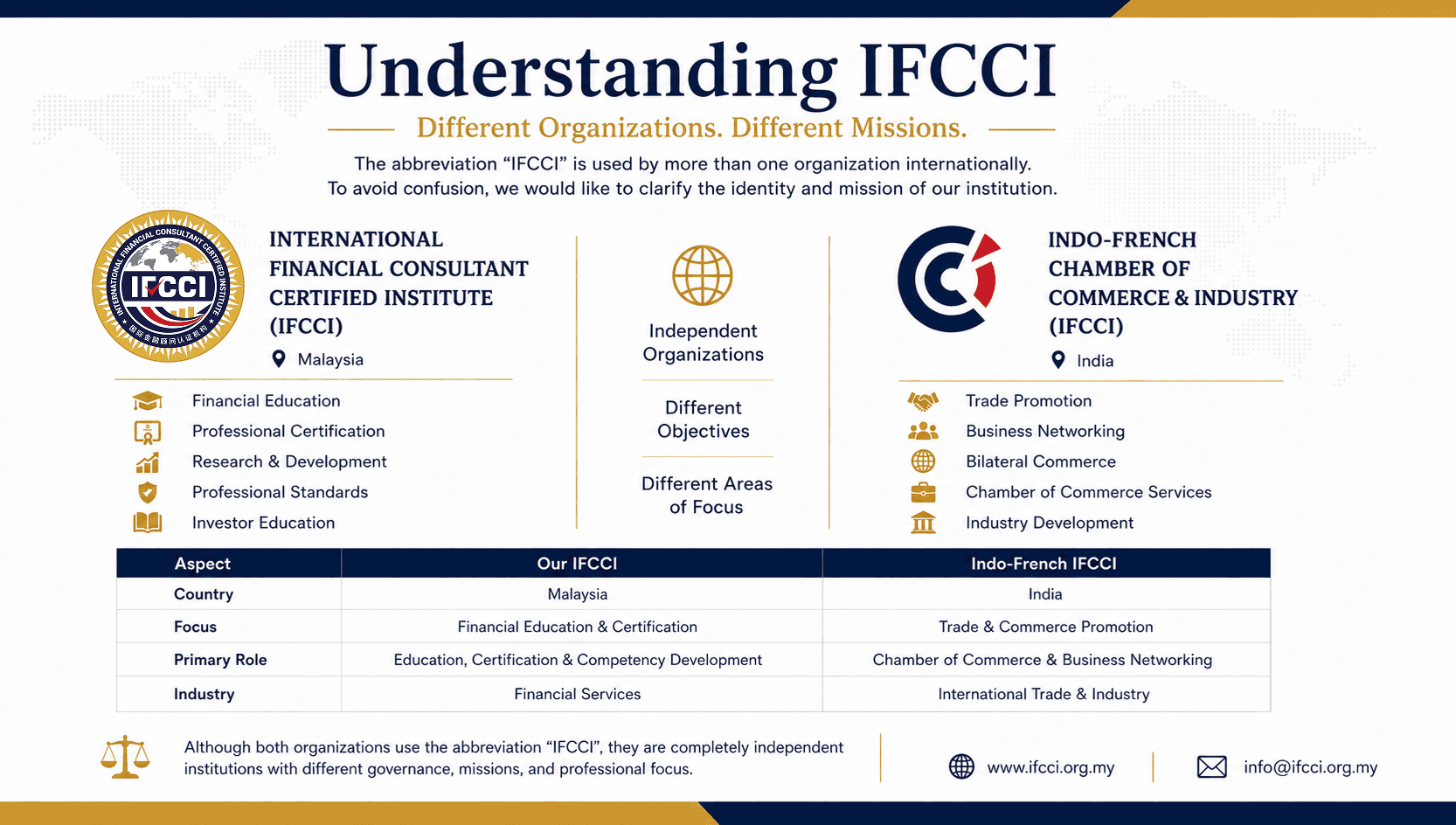
Understanding IFCCI: International Financial Consultant Certified Institute and Other Organizations Using the IFCCI Acronym
27 Jul 2026

Why International Financial Skills Championships Matter in Developing Global Financial Excellence
13 Jul 2026