
Executive Summary
The Monthly Outlook: Weapons examines how the global defense sector and rising geopolitical tensions are reshaping the financial and economic landscape. From defense spending increases across NATO and Asia to the macroeconomic consequences of arms proliferation, this report evaluates the intersection between weapons, capital markets, and central bank policy.
Our analysis identifies three critical dynamics:
- Rising Defense Budgets – Military expenditures are accelerating worldwide, driven by NATO commitments, U.S.-China rivalry, and Middle East instability.
- Weapons as a Market Signal – Arms trade flows are increasingly correlated with commodity prices, inflation, and sovereign debt dynamics.
- Financial Market Implications – Defense equities outperform in times of conflict, while global monetary policy adapts to higher fiscal burdens.
The Global Surge in Defense Spending
According to SIPRI (Stockholm International Peace Research Institute), global defense spending surpassed US$2.5 trillion in 2024, marking a 5% YoY increase. The drivers include:
- U.S. & NATO: Ongoing commitments to Ukraine and Eastern Europe.
- Asia-Pacific: Japan, South Korea, and Australia increasing budgets amid China’s regional assertiveness.
- Middle East: Rising arms imports linked to regional instability.
This weapons-driven fiscal expansion reshapes both national budgets and capital allocation, raising questions of sustainability in high-debt economies.
Weapons and Macroeconomic Policy
Weapons spending is not just a defense issue—it is a macroeconomic variable:
- Inflationary Pressures: Defense contracts raise demand for raw materials (steel, semiconductors, rare earths).
- Fiscal Crowding-Out: Higher military spending competes with social and infrastructure budgets.
- Debt Sustainability: Countries with elevated defense commitments face sovereign credit rating pressures.
- Monetary Policy Dilemma: Central banks must balance inflationary effects of defense spending with growth slowdowns from fiscal trade-offs.
The Arms Trade and Financial Markets
The global arms trade, valued at US$100+ billion annually, acts as both a geopolitical barometer and an investment theme:
- Defense Equities: Companies like Lockheed Martin, BAE Systems, and Raytheon outperform broader indices during conflict escalation.
- Commodity Correlations: Weapons demand boosts oil, rare metals, and aerospace-related commodities.
- Safe-Haven Assets: Gold and U.S. Treasuries rise in tandem with defense escalation, reflecting flight-to-safety dynamics.
Geopolitical Flashpoints Driving Weapons Demand
This month’s key flashpoints influencing defense markets:
- Ukraine Conflict – Sustained Western support keeps U.S. and European defense suppliers in focus.
- Indo-Pacific Militarization – U.S.-China tensions around Taiwan accelerate naval and air defense spending.
- Middle East Security – Drone warfare and missile defense systems fuel Gulf arms purchases.
- Africa & Latin America – Smaller but growing arms markets linked to regional insurgencies and security alliances.
Investment and Risk Management Implications
For institutional investors, the weapons theme carries both opportunities and systemic risks:
- Opportunities:
- Defense sector equities & ETFs.
- Supply chain beneficiaries (aerospace, semiconductors, rare metals).
- Defense-related infrastructure & cybersecurity.
- Risks:
- ESG Backlash: Weapons investments conflict with sustainable finance mandates.
- Fiscal Strains: Sovereign bond markets may weaken as debt burdens rise.
- Market Volatility: Weapon-driven geopolitical shocks can trigger sudden capital flight.
Outlook for the Coming Quarter
- Defense Sector: Continued outperformance as geopolitical risk premiums remain elevated.
- Monetary Policy: Central banks may face hawkish pressures from defense-driven inflation, but will remain cautious amid slowing global growth.
- Global Economy: Rising defense budgets could reduce fiscal space for climate transition and social policies.
Conclusion: Weapons as a Structural Market Force
The weapons sector has transitioned from a niche defense issue to a core macroeconomic driver. Its impact extends from inflation dynamics to equity sector rotations and geopolitical risk premiums.
Going forward, investors, policymakers, and financial educators must treat the weapons industry not only as a matter of security strategy but also as a structural force shaping global economic cycles.
Related Articles

What Does IFCCI Do? Advancing Financial Education, Certification and Research
7 Aug 2026
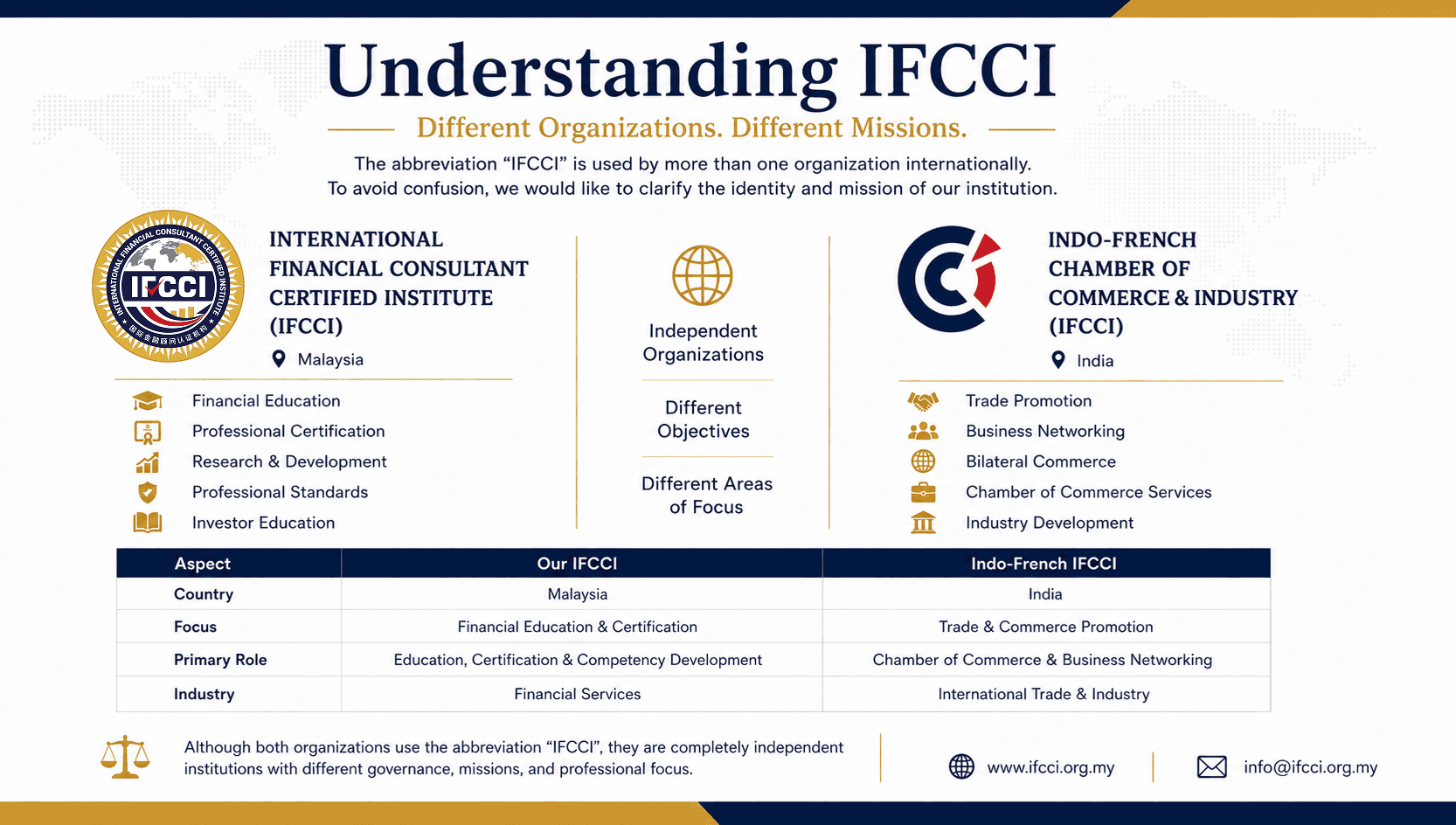
Understanding IFCCI: International Financial Consultant Certified Institute and Other Organizations Using the IFCCI Acronym
27 Jul 2026

Why International Financial Skills Championships Matter in Developing Global Financial Excellence
13 Jul 2026