
Markets Are Not Priced for Perfection: Global Risks in 2025
Markets Are NOT Priced for Perfection
Introduction: Cracks Beneath the Market Optimism
Global financial markets have been trading near all-time highs, fueled by optimism over moderating inflation, central bank policy shifts, and resilient corporate earnings. Yet beneath this rally lies an uncomfortable truth: markets are not priced for perfection.
The phrase underscores the reality that valuations across equities, bonds, and even crypto assets have baked in expectations of smooth economic landings, flawless corporate performance, and a soft pivot from central banks. In truth, any deviation from this “perfect” scenario could trigger sharp volatility.
This article explores the fundamental risks behind market complacency, the macroeconomic signals investors may be ignoring, and the financial strategies that can help navigate a world where optimism often overshadows fragility.
Why Markets Seem Overly Optimistic
- Equity Valuations Stretch Higher
- Price-to-earnings (P/E) ratios in the US and parts of Asia are well above long-term averages.
- Investors appear to expect steady earnings growth despite global supply chain uncertainty and slowing trade.
- Bond Markets Betting on Cuts
- Government bond yields have stabilized as markets price in aggressive rate cuts by the Federal Reserve and European Central Bank.
- Yet, inflationary pressures remain sticky, suggesting central banks may delay easing.
- Cryptocurrency Momentum
- Bitcoin, Ethereum, and altcoins are riding speculative momentum, bolstered by institutional adoption.
- Market sentiment assumes continued liquidity inflows, with little margin for regulatory or technological setbacks.
The Macro Backdrop: Risks That Markets Underestimate
1. Inflation Is Cooling, But Not Conquered
- Core inflation in the US and Europe remains above target.
- Energy price volatility—especially given geopolitical instability in Eastern Europe and the Middle East—could reignite price pressures.
2. Central Bank Policy Uncertainty
- Investors assume rate cuts will arrive as early as Q4 2025.
- If inflation proves stickier than expected, the “higher-for-longer” scenario could shake both equities and bonds.
3. Geopolitical Flashpoints
- Russia-NATO tensions in Ukraine remain a wildcard for energy and currency markets.
- Escalating US-China technology disputes could disrupt trade flows and global supply chains.
4. Fragile Corporate Earnings
- While tech giants have powered equity indices higher, sectors like retail, manufacturing, and real estate show stress.
- Margins could erode if wage pressures continue.
What “Not Priced for Perfection” Means for Investors
Equity Investors
Markets are priced as if earnings growth will remain resilient, but even a modest earnings miss could trigger heavy corrections in overvalued sectors like technology and growth equities.
Fixed Income Investors
Bond markets are aligned with expectations of a dovish policy pivot. Any delay in central bank cuts could lead to losses in duration-heavy portfolios.
Currency Traders (Forex)
The US dollar (USD) is caught between safe-haven demand and expectations of rate cuts. If markets misread Fed signals, volatility in EUR/USD, GBP/USD, and AUD/USD could spike.
Crypto Investors
Digital assets are trading on a wave of institutional enthusiasm. Yet, regulatory actions in the US, EU, or Asia could quickly deflate momentum.
Market Case Studies
1. US Equities and the “Magnificent 7”
- The heavy reliance on tech giants (Apple, Microsoft, Amazon, Tesla, Meta, Alphabet, and Nvidia) to drive market indices means risks are concentrated.
- If growth slows, the S&P 500 could see sharper corrections than anticipated.
2. Bond Market Overconfidence
- 10-year US Treasury yields reflect a “Goldilocks” scenario.
- If inflation rebounds, yields could rise, causing significant bond repricing.
3. Crypto Market Fragility
- Bitcoin has surged on ETF adoption, but speculative leverage remains high.
- The crypto market is vulnerable to regulatory shocks and liquidity crunches.
Investor Strategies: Preparing for Imperfect Markets
- Diversify Across Asset Classes
- Blend equities, bonds, gold, and alternative assets.
- Diversification cushions against sector-specific shocks.
- Focus on Quality and Value
- Seek companies with strong balance sheets, sustainable dividends, and stable earnings rather than pure growth plays.
- Hedge Currency Exposure
- Forex volatility may increase; investors should use hedging instruments to reduce currency risk.
- Allocate to Safe-Haven Assets
- Gold and US Treasuries remain important in a risk-off environment.
- Stay Alert to Geopolitical Developments
- Investors should monitor developments in Ukraine, the Middle East, and US-China relations as triggers for market volatility.
Conclusion: Navigating Reality, Not Perfection
The central message is clear: financial markets are fragile when optimism exceeds reality. Equity valuations, bond yields, and crypto momentum all assume a “best-case” outcome. Yet history shows that markets rarely move in straight lines.
For long-term investors, the strategy is not to avoid risk, but to acknowledge it—balancing optimism with preparation. In a world where markets are not priced for perfection, resilience and discipline matter more than ever.
Related Articles

What Does IFCCI Do? Advancing Financial Education, Certification and Research
7 Aug 2026
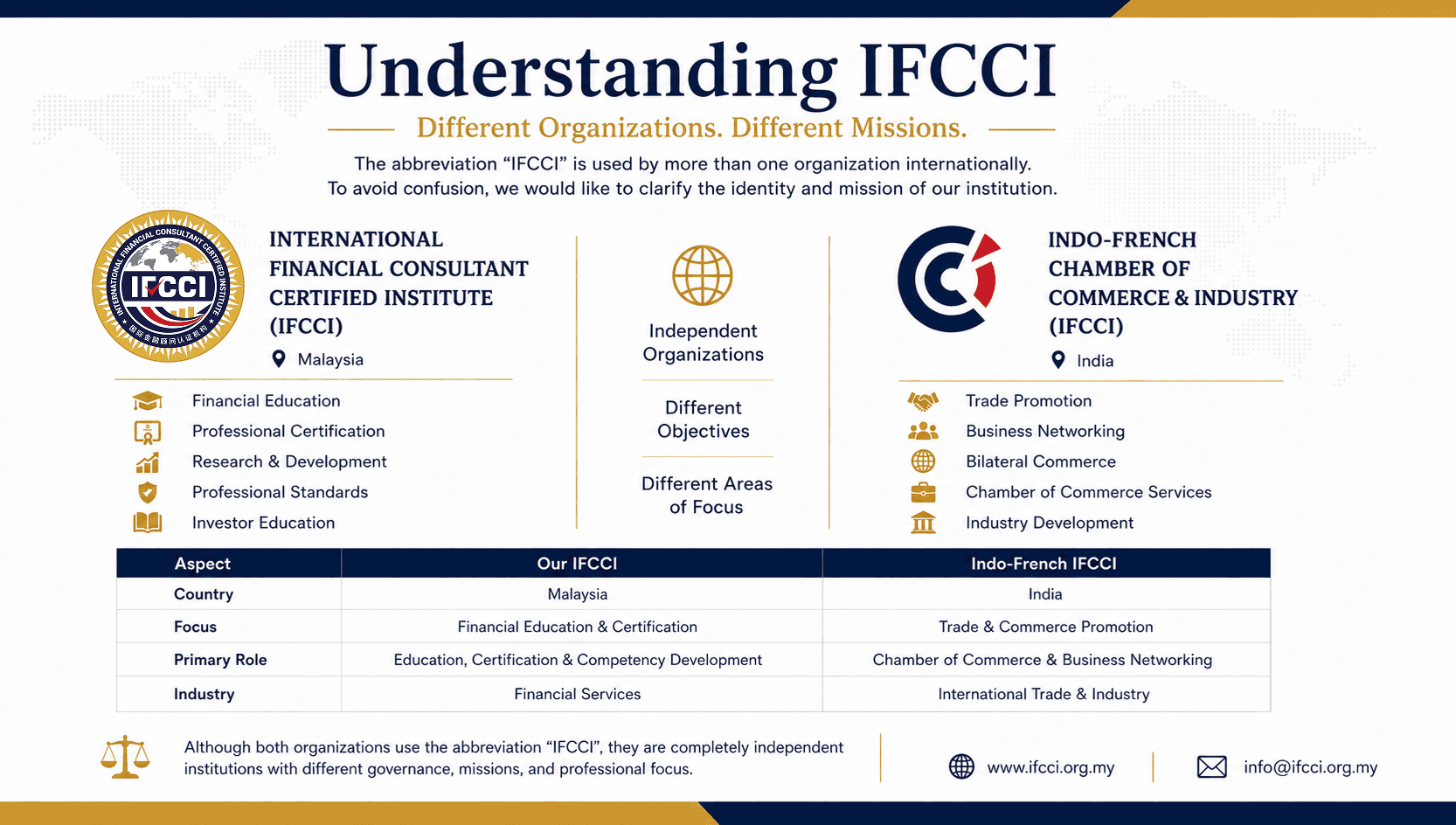
Understanding IFCCI: International Financial Consultant Certified Institute and Other Organizations Using the IFCCI Acronym
27 Jul 2026

Why International Financial Skills Championships Matter in Developing Global Financial Excellence
13 Jul 2026