
Malaysia Strong Global Palm Oil Growth in 2026
Malaysia Optimistic on Global Palm Oil Growth in 2026
Malaysia remains optimistic about the global palm oil industry’s growth prospects in 2026, underpinned by resilient demand from key import markets, improving supply discipline, and supportive biofuel policies across major consuming economies.
Industry stakeholders and policymakers project that global palm oil consumption will continue to expand, driven by structural demand in food processing, oleochemicals and renewable energy applications, despite ongoing geopolitical and trade uncertainties.
Demand Recovery Across Core Markets
Export demand is expected to strengthen in 2026, particularly from India, China, the Middle East and parts of Africa. These regions remain highly dependent on palm oil as a cost-effective vegetable oil, especially amid price volatility in competing oils such as soybean and sunflower oil.
Analysts note that palm oil retains a structural pricing advantage due to its higher yield per hectare and established refining infrastructure. Consumption growth is also likely to benefit from inventory normalisation cycles following earlier supply disruptions and cautious restocking behaviour.
Biofuel Mandates Provide Structural Support
Biofuel blending mandates in Southeast Asia are expected to continue providing a stable domestic demand base. Malaysia’s biodiesel programme, alongside Indonesia’s higher blending mandates, supports steady absorption of crude palm oil (CPO) production, helping to cushion export fluctuations.
Global decarbonisation policies and energy security considerations are further reinforcing the strategic importance of vegetable oil feedstocks within renewable diesel and sustainable aviation fuel supply chains.
Supply Discipline and Production Trends
On the supply side, production growth is expected to remain measured. Industry observers highlight structural constraints, including limited new land development, replanting cycles, labour availability, and compliance costs linked to sustainability regulations such as the European Union’s deforestation rules.
Malaysia’s industry strategy continues to focus on yield enhancement, mechanisation and sustainability certification to maintain export competitiveness while adhering to international ESG standards.
Price Outlook and Market Balance
While palm oil prices may remain subject to short-term volatility due to currency movements, weather conditions and global macroeconomic developments, medium-term fundamentals suggest a relatively balanced market in 2026.
Industry projections indicate that CPO prices are likely to trade within a sustainable range supported by demand resilience and disciplined supply growth, barring significant external shocks.
Strategic Positioning
Malaysia’s continued optimism reflects its intention to strengthen its position as a leading global palm oil exporter while navigating evolving trade dynamics and sustainability requirements.
Market participants expect 2026 to present both opportunities and competitive challenges, but structural demand drivers and biofuel integration are anticipated to underpin sector stability.
Related Articles

What Does IFCCI Do? Advancing Financial Education, Certification and Research
7 Aug 2026
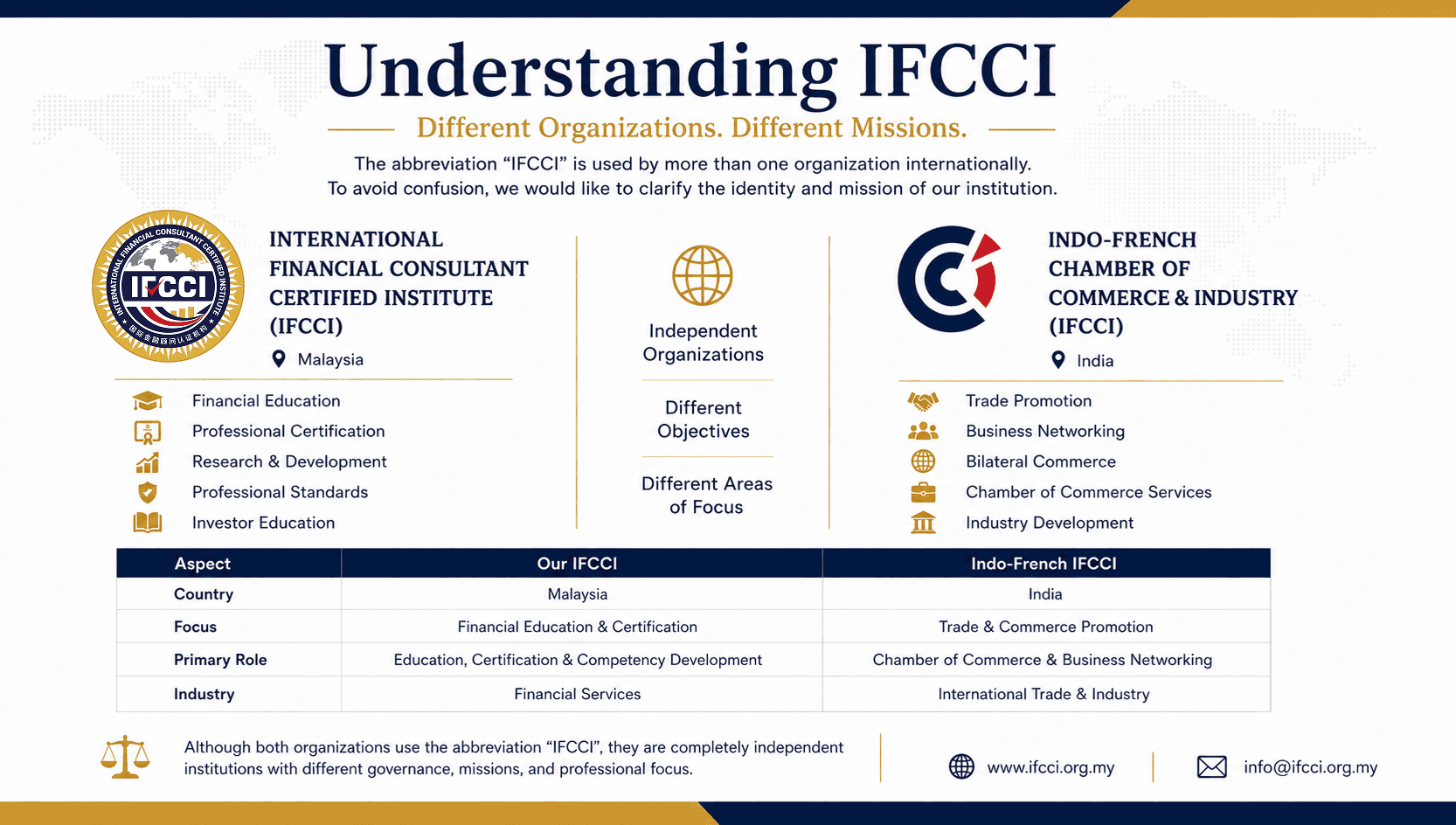
Understanding IFCCI: International Financial Consultant Certified Institute and Other Organizations Using the IFCCI Acronym
27 Jul 2026
Why International Financial Skills Championships Matter in Developing Global Financial Excellence
13 Jul 2026