
Lotte Chemical Titan 4Q Loss Widens to RM1.67bil
Lotte Chemical Titan’s 4Q Net Loss Widens to RM1.67bil on Impairments, Margin Squeeze
Lotte Chemical Titan Holding Bhd reported a sharply wider net loss of RM1.67 billion for the fourth quarter, as impairment charges and persistent margin compression weighed heavily on earnings.
The petrochemical producer said the losses were primarily attributable to non-cash impairment provisions on assets amid prolonged weakness in product spreads and challenging global market conditions.
Impairments Drive Loss Expansion
The group recorded significant impairment charges during the quarter following a reassessment of asset valuations in light of subdued demand and softer average selling prices across key petrochemical products.
Industry analysts noted that regional oversupply, particularly from new capacity additions in China and the Middle East, has exerted sustained pressure on margins, compressing profitability for naphtha-based producers across Asia.
The impairment recognition reflects a more conservative valuation outlook under prevailing cyclical conditions.
Margin Squeeze Persists
Core operating performance remained under strain as product spreads narrowed against feedstock costs. Elevated energy prices earlier in the year, coupled with muted downstream demand recovery, further constrained earnings resilience.
Market observers said the sector continues to grapple with:
- Weak polyethylene and polypropylene margins
- High operating costs
- Sluggish global manufacturing demand
- Competitive export pricing pressures
These factors have limited the ability of regional producers to restore profitability despite selective price adjustments.
Balance Sheet and Outlook
While impairment charges are largely non-cash in nature, the widened net loss underscores the cyclical headwinds facing the petrochemical industry.
Analysts expect margin recovery to remain gradual, contingent on global demand normalisation, supply rationalisation and improved feedstock cost dynamics.
In the near term, earnings visibility remains challenged, with investors closely monitoring capacity utilisation rates, inventory adjustments and signs of demand stabilisation in key export markets.
Related Articles

What Does IFCCI Do? Advancing Financial Education, Certification and Research
7 Aug 2026
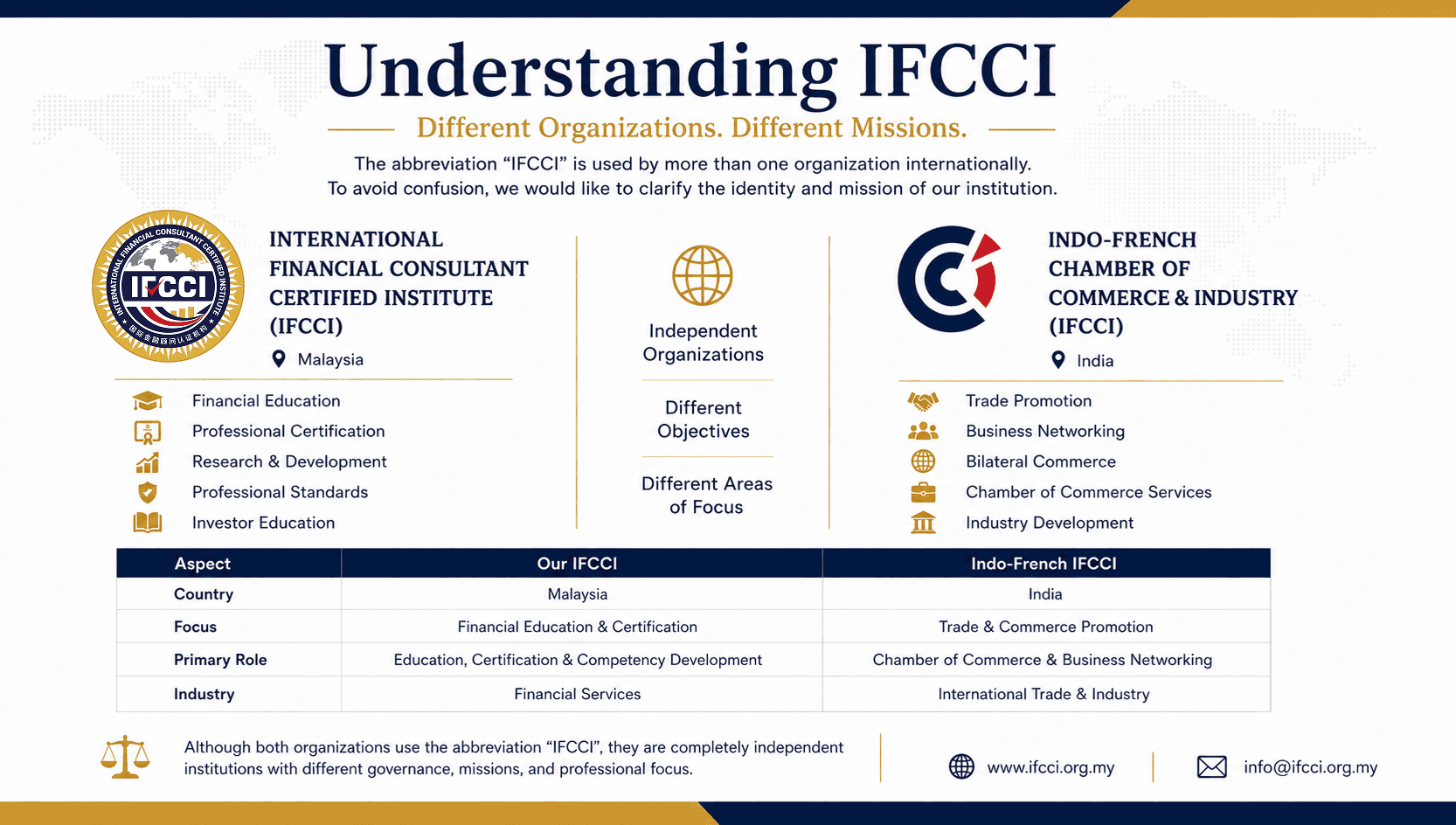
Understanding IFCCI: International Financial Consultant Certified Institute and Other Organizations Using the IFCCI Acronym
27 Jul 2026
Why International Financial Skills Championships Matter in Developing Global Financial Excellence
13 Jul 2026