Long Island Man Sold $2M in Fake Nintendo Products
Some Guy in Long Island Just Sold $2 Million in Fake Nintendo Products
📌 Introduction
In a case that underscores the growing threat of counterfeit goods in the gaming industry, federal authorities reported that a man in Long Island was caught selling over $2 million worth of fake Nintendo products. The bust not only raises concerns about consumer safety but also highlights the scale of black-market operations targeting major brands like Nintendo, Sony, and Microsoft.
🔹 How the Scam Worked
According to law enforcement reports:
- The suspect allegedly imported counterfeit Nintendo consoles, controllers, and accessories from overseas suppliers.
- These items were repackaged to look like authentic Nintendo products and sold online via popular marketplaces.
- Many buyers, unaware of the fraud, paid full retail price for products that were substandard, unsafe, and potentially harmful to gaming devices.
🔹 Why Fake Nintendo Products Are Dangerous
Counterfeit electronics pose multiple risks:
- Electrical Hazards – Cheap knockoffs often fail safety tests, increasing fire and shock risks.
- Software Corruption – Fake games and cartridges may contain malware or damage consoles.
- Consumer Losses – Buyers pay premium prices for products that break easily, with no warranty or official support.
🔹 The Bigger Picture: Counterfeit Gaming Market
The gaming industry, valued at over $250 billion globally, has increasingly become a target for counterfeiters. Fake consoles, controllers, and even NFT-linked in-game items have been seized worldwide.
- Nintendo itself has battled numerous cases in the U.S. and Asia.
- The U.S. Customs and Border Protection (CBP) reports seizing millions of dollars’ worth of counterfeit tech annually.
🔹 Legal & Industry Response
- Nintendo’s Legal Team: The company has consistently pursued legal action against counterfeit distributors.
- Consumer Protection Agencies: The Federal Trade Commission (FTC) warns buyers to only purchase from official retailers.
- Marketplaces: Platforms like Amazon and eBay have stepped up efforts to ban counterfeit sellers, but loopholes remain.
🔹 What Consumers Can Do
To avoid falling victim to fake Nintendo products, experts recommend:
- Purchase only from authorized Nintendo retailers.
- Check for official seals, warranty cards, and serial numbers.
- Be cautious of deals that appear “too good to be true.”
- Report suspected fakes to Nintendo’s Anti-Piracy division or local authorities.
📌 Conclusion
The $2 million fake Nintendo scam in Long Island serves as a reminder that counterfeit products are not limited to luxury goods — they increasingly infiltrate the gaming and tech industries.
For consumers, the lesson is clear: be vigilant, buy only from authorized sources, and stay informed. For regulators and companies like Nintendo, the battle against counterfeiting remains an ongoing challenge, requiring cooperation between law enforcement, marketplaces, and consumers to protect both safety and brand integrity.
Related Articles

What Does IFCCI Do? Advancing Financial Education, Certification and Research
7 Aug 2026
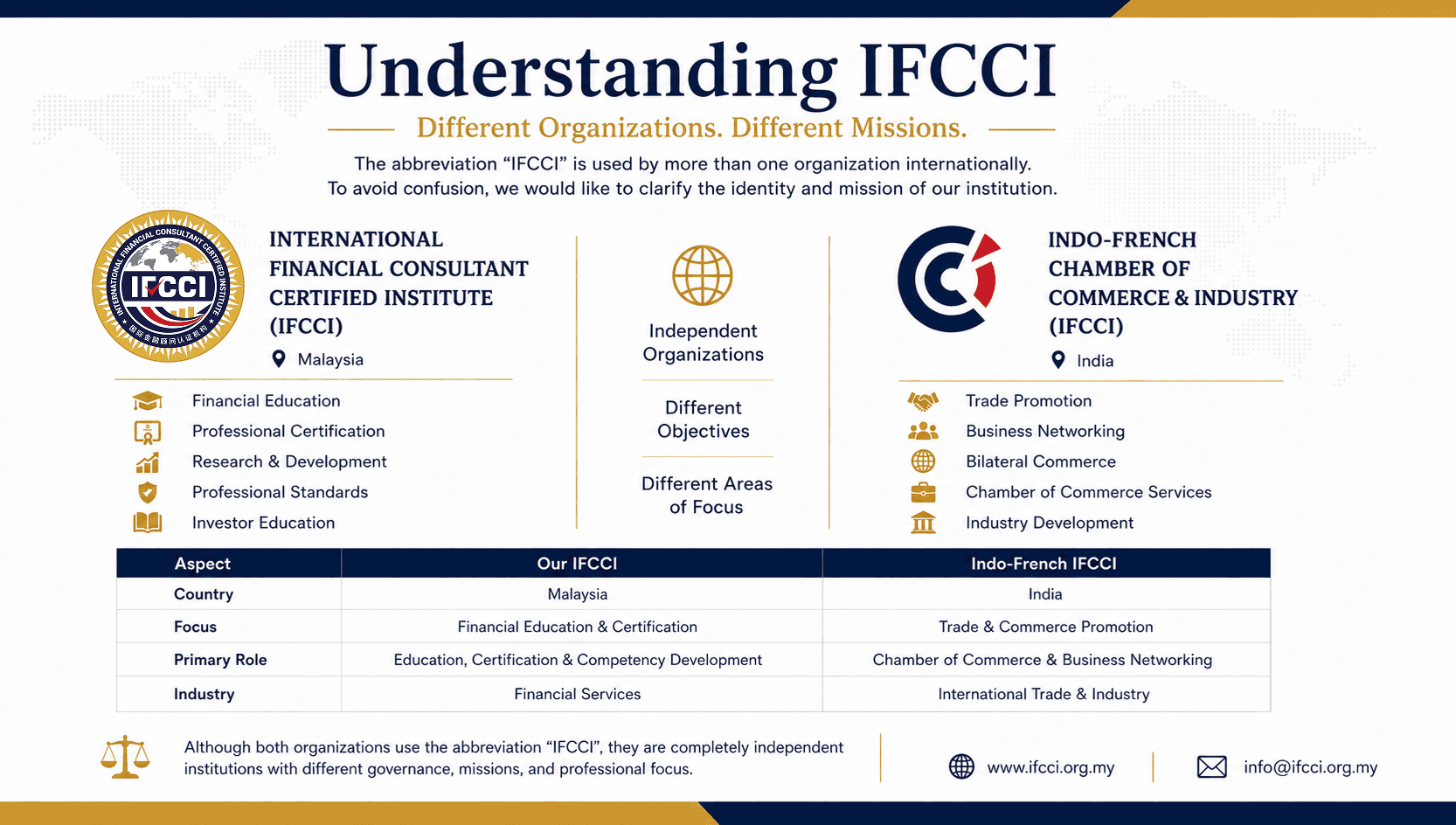
Understanding IFCCI: International Financial Consultant Certified Institute and Other Organizations Using the IFCCI Acronym
27 Jul 2026
Why International Financial Skills Championships Matter in Developing Global Financial Excellence
13 Jul 2026