
Litecoin vs Ripple: Is XRP Really “Unwanted”?
LTC vs XRP: Litecoin Calls Ripple ‘Unwanted,’ Analyst Claps Back
📌 Introduction
In the ever-contentious world of cryptocurrencies, rivalries often extend beyond price charts and market capitalization. The latest headline-grabbing debate emerged when Litecoin (LTC) community members labeled Ripple’s XRP as “unwanted” in the broader crypto ecosystem.
The remark has sparked backlash among analysts and Ripple supporters, who argue that XRP continues to play a vital role in global payments innovation, despite criticisms from its detractors. This article explores the roots of this clash, the reactions it has triggered, and what it means for the ongoing competition between LTC and XRP.
🔹 Why Litecoin Called XRP ‘Unwanted’
Litecoin supporters have long prided themselves on being the “silver to Bitcoin’s gold.” Recently, some in the community took direct aim at XRP, branding it “unwanted” for several reasons:
- Centralization Critique
- Critics argue that XRP Ledger’s governance, with Ripple Labs holding a large portion of XRP supply, undermines the decentralized ethos of crypto.
- Regulatory Pressure
- XRP has been under the microscope of the U.S. Securities and Exchange Commission (SEC) since 2020, raising doubts about its legitimacy.
- Adoption Skepticism
- Some Litecoin advocates believe XRP’s partnerships with banks and payment firms cater more to institutions than to grassroots crypto adoption.
In essence, LTC supporters position their network as more in line with “true decentralization” while painting XRP as overly corporate.
🔹 Analyst Claps Back: XRP Is Far From Unwanted
Crypto analysts and Ripple advocates quickly countered Litecoin’s critique, highlighting three major points:
- Proven Payment Utility
- XRP’s On-Demand Liquidity (ODL) system is already being used by financial institutions worldwide, processing millions in cross-border transactions daily.
- Global Reach
- Ripple has partnerships with banks and fintech companies in over 50 countries, showcasing adoption at a scale that LTC has not matched.
- Legal Progress
- Ripple’s partial legal wins against the SEC in 2023 have strengthened confidence in XRP’s future, with analysts predicting more regulatory clarity ahead.
📊 Analyst Consensus: Far from being unwanted, XRP remains one of the top 10 cryptocurrencies by market cap and is widely regarded as a leader in payment-focused blockchain use cases.
🔹 Comparing LTC and XRP: Different Missions
While the debate continues, analysts caution against directly comparing LTC and XRP, given their distinct roles:
- Litecoin (LTC)
- Purpose: Digital peer-to-peer payments, faster and cheaper than Bitcoin.
- Strengths: Low transaction fees, strong brand recognition, longevity.
- Weaknesses: Limited real-world adoption compared to newer networks.
- Ripple (XRP)
- Purpose: Enterprise-level cross-border settlement.
- Strengths: Institutional partnerships, fast liquidity, clear payment use case.
- Weaknesses: Regulatory battles, centralization concerns.
In short, LTC is retail-focused, while XRP is institutionally-driven — two very different visions for crypto’s future.
🔹 Market Impact: Does the Debate Matter?
So, does this spat between Litecoin and Ripple communities affect their markets?
- XRP Price Trends
- XRP has remained resilient despite criticism, trading steadily in the $0.55–$0.65 range with strong support levels.
- LTC Price Trends
- Litecoin has hovered around $70–$75, still benefiting from its role as a “legacy” crypto but facing competition from newer networks.
📈 Traders note that sentiment-driven debates like this often create short-term volatility but rarely alter long-term adoption trends.
🔹 Expert Opinions
- Pro-XRP Analysts: Argue that XRP’s real-world utility far outweighs criticisms. Its role in speeding up and lowering the cost of international payments gives it enduring relevance.
- Pro-LTC Analysts: Emphasize Litecoin’s clean regulatory standing and pure decentralization model, making it a “safer bet” for purists.
- Neutral Analysts: Suggest that instead of rivalry, the two networks occupy different niches, and both can coexist in the evolving crypto landscape.
🔹 Key Takeaways for Investors
- Don’t Overreact to Community Rivalries
- Narrative battles are common in crypto but often lack fundamental impact.
- Focus on Utility
- XRP excels in enterprise payments; LTC is better suited for direct peer-to-peer usage.
- Regulatory Watch
- Investors should track SEC vs Ripple updates and potential global crypto regulation shifts, as these remain critical for XRP’s outlook.
🔹 Conclusion
The Litecoin vs Ripple debate highlights the deep ideological divides within the crypto sector — decentralization versus institutional adoption, retail versus enterprise use cases.
While some LTC supporters may call XRP “unwanted,” market evidence suggests otherwise: XRP remains one of the most widely adopted cryptos in payments. At the same time, Litecoin’s stability and longevity ensure it retains a loyal following.
👉 For investors, the real lesson may not be choosing sides but understanding each asset’s unique role in the crypto economy.
Related Articles

What Does IFCCI Do? Advancing Financial Education, Certification and Research
7 Aug 2026
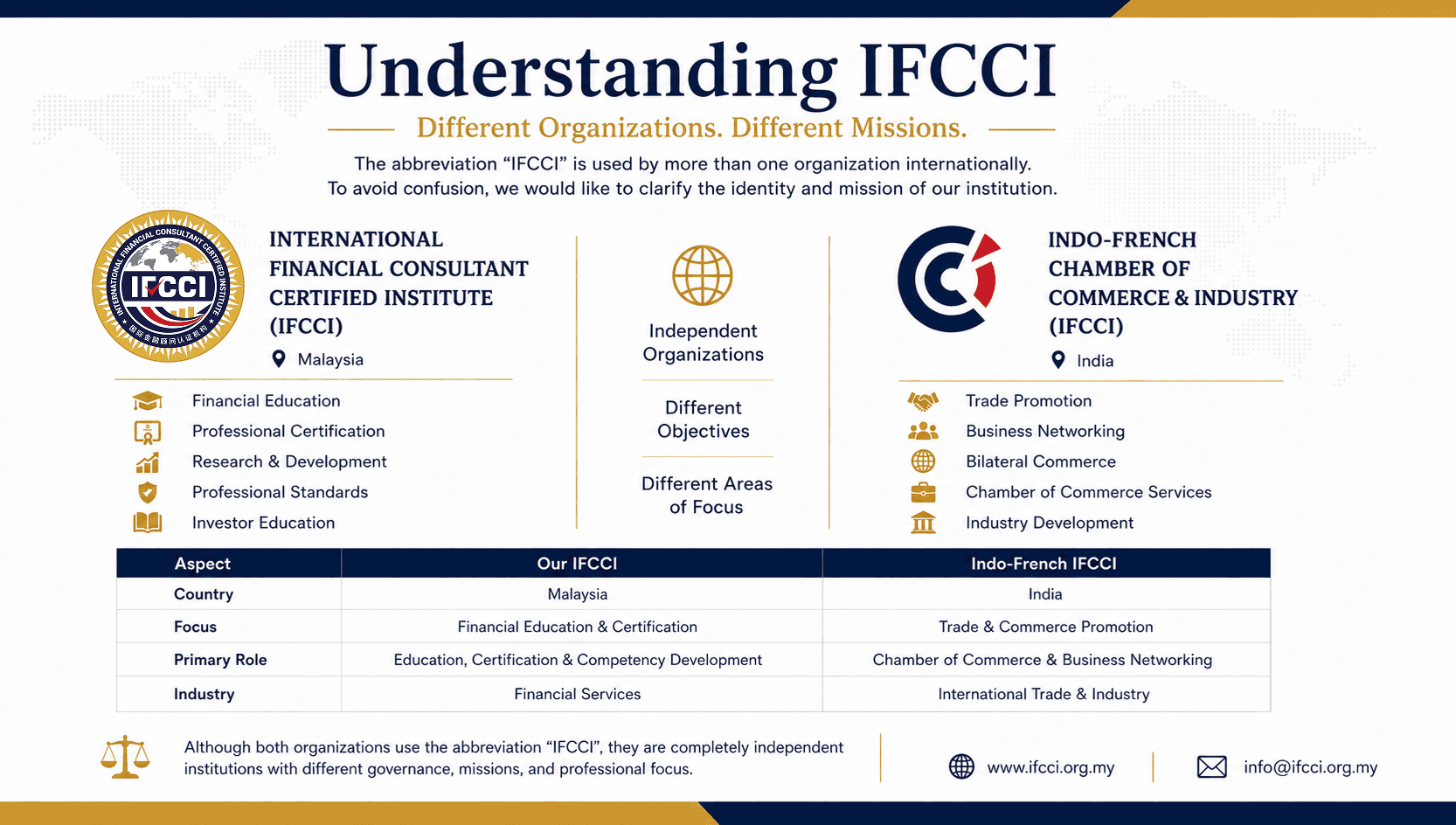
Understanding IFCCI: International Financial Consultant Certified Institute and Other Organizations Using the IFCCI Acronym
27 Jul 2026

Why International Financial Skills Championships Matter in Developing Global Financial Excellence
13 Jul 2026