
Li Ka-shing Explores Revised Ownership Model
Li Ka-shing Mulls New Ownership Structure to Complete Ports Deal
Hong Kong billionaire Li Ka-shing is considering a revised ownership structure to facilitate the completion of a long-anticipated ports-related transaction, amid regulatory, geopolitical and financing considerations that have complicated the deal’s finalisation, according to market sources.
The potential restructuring underscores the growing complexity surrounding strategic infrastructure assets, particularly ports, which are increasingly viewed through the lens of national security, trade resilience and geopolitical alignment.
Structural rethink to address regulatory sensitivities
Sources familiar with the matter said the proposed ownership adjustments could be aimed at addressing regulatory and political sensitivities across multiple jurisdictions. Ports, as critical trade infrastructure, have come under heightened scrutiny globally, with regulators paying closer attention to ownership transparency and control.
A revised structure may involve changes in shareholding distribution, governance arrangements or the introduction of strategic partners to mitigate approval risks and align with regulatory expectations.
Geopolitical backdrop adds complexity
The ports sector has become increasingly entangled in geopolitical considerations, particularly amid ongoing US-China tensions and broader concerns over supply chain security. Analysts noted that transactions involving strategic logistics assets now face longer approval timelines and higher execution risk.
“Ports are no longer viewed as purely commercial assets. Ownership, control and influence matter more than ever,” an infrastructure analyst said.
Financing and valuation considerations
Beyond regulatory issues, financing conditions have also influenced deal structuring. Higher global interest rates and tighter credit conditions have prompted dealmakers to reassess leverage levels and capital structures, potentially favouring more flexible ownership models.
Market observers added that valuation expectations may also need recalibration, especially as infrastructure assets face rising operating costs and increased compliance requirements.
Implications for the ports sector
If completed, the transaction could serve as a reference point for future infrastructure deals involving cross-border assets. Analysts believe it may encourage other asset owners to adopt more adaptive ownership frameworks to navigate regulatory and geopolitical hurdles.
For Li Ka-shing’s business empire, the move would reflect a pragmatic approach to deal-making in an environment where traditional transaction structures are no longer guaranteed to succeed.
What comes next
Market participants will be watching closely for official announcements or disclosures that clarify the proposed structure and timeline. Until then, uncertainty surrounding the deal is expected to persist, with progress contingent on regulatory engagement and stakeholder alignment.
Related Articles

What Does IFCCI Do? Advancing Financial Education, Certification and Research
7 Aug 2026
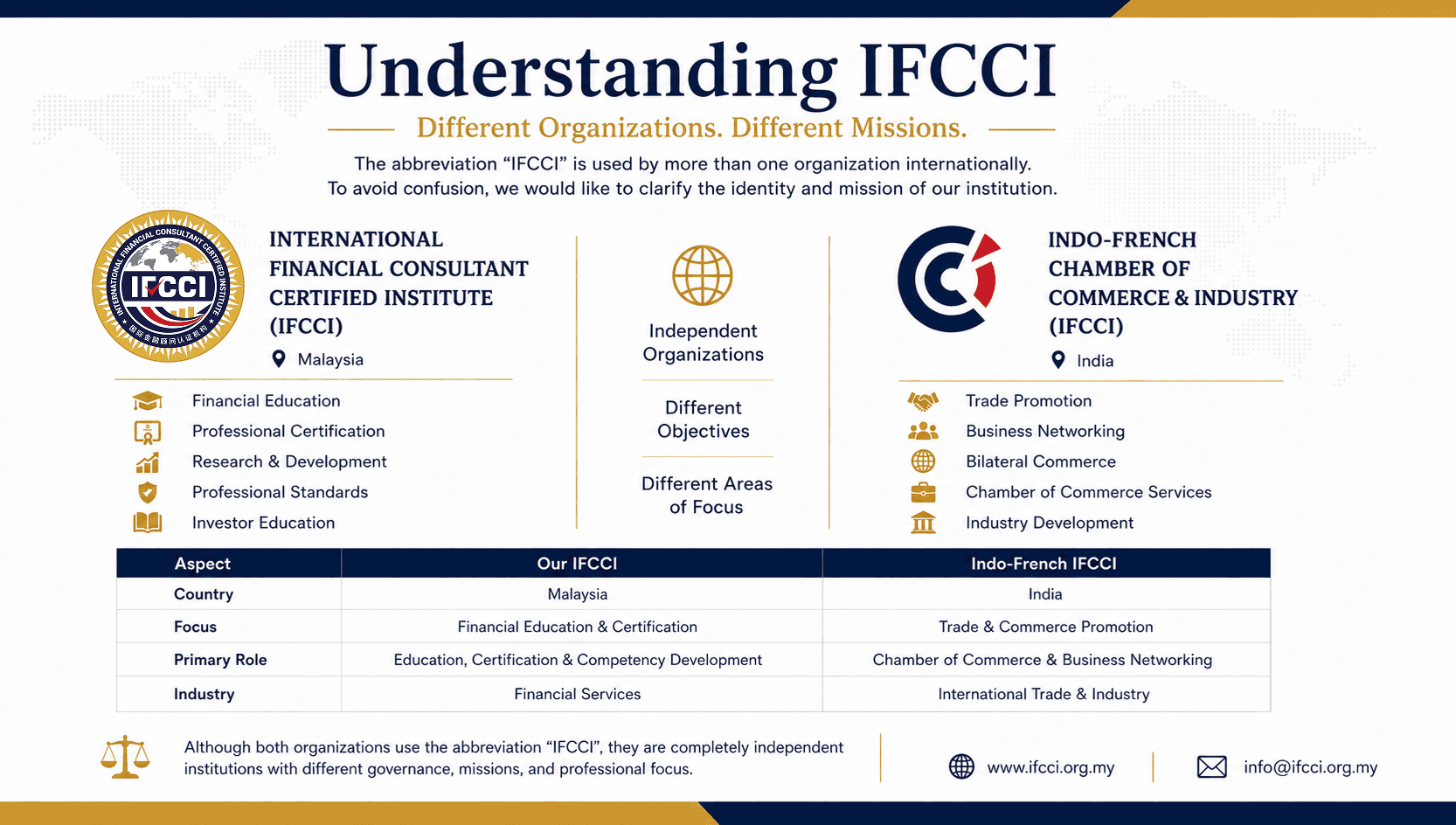
Understanding IFCCI: International Financial Consultant Certified Institute and Other Organizations Using the IFCCI Acronym
27 Jul 2026
Why International Financial Skills Championships Matter in Developing Global Financial Excellence
13 Jul 2026