
Australia’s July 2025 Labour Force Report: Key Insights and Market Impact
Introduction
The Australian Bureau of Statistics (ABS) has released its Labour Force data for July 2025, providing a fresh snapshot of employment trends, job creation, and workforce participation.
This report is a crucial indicator for policymakers, economists, and investors, as it reflects the health of Australia’s job market amid global economic uncertainty, inflationary pressures, and evolving monetary policy by the Reserve Bank of Australia (RBA).
Headline Figures
Based on the ABS release, the July 2025 report highlights:
- Unemployment rate: 3.9% (up from 3.8% in June)
- Participation rate: 66.9% (steady)
- Employment change: +32,000 jobs (net increase)
- Full-time employment: +25,000
- Part-time employment: +7,000
While job creation remains positive, the slight uptick in the unemployment rate suggests a cooling but resilient labour market.
Sectoral Breakdown
- Strong Performers
- Healthcare & Social Assistance: Continued strong demand, adding 12,000 jobs
- Construction: Benefiting from government infrastructure projects, +8,000 jobs
- Education & Training: Seasonal hiring ahead of the new school term
- Weak Spots
- Retail Trade: Lost 4,000 jobs amid consumer spending slowdown
- Manufacturing: Down 2,500 jobs due to weaker export demand
State-by-State Performance
- New South Wales: Unemployment steady at 3.7%
- Victoria: Slight rise to 4.1%
- Queensland: Job gains in mining offset by losses in tourism
- Western Australia: Strongest job growth, boosted by resource exports
Labour Force Participation
The participation rate remained at 66.9%, close to historical highs, indicating that Australians remain engaged in the job market despite global headwinds.
A steady participation rate combined with rising employment suggests labour supply growth is being met with new job creation — a positive sign for the economy.
Wage Pressures and Inflation Links
The RBA’s monetary policy decisions are closely tied to wage growth trends.
- Wage Price Index: 3.6% YoY
- Persistent wage growth above 3% could keep inflationary pressures elevated, influencing the timing of any future interest rate cuts.
RBA Policy Implications
The RBA has maintained its cash rate at 4.35% in recent meetings, citing the need for sustained evidence of inflation returning to target.
July’s labour force data provides a mixed signal:
- Positive: Job growth remains solid
- Cautionary: Unemployment creeping up could indicate early signs of a slowdown
If unemployment continues to rise in August and September, the RBA may consider policy easing in Q4 2025.
Market Reaction
Following the release:
- AUD/USD initially dipped 0.3% to 0.6620, as traders bet on a more dovish RBA stance
- ASX 200 gained modestly, led by interest rate-sensitive sectors like real estate and consumer discretionary
- Bond yields fell slightly on expectations of a slower tightening cycle
Comparison with Global Trends
Australia’s 3.9% unemployment rate remains below most OECD countries:
- US: 4.1%
- UK: 4.4%
- Eurozone: 6.1%
This positions Australia as having one of the tightest labour markets among advanced economies.
Outlook for the Rest of 2025
Key factors to watch:
- Household Consumption – Could weaken if inflation stays elevated
- Business Investment – May slow if global demand falters
- Migration Flows – High net migration could boost labour supply, moderating wage pressures
Most economists expect unemployment to gradually rise toward 4.2% by year-end, aligning with a soft landing scenario.
Conclusion
Australia’s July 2025 labour force report paints a picture of a still-robust job market, but one that’s beginning to show early signs of cooling.
For policymakers, the challenge will be to support economic growth without reigniting inflation — a balancing act that will define the RBA’s strategy for the remainder of the year.
Related Articles

What Does IFCCI Do? Advancing Financial Education, Certification and Research
7 Aug 2026
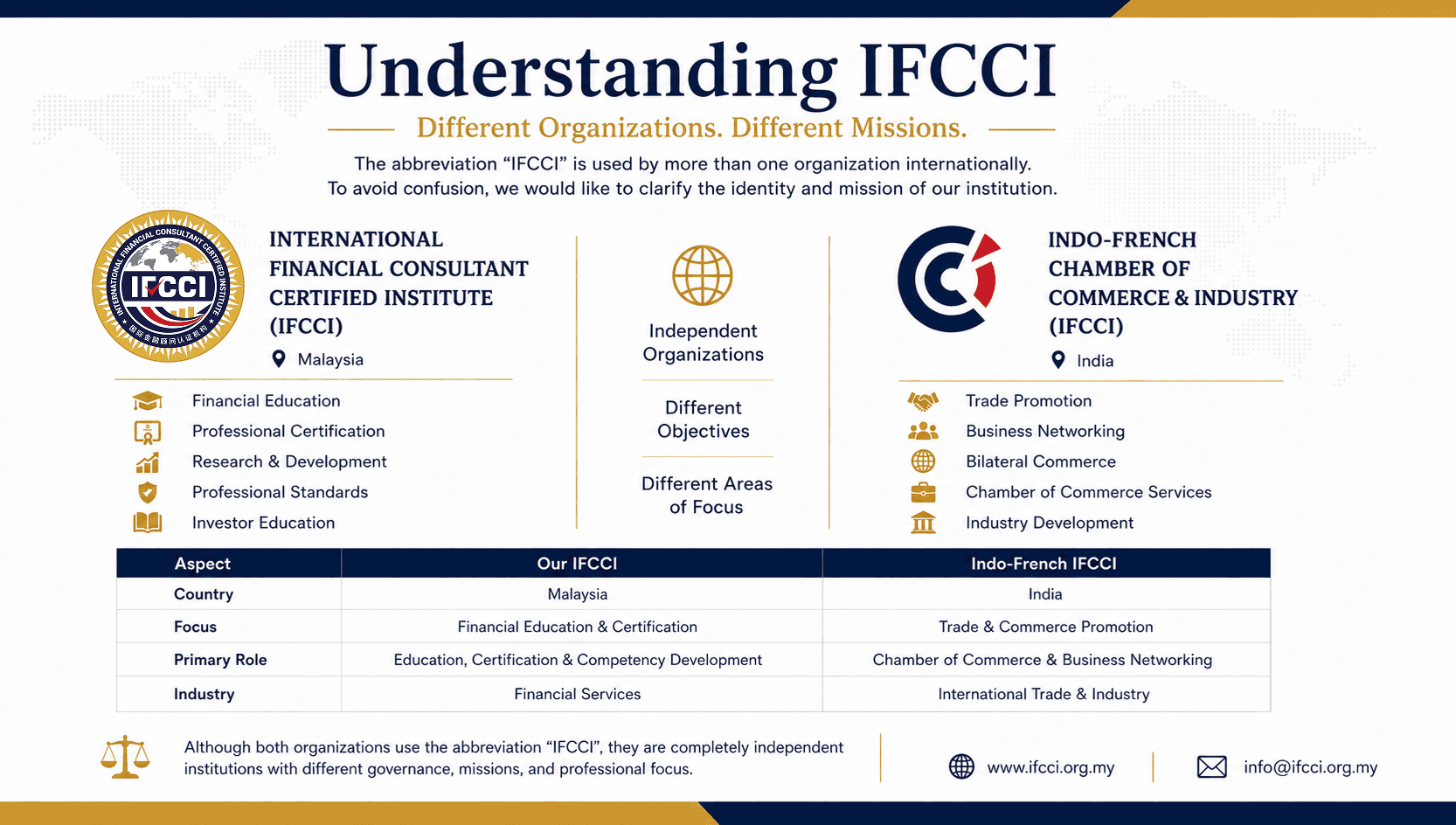
Understanding IFCCI: International Financial Consultant Certified Institute and Other Organizations Using the IFCCI Acronym
27 Jul 2026

Why International Financial Skills Championships Matter in Developing Global Financial Excellence
13 Jul 2026