
Johor Man Falls Victim to RM1.7 Million Investment Fraud
Man in Johor Loses RM1.7mil to Investment Scam
Introduction
In yet another alarming case of financial fraud in Malaysia, a man from Johor has lost RM1.7 million to a sophisticated investment scam.
Authorities say the victim was lured into what appeared to be a legitimate, high-return investment program—only to discover later that it was a well-orchestrated scheme designed to drain his savings.
The incident underscores a growing trend in Malaysia: scammers are refining their tactics, targeting not only the elderly or inexperienced investors, but also financially savvy individuals.
The Timeline of the Scam
1. The Initial Contact
The victim, a 45-year-old businessman from Johor Bahru, reportedly came across an online advertisement promoting a cryptocurrency and foreign exchange investment platform. The ad featured convincing fake endorsements from Malaysian financial figures and links to professional-looking websites.
2. Building Trust
Over several weeks, the victim was contacted by an “investment advisor” who provided:
- Access to a professional-looking dashboard showing fake profits.
- Regular “market updates” with fabricated data.
- Encouragement to increase his stake for “VIP access” to higher returns.
3. The Transfers
Between April and June 2025, the victim made multiple bank transfers totaling RM1.7 million into several accounts allegedly belonging to the “brokerage’s international partners.”
In reality, these accounts were mule accounts controlled by the scam syndicate.
4. The Collapse
When the victim tried to withdraw his profits, the platform demanded:
- “Processing fees”
- “Tax clearances”
- Additional deposits to unlock funds
Sensing something was wrong, the victim contacted his bank and the police—by then, the money was already dispersed through multiple accounts, including overseas transfers.
How the Scam Was Structured
The operation bore hallmarks of cross-border scam syndicates, often operating from multiple countries to avoid detection:
- Social Media Ads — Paid promotions on Facebook, Instagram, and even LinkedIn.
- Phishing Websites — Domains mimicking licensed investment firms.
- Layered Money Laundering — Funds quickly moved through various bank accounts, including cryptocurrency wallets.
Rising Trend of Investment Scams in Malaysia
According to Royal Malaysia Police statistics:
- Over RM1.3 billion was lost to scams in 2024 alone.
- Investment scams accounted for 38% of total fraud cases.
- Victims ranged from young professionals to retirees.
This particular case in Johor is part of a larger pattern where scammers combine:
- Psychological manipulation (fear of missing out, urgency)
- Fake authority (posing as licensed advisors)
- Tech sophistication (fake dashboards, deepfake videos)
Legal and Regulatory Response
Malaysia’s Securities Commission (SC) has repeatedly warned investors to verify:
- Whether the investment company is registered with the SC.
- Whether the investment is listed on the SC’s Investor Alert List.
The Anti-Money Laundering Act (AMLA) allows banks to freeze suspicious accounts, but rapid fund movement often makes recovery difficult.
Warning Signs to Watch Out For
- Unrealistic Returns — Promises of guaranteed profits of 10%+ monthly.
- Unlicensed Operators — No listing in SC or Bank Negara Malaysia’s approved institutions list.
- Pressure to “Act Fast” — Limited-time offers or threats of losing a deal.
- Requests for Additional Payments — Taxes, processing fees, or unlocking charges.
Expert Recommendations for Investors
- Due Diligence First — Verify licenses and read independent reviews before investing.
- Don’t Trust Screenshots — Scam dashboards are easy to fake.
- Use Escrow or Licensed Brokers — Never transfer directly to personal accounts.
- Educate Your Network — Many victims are referred by friends unknowingly caught in the scam.
Financial Safety Net: What IFCCI Recommends
For financial consultants and corporate treasuries:
- Implement investment verification protocols before committing funds.
- Maintain fraud awareness training for staff and clients.
- Establish emergency response plans for suspected fraud cases.
Conclusion
The RM1.7 million loss suffered by the Johor victim is more than just a personal tragedy—it’s a reminder of the sophisticated and relentless nature of modern investment scams.
In an era where online opportunities abound, vigilance is the only true safeguard.
For Malaysians and global investors alike, the lesson is clear: If it sounds too good to be true, it probably is.
Related Articles

What Does IFCCI Do? Advancing Financial Education, Certification and Research
7 Aug 2026
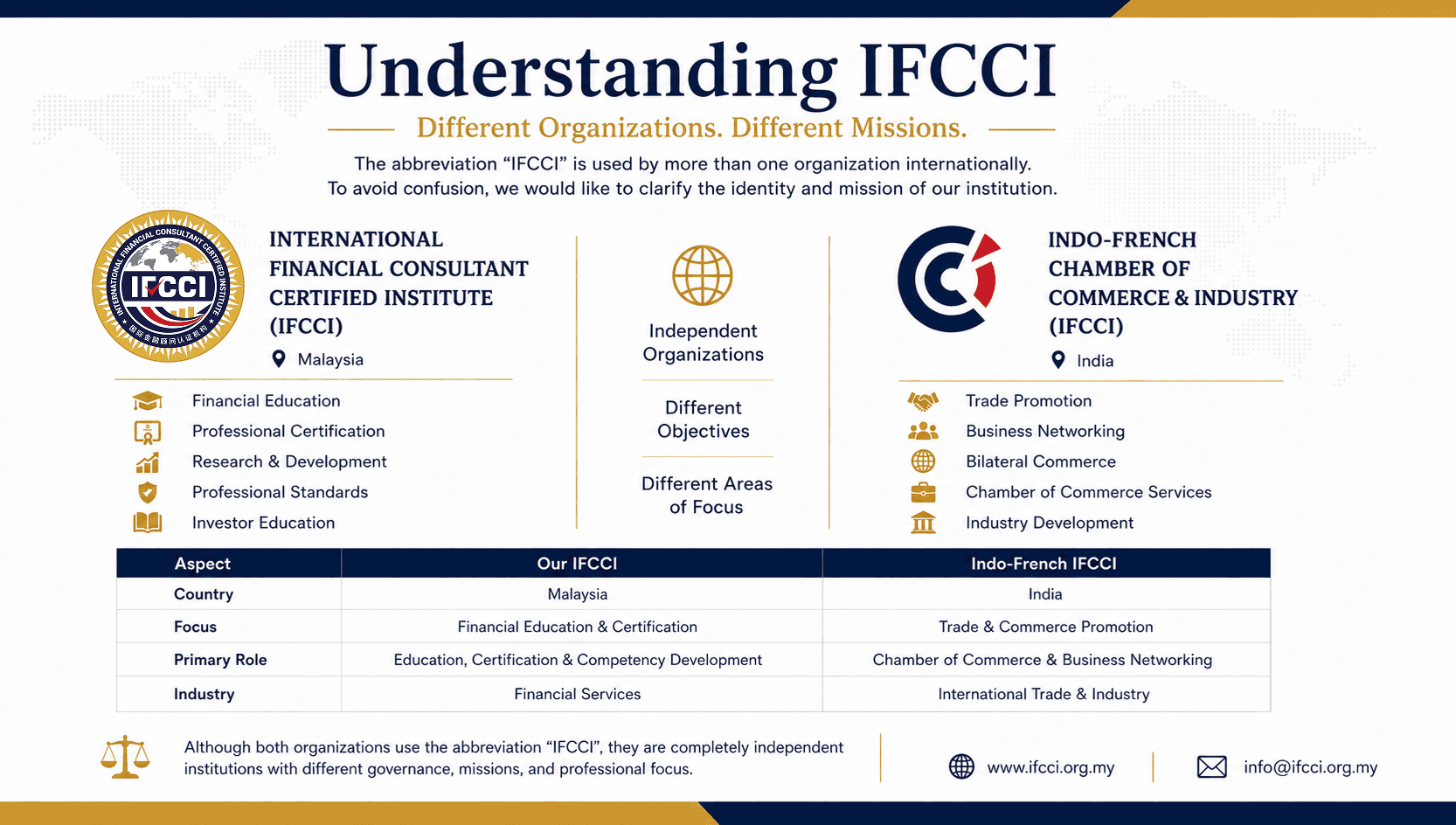
Understanding IFCCI: International Financial Consultant Certified Institute and Other Organizations Using the IFCCI Acronym
27 Jul 2026

Why International Financial Skills Championships Matter in Developing Global Financial Excellence
13 Jul 2026